

Give the Gift of Choice!
Too many options? Treat your friends and family to their favourite stores with a Bayshore Shopping Centre gift card, redeemable at participating retailers throughout the centre. Click below to purchase yours today!Purchase HereHome
Essays on Key Issues of Development Nepal: Macroeconomic Perspectives from an LDC Graduating Landlocked Country
Coles
Loading Inventory...

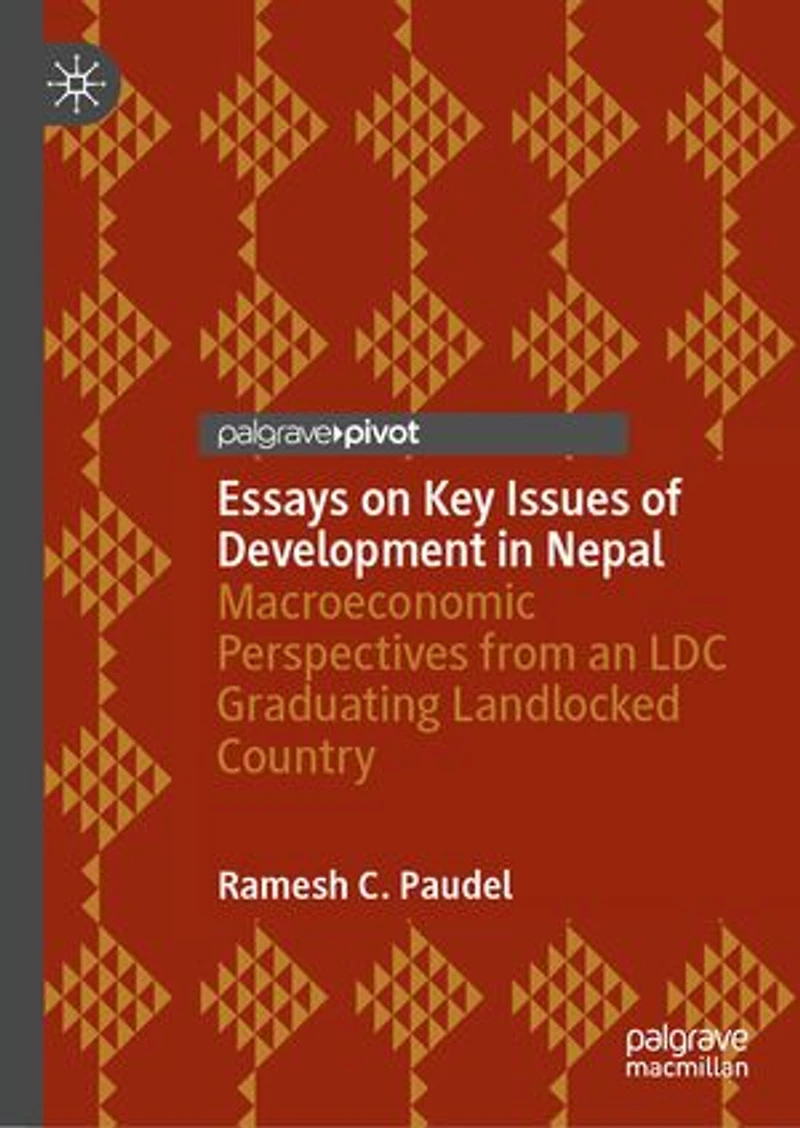
Essays on Key Issues of Development Nepal: Macroeconomic Perspectives from an LDC Graduating Landlocked Country in Ottawa, ON
Current price: $65.95

Essays on Key Issues of Development Nepal: Macroeconomic Perspectives from an LDC Graduating Landlocked Country in Ottawa, ON
Current price: $65.95
Loading Inventory...
Size: Hardcover
*Product information may vary - to confirm product availability, pricing, shipping and return information please contact Coles
This Palgrave Pivot concentrates on the development economics of Nepal, an LDC graduating landlocked country, from a macroeconomic perspective across eight chapters. Six of these chapters are interconnected contextually and serve as comprehensive research articles employing various quantitative techniques. Chapter One introduces Nepal and defines the scope of the publication. Next, an overview of the macroeconomic sector is provided, suggesting potential developmental trajectories for Nepal. Chapters Two through Seven systematically explore pivotal economic issues, including the nexus of remittances, bank credit to the private sector, trade deficits, governance quality and export performance in the context of the COVID-19 pandemic, the interaction between the agricultural and manufacturing sectors for economic growth, revenue efficiency, the interrelation of democracy, governance quality, and economic growth, as well as export efficiency from a fiscal policy perspective. The concluding chapter synthesizes the findings and offers policy recommendations derived from the analyses.
This Palgrave Pivot concentrates on the development economics of Nepal, an LDC graduating landlocked country, from a macroeconomic perspective across eight chapters. Six of these chapters are interconnected contextually and serve as comprehensive research articles employing various quantitative techniques. Chapter One introduces Nepal and defines the scope of the publication. Next, an overview of the macroeconomic sector is provided, suggesting potential developmental trajectories for Nepal. Chapters Two through Seven systematically explore pivotal economic issues, including the nexus of remittances, bank credit to the private sector, trade deficits, governance quality and export performance in the context of the COVID-19 pandemic, the interaction between the agricultural and manufacturing sectors for economic growth, revenue efficiency, the interrelation of democracy, governance quality, and economic growth, as well as export efficiency from a fiscal policy perspective. The concluding chapter synthesizes the findings and offers policy recommendations derived from the analyses.
You May Also Like












More About Coles at Bayshore Shopping Centre
Coles is renowned for its outstanding customer service and great selection of books. Along with the vast array of magazines, stationary, audio-books, children's literature, fiction, non-fiction and reference books, you can find accessories to make your reading experience more pleasurable. We can recommend the very best in reading today. We will help you search our titles for exactly what you need, and if we do not have it in stock, we will order it for you.
100 Bayshore Dr, Nepean, ON K2B 8C1, Canada
Find Coles at Bayshore Shopping Centre in Ottawa, ON
Visit Coles at Bayshore Shopping Centre in Ottawa, ON