

Give the Gift of Choice!
Too many options? Treat your friends and family to their favourite stores with a Bayshore Shopping Centre gift card, redeemable at participating retailers throughout the centre. Click below to purchase yours today!Purchase HereHome
Estimating Illicit Financial Flows: A Critical Guide To The Data, Methodologies, And Findings
Coles
Loading Inventory...
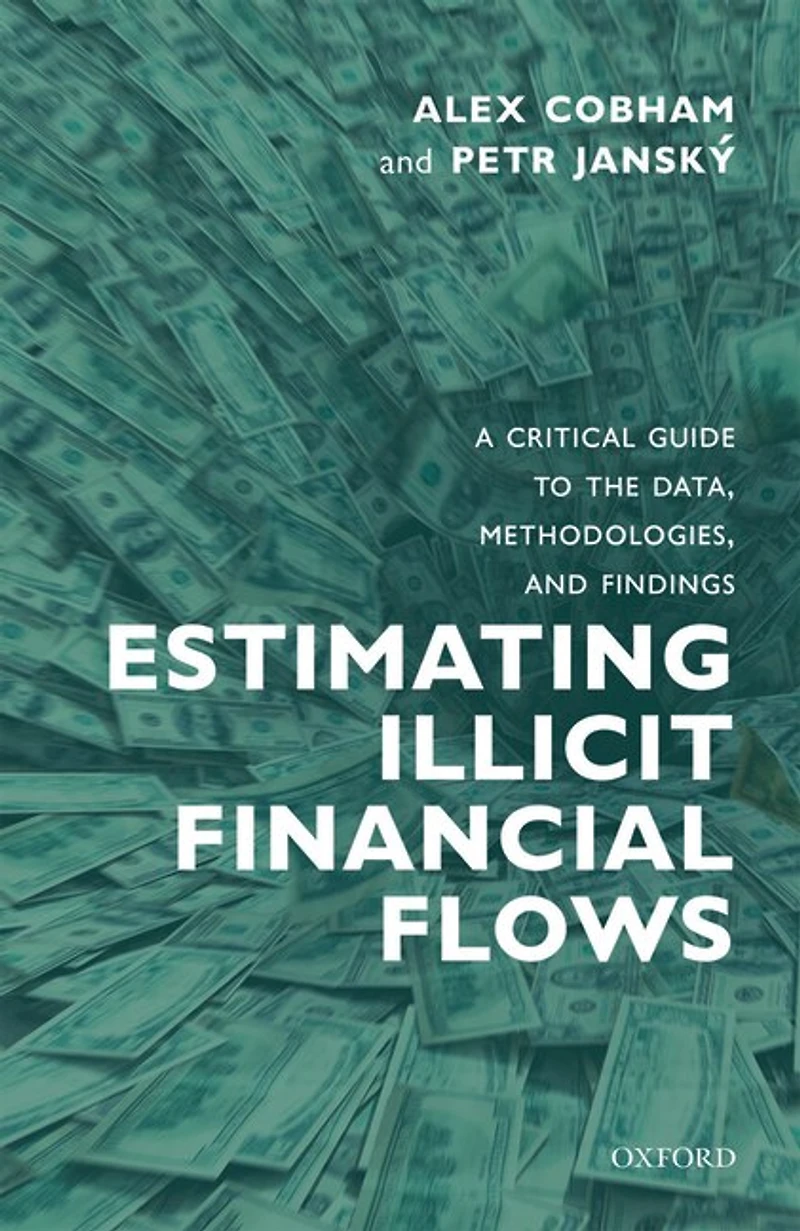
Estimating Illicit Financial Flows: A Critical Guide To The Data, Methodologies, And Findings in Ottawa, ON
Current price: $44.00

Estimating Illicit Financial Flows: A Critical Guide To The Data, Methodologies, And Findings in Ottawa, ON
Current price: $44.00
Loading Inventory...
Size: Hardcover
*Product information may vary - to confirm product availability, pricing, shipping and return information please contact Coles
Illicit financial flows constitute a global phenomenon of massive but uncertain scale, which erodes government revenues and drives corruption in countries rich and poor. In 2015, the countries of the world committed to a target to reduce illicit flows, as part of the UN Sustainable Development Goals. But five years later, there is still no agreement on how that target should be monitored or how it will be achieved.
Illicit financial flows occur through many different channels, whether they involve laundering the proceeds of crime or shifting profits of multinational companies. These deliberately hidden cross-border movements of assets and income streams depend on a set of common tools including opaque company accounts, legal vehicles for anonymous ownership, and the secrecy jurisdictions that provide these series. The overall effect is to reduce the revenue available to states and to weaken the quality of governance - leading to less money to support human development, and a lower likelihood of funds being well spent.
Estimating Illicit Financial Flows: A Critical Guide to the Data, Methodologies, and Findings is authored by two of the economists most closely involved in the process to develop UN indicators of illicit financial flows. In it, they offer a critical survey of the existing data and methodologies, identifying the most promising avenues for future improvement and setting out their own proposals. They cover a range of corrupt practices aimed at obtaining immunity or impunity from criminal law, from market regulation, and from taxation.
Illicit financial flows constitute a global phenomenon of massive but uncertain scale, which erodes government revenues and drives corruption in countries rich and poor. In 2015, the countries of the world committed to a target to reduce illicit flows, as part of the UN Sustainable Development Goals. But five years later, there is still no agreement on how that target should be monitored or how it will be achieved.
Illicit financial flows occur through many different channels, whether they involve laundering the proceeds of crime or shifting profits of multinational companies. These deliberately hidden cross-border movements of assets and income streams depend on a set of common tools including opaque company accounts, legal vehicles for anonymous ownership, and the secrecy jurisdictions that provide these series. The overall effect is to reduce the revenue available to states and to weaken the quality of governance - leading to less money to support human development, and a lower likelihood of funds being well spent.
Estimating Illicit Financial Flows: A Critical Guide to the Data, Methodologies, and Findings is authored by two of the economists most closely involved in the process to develop UN indicators of illicit financial flows. In it, they offer a critical survey of the existing data and methodologies, identifying the most promising avenues for future improvement and setting out their own proposals. They cover a range of corrupt practices aimed at obtaining immunity or impunity from criminal law, from market regulation, and from taxation.
You May Also Like










More About Coles at Bayshore Shopping Centre
Coles is renowned for its outstanding customer service and great selection of books. Along with the vast array of magazines, stationary, audio-books, children's literature, fiction, non-fiction and reference books, you can find accessories to make your reading experience more pleasurable. We can recommend the very best in reading today. We will help you search our titles for exactly what you need, and if we do not have it in stock, we will order it for you.
100 Bayshore Dr, Nepean, ON K2B 8C1, Canada
Find Coles at Bayshore Shopping Centre in Ottawa, ON
Visit Coles at Bayshore Shopping Centre in Ottawa, ON