

Give the Gift of Choice!
Too many options? Treat your friends and family to their favourite stores with a Bayshore Shopping Centre gift card, redeemable at participating retailers throughout the centre. Click below to purchase yours today!Purchase HereHome
Ethics as Grammar: Changing the Postmodern Subject
Coles
Loading Inventory...
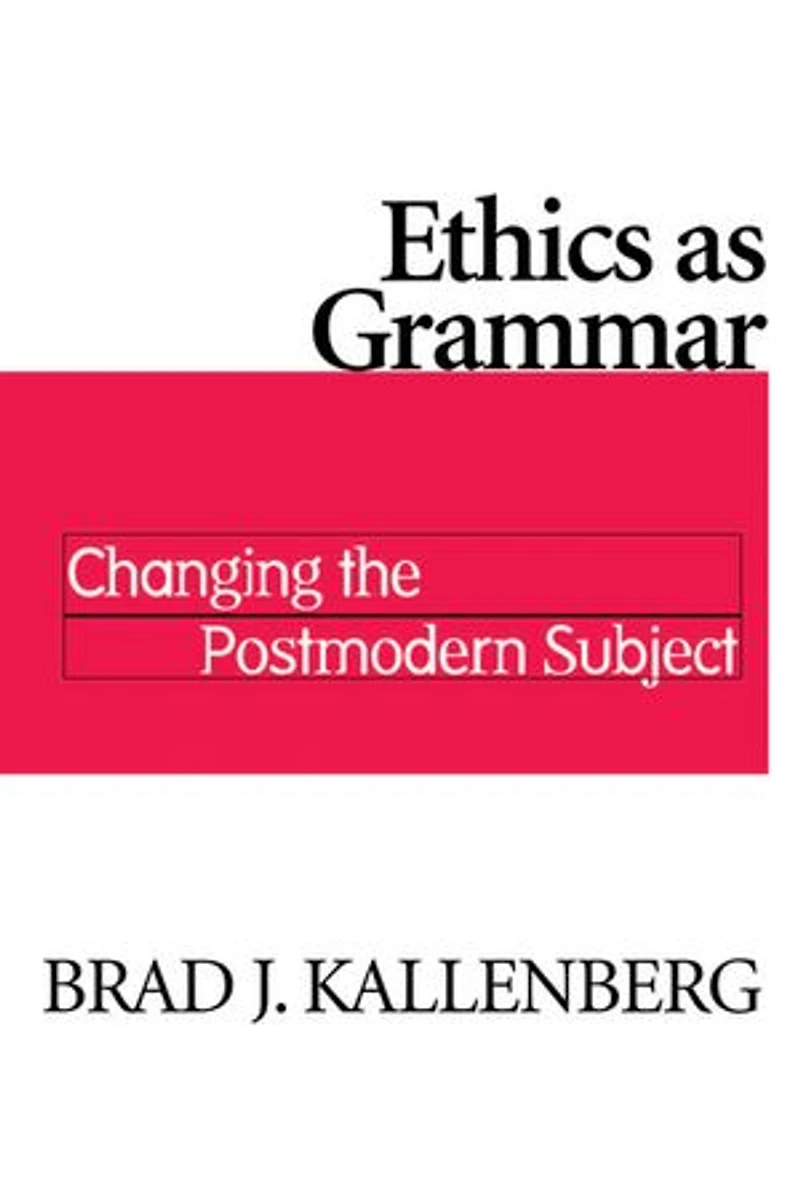
Ethics as Grammar: Changing the Postmodern Subject in Ottawa, ON
Current price: $30.39
Original price: $37.99

Ethics as Grammar: Changing the Postmodern Subject in Ottawa, ON
Current price: $30.39
Original price: $37.99
Loading Inventory...
Size: Kobo eBook
*Product information may vary - to confirm product availability, pricing, shipping and return information please contact Coles
Wittgenstein, one of the most influential, and yet widely misunderstood, philosophers of our age, confronted his readers with aporias—linguistic puzzles—as a means of countering modern philosophical confusions over the nature of language without replicating the same confusions in his own writings. In Ethics as Grammar , Brad Kallenberg uses the writings of theological ethicist Stanley Hauerwas as a foil for demonstrating how Wittgenstein’s method can become concrete within the Christian tradition. Kallenberg shows that the aesthetic, political, and grammatical strands epitomizing Hauerwas’s thought are the result of his learning to do Christian ethics by thinking through Wittgenstein. Kallenberg argues that Wittgenstein’s pedagogical strategy cultivates certain skills of judgment in his readers by making them struggle to move past the aporias and acquire the fluency of language’s deeper grammar. Theologians, says Kallenberg, are well suited to this task of "going on" because the gift of Christianity supplies them with the requisite resources for reading Wittgenstein. Kallenberg uses Hauerwas to make this case—showing that Wittgenstein’s aporetic philosophy has engaged Hauerwas in a lifelong conversation that has cured him of many philosophical confusions. Yet, because Hauerwas comes to the conversation as a Christian believer, he is able to surmount Wittgenstein’s aporias with the assistance of theological convictions that he possesses through grace. Ethics as Grammar reveals that Wittgenstein’s intention to cultivate concrete skill in real people was akin to Aristotle’s emphasis on the close relationship of practical reason and ethics. In this thought-provoking book, Kallenberg demonstrates that Wittgenstein does more than simply offer a vantage point for reassessing Aristotle, he paves the way for ethics to become a distinctively Christian discipline, as exemplified by Stanley Hauerwas.
Wittgenstein, one of the most influential, and yet widely misunderstood, philosophers of our age, confronted his readers with aporias—linguistic puzzles—as a means of countering modern philosophical confusions over the nature of language without replicating the same confusions in his own writings. In Ethics as Grammar , Brad Kallenberg uses the writings of theological ethicist Stanley Hauerwas as a foil for demonstrating how Wittgenstein’s method can become concrete within the Christian tradition. Kallenberg shows that the aesthetic, political, and grammatical strands epitomizing Hauerwas’s thought are the result of his learning to do Christian ethics by thinking through Wittgenstein. Kallenberg argues that Wittgenstein’s pedagogical strategy cultivates certain skills of judgment in his readers by making them struggle to move past the aporias and acquire the fluency of language’s deeper grammar. Theologians, says Kallenberg, are well suited to this task of "going on" because the gift of Christianity supplies them with the requisite resources for reading Wittgenstein. Kallenberg uses Hauerwas to make this case—showing that Wittgenstein’s aporetic philosophy has engaged Hauerwas in a lifelong conversation that has cured him of many philosophical confusions. Yet, because Hauerwas comes to the conversation as a Christian believer, he is able to surmount Wittgenstein’s aporias with the assistance of theological convictions that he possesses through grace. Ethics as Grammar reveals that Wittgenstein’s intention to cultivate concrete skill in real people was akin to Aristotle’s emphasis on the close relationship of practical reason and ethics. In this thought-provoking book, Kallenberg demonstrates that Wittgenstein does more than simply offer a vantage point for reassessing Aristotle, he paves the way for ethics to become a distinctively Christian discipline, as exemplified by Stanley Hauerwas.
You May Also Like












More About Coles at Bayshore Shopping Centre
Coles is renowned for its outstanding customer service and great selection of books. Along with the vast array of magazines, stationary, audio-books, children's literature, fiction, non-fiction and reference books, you can find accessories to make your reading experience more pleasurable. We can recommend the very best in reading today. We will help you search our titles for exactly what you need, and if we do not have it in stock, we will order it for you.
100 Bayshore Dr, Nepean, ON K2B 8C1, Canada
Find Coles at Bayshore Shopping Centre in Ottawa, ON
Visit Coles at Bayshore Shopping Centre in Ottawa, ON