

Give the Gift of Choice!
Too many options? Treat your friends and family to their favourite stores with a Bayshore Shopping Centre gift card, redeemable at participating retailers throughout the centre. Click below to purchase yours today!Purchase HereHome
Ethics Lost Modernity: Reflections on Wittgenstein and Bioethics
Coles
Loading Inventory...
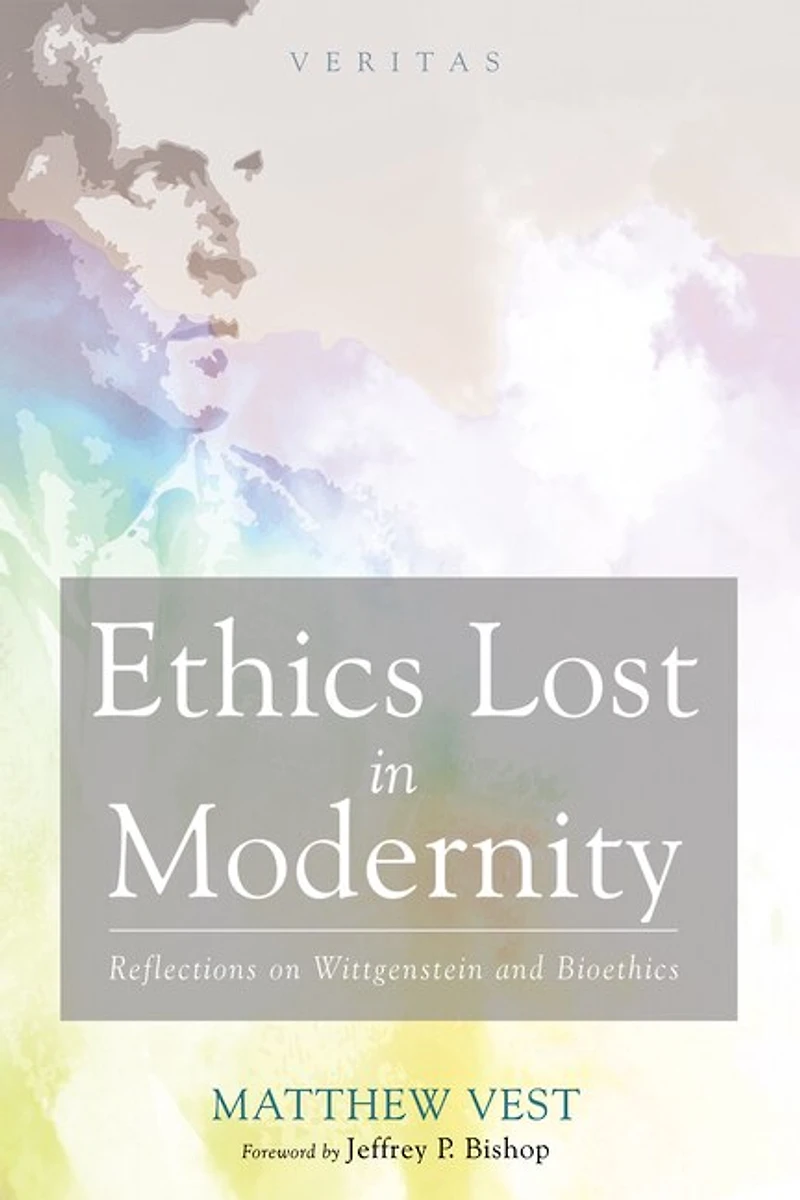
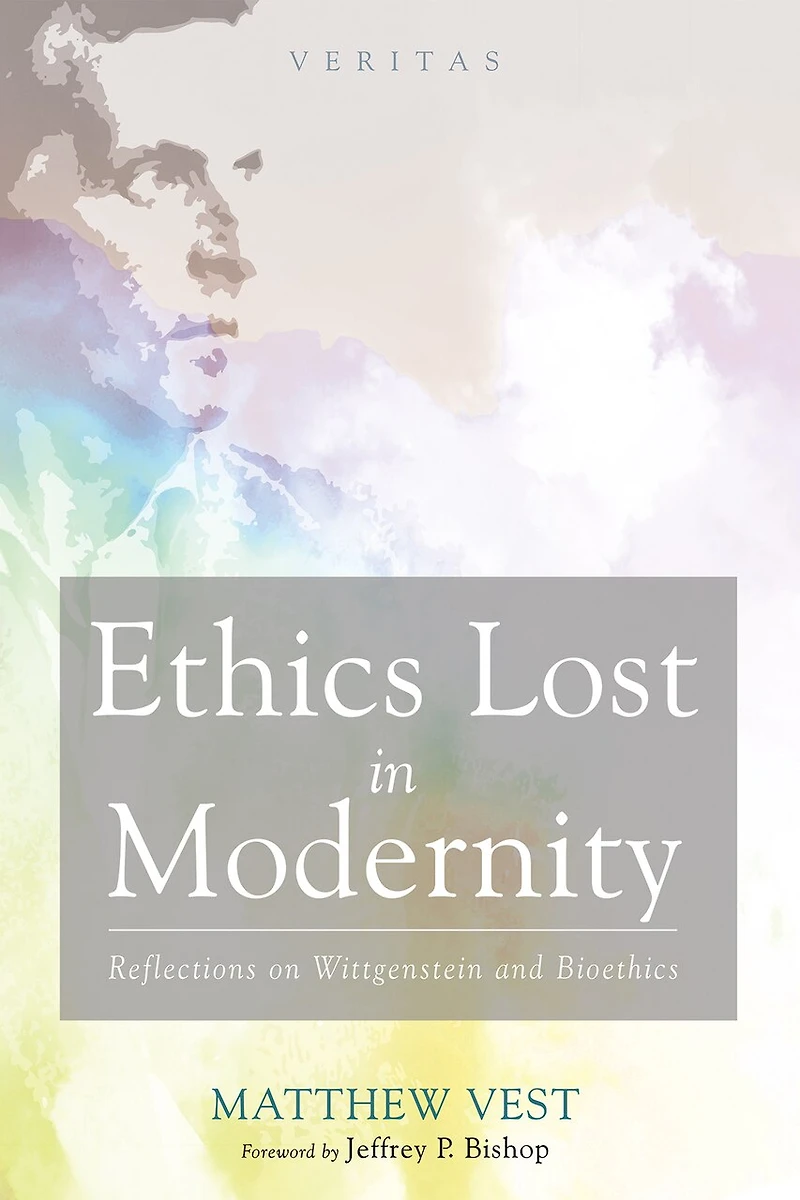
Ethics Lost Modernity: Reflections on Wittgenstein and Bioethics in Ottawa, ON
Current price: $68.00

Ethics Lost Modernity: Reflections on Wittgenstein and Bioethics in Ottawa, ON
Current price: $68.00
Loading Inventory...
Size: Hardcover
*Product information may vary - to confirm product availability, pricing, shipping and return information please contact Coles
Ethics Lost in Modernity: Reflections on Wittgenstein and Bioethics turns to the philosopher Ludwig Wittgenstein as a guide to understand the immense success--yet great danger--of bioethics. Matthew Vest traces the story of bioethics since its inception in the late 1960s as a way to uncover a number of hidden assumptions within modern ethics that relies upon scientific theorizing as the fundamental way of thinking. Autonomy and utilitarianism, in particular, are two nearly unquestioned goals of scientific theorizing that are easily accessible, but at what cost? Vest argues that such an ethics enacts a thin moral calculation that runs the risk of enslaving ethics to scientism. Far from the depth of religious ethos and practices of virtue, modern ethics is lost amidst thin ethical theories, enacting a language game that instrumentalizes ethics in service of technological, bureaucratic, and professional end goals. He proposes that true moral living is far from anti-science, but rather is envisioned best when ethics and science are balanced with keen insights from ancient sacred cosmology.
Ethics Lost in Modernity: Reflections on Wittgenstein and Bioethics turns to the philosopher Ludwig Wittgenstein as a guide to understand the immense success--yet great danger--of bioethics. Matthew Vest traces the story of bioethics since its inception in the late 1960s as a way to uncover a number of hidden assumptions within modern ethics that relies upon scientific theorizing as the fundamental way of thinking. Autonomy and utilitarianism, in particular, are two nearly unquestioned goals of scientific theorizing that are easily accessible, but at what cost? Vest argues that such an ethics enacts a thin moral calculation that runs the risk of enslaving ethics to scientism. Far from the depth of religious ethos and practices of virtue, modern ethics is lost amidst thin ethical theories, enacting a language game that instrumentalizes ethics in service of technological, bureaucratic, and professional end goals. He proposes that true moral living is far from anti-science, but rather is envisioned best when ethics and science are balanced with keen insights from ancient sacred cosmology.
You May Also Like










More About Coles at Bayshore Shopping Centre
Coles is renowned for its outstanding customer service and great selection of books. Along with the vast array of magazines, stationary, audio-books, children's literature, fiction, non-fiction and reference books, you can find accessories to make your reading experience more pleasurable. We can recommend the very best in reading today. We will help you search our titles for exactly what you need, and if we do not have it in stock, we will order it for you.
100 Bayshore Dr, Nepean, ON K2B 8C1, Canada
Find Coles at Bayshore Shopping Centre in Ottawa, ON
Visit Coles at Bayshore Shopping Centre in Ottawa, ON