

Give the Gift of Choice!
Too many options? Treat your friends and family to their favourite stores with a Bayshore Shopping Centre gift card, redeemable at participating retailers throughout the centre. Click below to purchase yours today!Purchase HereHome
Evacuee Cinema: Bombay and Lahore in Partition Transit, 1940–1960
Coles
Loading Inventory...
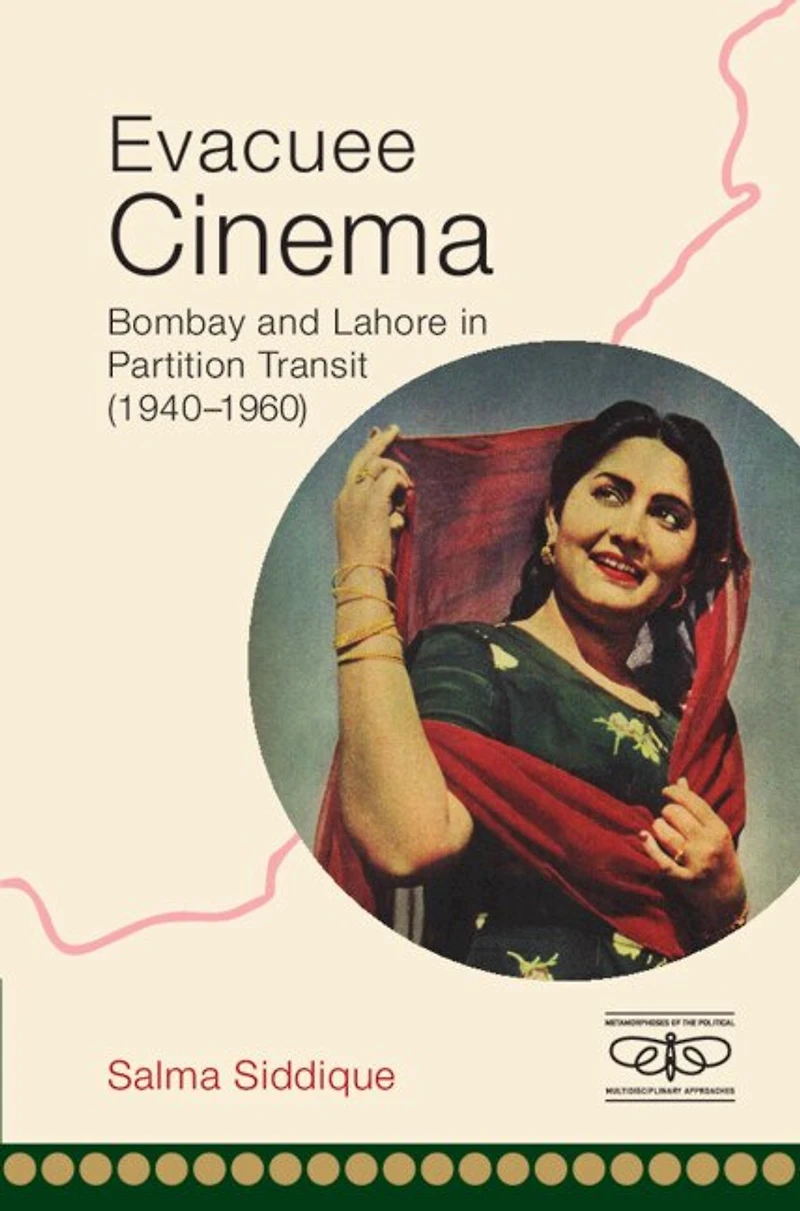
Evacuee Cinema: Bombay and Lahore in Partition Transit, 1940–1960 in Ottawa, ON
Current price: $140.95

Evacuee Cinema: Bombay and Lahore in Partition Transit, 1940–1960 in Ottawa, ON
Current price: $140.95
Loading Inventory...
Size: Hardcover
*Product information may vary - to confirm product availability, pricing, shipping and return information please contact Coles
This new history of partition and South Asian cinema is narrated through the careers of émigré film personnel, as well as through the distinctive genres and ancillary ventures that accompanied the aftershocks of partition. Moving beyond arguments about social contingency and political intent, the book suggests that the creative energies, production and subsequent circulation of popular cinema can offer fresh insights into partition. Pointing to regional connections across national boundaries, this book asserts that the cinemas of India and Pakistan must be explored in tandem to uncover the legacy of partition for the culture industries of the region, one that is not hewn out of national erasures. The leitmotifs of émigré personnel, gossip and satire in film print culture, the partisan repertoire of a theatre company, the film genres of the Muslim social, romantic comedies and charba (remakes), and the unruly film archives of postcolonial nation–states, when accessed through the lens of a divisive decolonization, reveal the parallaxes and confabulations of the 'national' on both sides.
This new history of partition and South Asian cinema is narrated through the careers of émigré film personnel, as well as through the distinctive genres and ancillary ventures that accompanied the aftershocks of partition. Moving beyond arguments about social contingency and political intent, the book suggests that the creative energies, production and subsequent circulation of popular cinema can offer fresh insights into partition. Pointing to regional connections across national boundaries, this book asserts that the cinemas of India and Pakistan must be explored in tandem to uncover the legacy of partition for the culture industries of the region, one that is not hewn out of national erasures. The leitmotifs of émigré personnel, gossip and satire in film print culture, the partisan repertoire of a theatre company, the film genres of the Muslim social, romantic comedies and charba (remakes), and the unruly film archives of postcolonial nation–states, when accessed through the lens of a divisive decolonization, reveal the parallaxes and confabulations of the 'national' on both sides.
You May Also Like















More About Coles at Bayshore Shopping Centre
Coles is renowned for its outstanding customer service and great selection of books. Along with the vast array of magazines, stationary, audio-books, children's literature, fiction, non-fiction and reference books, you can find accessories to make your reading experience more pleasurable. We can recommend the very best in reading today. We will help you search our titles for exactly what you need, and if we do not have it in stock, we will order it for you.
100 Bayshore Dr, Nepean, ON K2B 8C1, Canada
Find Coles at Bayshore Shopping Centre in Ottawa, ON
Visit Coles at Bayshore Shopping Centre in Ottawa, ON