

Give the Gift of Choice!
Too many options? Treat your friends and family to their favourite stores with a Bayshore Shopping Centre gift card, redeemable at participating retailers throughout the centre. Click below to purchase yours today!Purchase HereHome
Everyday Architecture: A Vast Wasteland
Coles
Loading Inventory...
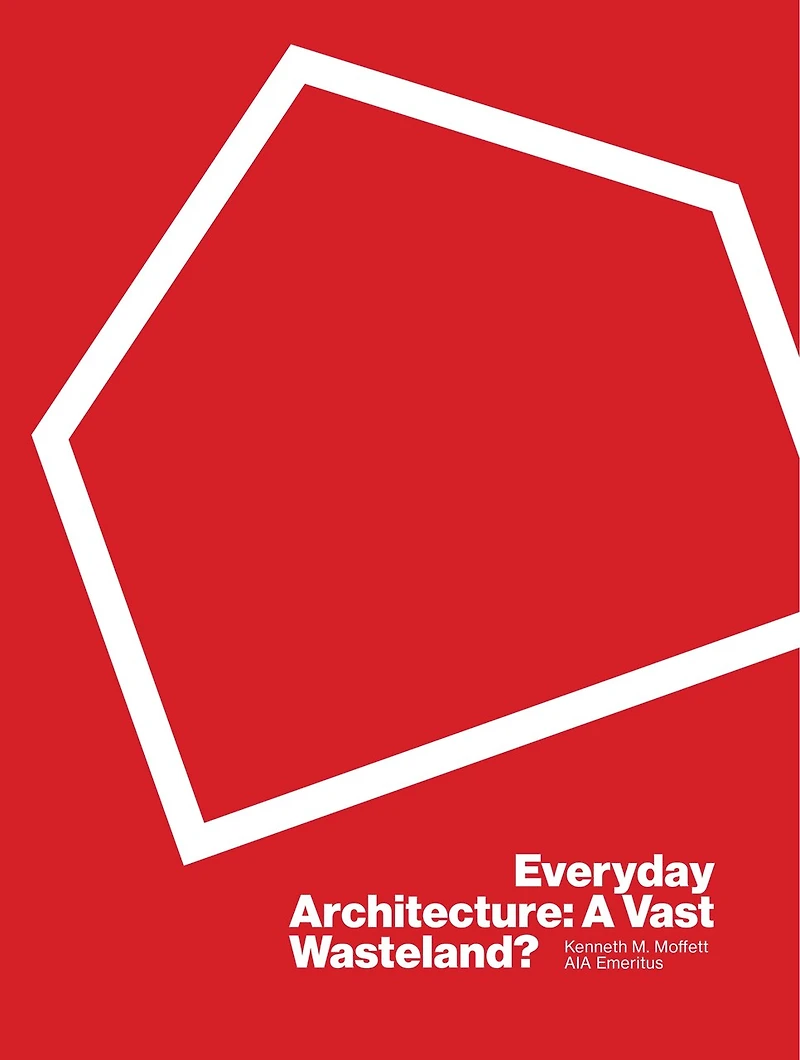
Everyday Architecture: A Vast Wasteland in Ottawa, ON
Current price: $38.99

Everyday Architecture: A Vast Wasteland in Ottawa, ON
Current price: $38.99
Loading Inventory...
Size: Paperback
*Product information may vary - to confirm product availability, pricing, shipping and return information please contact Coles
A long-deserved survey, of the everyday building types that line our suburban roads and parking lots, affords an informative and diverting critique of their architectural and sociocultural foibles.
This project began with an essay on the “McMansion” phenomenon, and it grew to become a meditation on the assorted different building types that are found in every American city and suburb. While it’s true that good buildings do exist for each of those categories, they are very much the exception, these buildings more typically ranging from dull to assertively ugly. The book is meant to be a fairly pitiless and revealing look at this “vast wasteland,” with an architect’s hat on but without resort to the profession’s fads and verbiages.
Several natural categories inform the organization of the contents, including commercial, residential, and institutional, even including cars and other manifestations of “architecture on the move” that have also lost their way in stylistic terms. The writing includes capsule histories of many of the building types included, plus some lesser-known facts and some sidebars on sociocultural aspects which make up much of one’s experience of these places. Stylistically, a bit of an acerbic tone makes for diverting as well as informative reading.
A long-deserved survey, of the everyday building types that line our suburban roads and parking lots, affords an informative and diverting critique of their architectural and sociocultural foibles.
This project began with an essay on the “McMansion” phenomenon, and it grew to become a meditation on the assorted different building types that are found in every American city and suburb. While it’s true that good buildings do exist for each of those categories, they are very much the exception, these buildings more typically ranging from dull to assertively ugly. The book is meant to be a fairly pitiless and revealing look at this “vast wasteland,” with an architect’s hat on but without resort to the profession’s fads and verbiages.
Several natural categories inform the organization of the contents, including commercial, residential, and institutional, even including cars and other manifestations of “architecture on the move” that have also lost their way in stylistic terms. The writing includes capsule histories of many of the building types included, plus some lesser-known facts and some sidebars on sociocultural aspects which make up much of one’s experience of these places. Stylistically, a bit of an acerbic tone makes for diverting as well as informative reading.
















More About Coles at Bayshore Shopping Centre
Coles is renowned for its outstanding customer service and great selection of books. Along with the vast array of magazines, stationary, audio-books, children's literature, fiction, non-fiction and reference books, you can find accessories to make your reading experience more pleasurable. We can recommend the very best in reading today. We will help you search our titles for exactly what you need, and if we do not have it in stock, we will order it for you.
100 Bayshore Dr, Nepean, ON K2B 8C1, Canada
Find Coles at Bayshore Shopping Centre in Ottawa, ON
Visit Coles at Bayshore Shopping Centre in Ottawa, ON