

Give the Gift of Choice!
Too many options? Treat your friends and family to their favourite stores with a Bayshore Shopping Centre gift card, redeemable at participating retailers throughout the centre. Click below to purchase yours today!Purchase HereHome
Everyday Economics: A User's Guide to the Modern Economy
Coles
Loading Inventory...

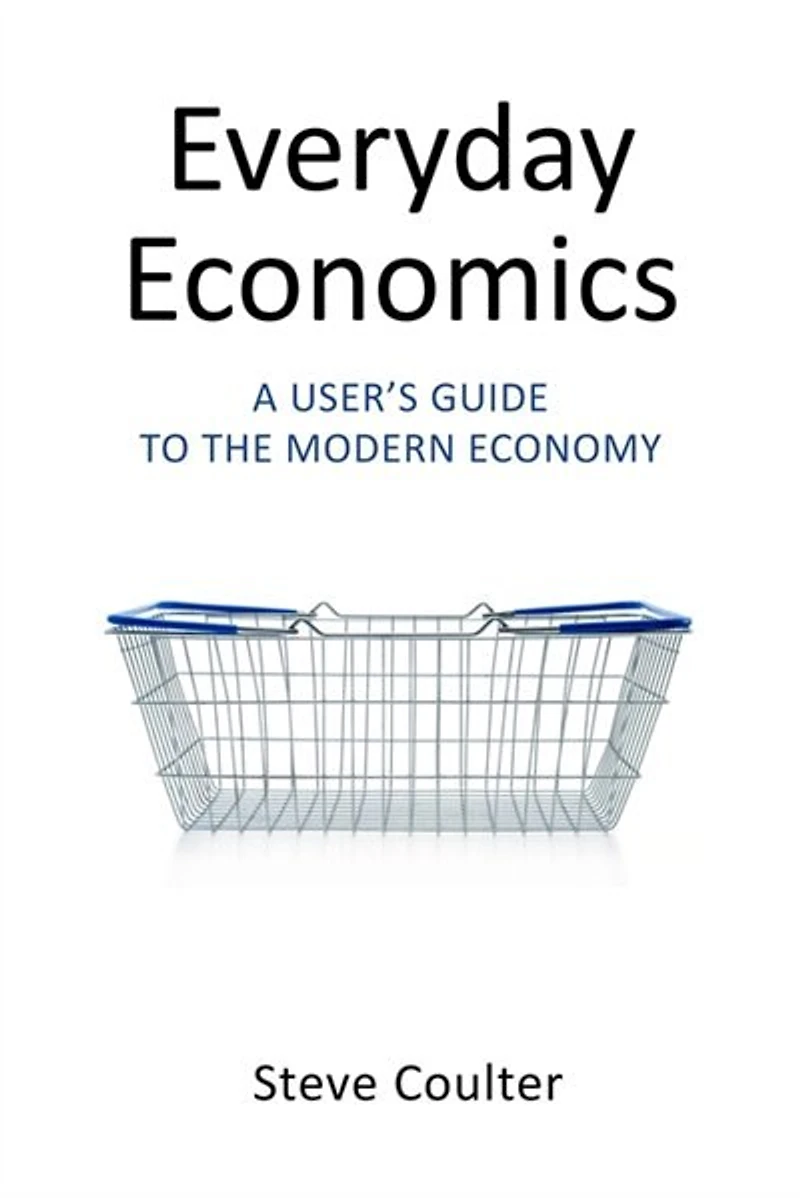
Everyday Economics: A User's Guide to the Modern Economy in Ottawa, ON
Current price: $143.00

Everyday Economics: A User's Guide to the Modern Economy in Ottawa, ON
Current price: $143.00
Loading Inventory...
Size: Hardcover
*Product information may vary - to confirm product availability, pricing, shipping and return information please contact Coles
Much of economics is a top-down analysis that simplifies and reduces the huge varieties between individuals to a predictable range of characteristics that lend themselves to systematic analysis. This book eschews this conventional perspective, which sees national economies as simply agglomerations of the activities of millions of people, and instead explores the role played by the individual in the economy, in particular, how the individual experiences the economy. In so doing, the book is able to illuminate the economic landscape for the non-technical reader in a much more engaging and accessible way.
Steve Coulter examines those areas of our lives that most direcly connect with the economy – jobs, education, healthcare, housing, personal finance, welfare, consumption – and explores how the individual choices we make are determined. He shows how the things we experience, need and consume fit into a fast-changing and interdependent global economic setting and highlights the role of government and markets in shaping our lives.
Much of economics is a top-down analysis that simplifies and reduces the huge varieties between individuals to a predictable range of characteristics that lend themselves to systematic analysis. This book eschews this conventional perspective, which sees national economies as simply agglomerations of the activities of millions of people, and instead explores the role played by the individual in the economy, in particular, how the individual experiences the economy. In so doing, the book is able to illuminate the economic landscape for the non-technical reader in a much more engaging and accessible way.
Steve Coulter examines those areas of our lives that most direcly connect with the economy – jobs, education, healthcare, housing, personal finance, welfare, consumption – and explores how the individual choices we make are determined. He shows how the things we experience, need and consume fit into a fast-changing and interdependent global economic setting and highlights the role of government and markets in shaping our lives.
You May Also Like














More About Coles at Bayshore Shopping Centre
Coles is renowned for its outstanding customer service and great selection of books. Along with the vast array of magazines, stationary, audio-books, children's literature, fiction, non-fiction and reference books, you can find accessories to make your reading experience more pleasurable. We can recommend the very best in reading today. We will help you search our titles for exactly what you need, and if we do not have it in stock, we will order it for you.
100 Bayshore Dr, Nepean, ON K2B 8C1, Canada
Find Coles at Bayshore Shopping Centre in Ottawa, ON
Visit Coles at Bayshore Shopping Centre in Ottawa, ON