

Give the Gift of Choice!
Too many options? Treat your friends and family to their favourite stores with a Bayshore Shopping Centre gift card, redeemable at participating retailers throughout the centre. Click below to purchase yours today!Purchase HereHome
Everyday Violence at the EU's External Borders: Games and Push-backs
Coles
Loading Inventory...
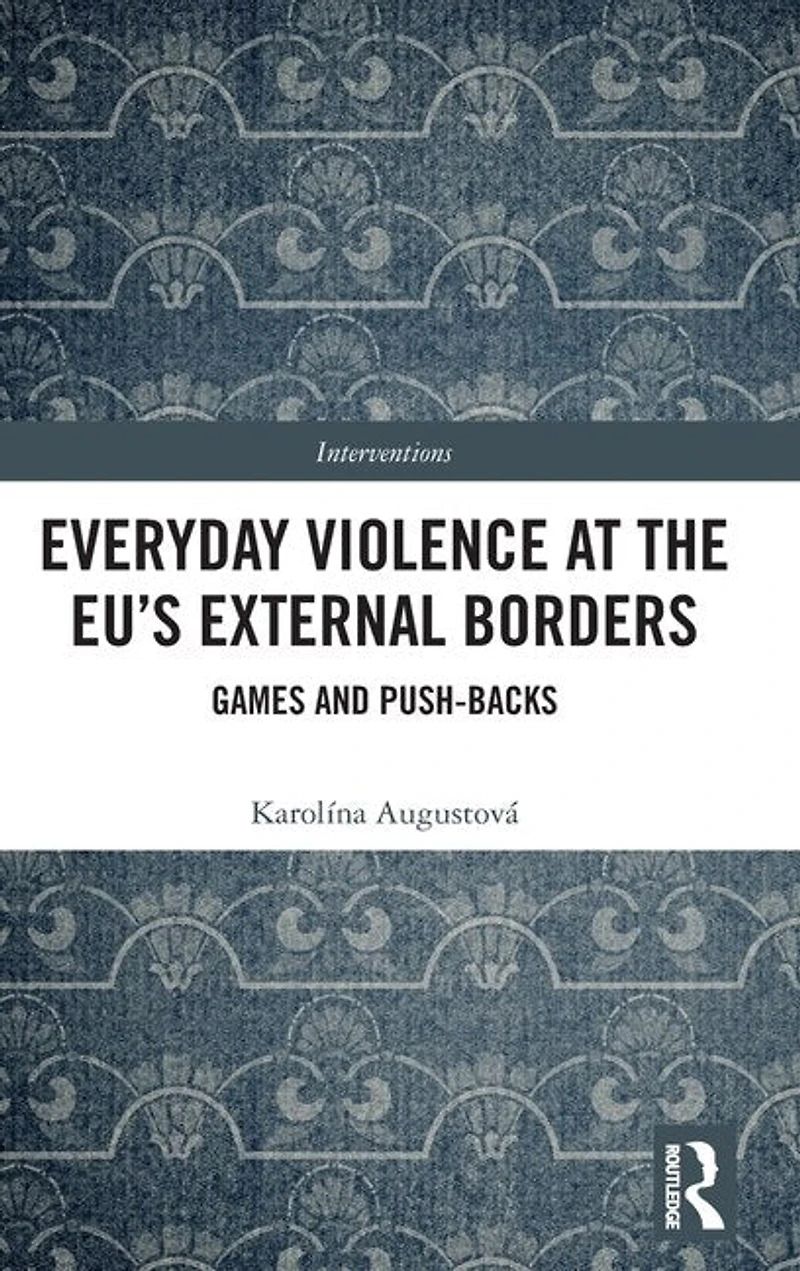
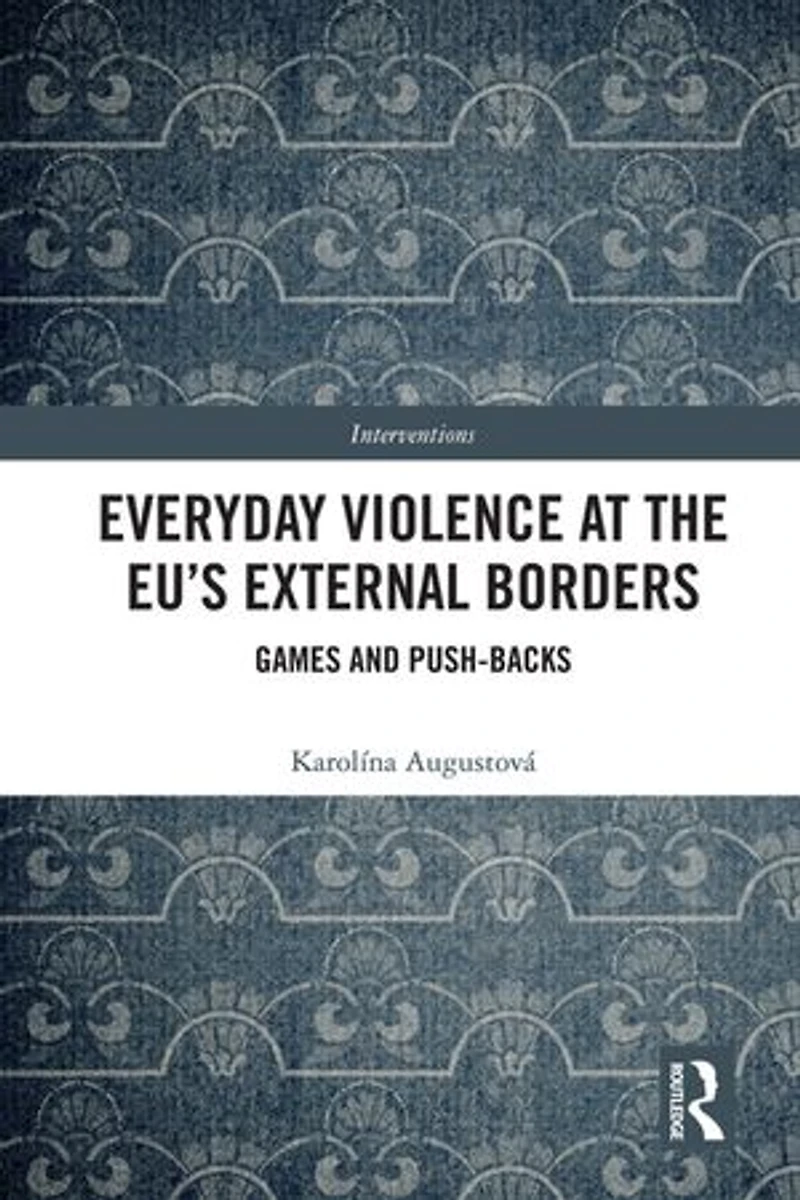
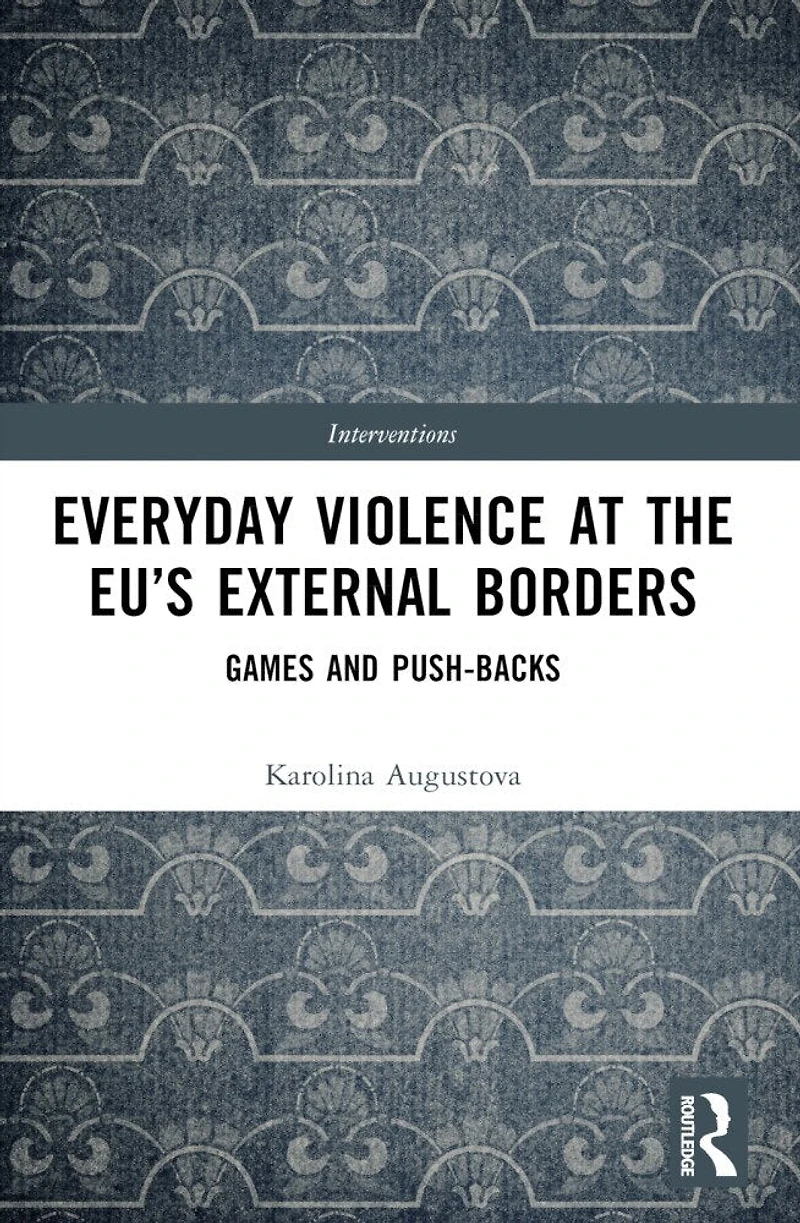
Everyday Violence at the EU's External Borders: Games and Push-backs in Ottawa, ON
Current price: $281.50

Everyday Violence at the EU's External Borders: Games and Push-backs in Ottawa, ON
Current price: $281.50
Loading Inventory...
Size: Hardcover
*Product information may vary - to confirm product availability, pricing, shipping and return information please contact Coles
Combining conflict studies and feminist perspectives on everyday violence, this book analyses games and push-back which are vectors to migrants' border-crossing attempts and violence that aims to deter their journeys at the Bosnian-Croatian border. It questions how these diverse forms of violence are experienced, not treating violence as singular episodes but rather paying attention to how migrants make meaning of it across months and years. The author examines direct violence and its symbiosis with structural harms and questions how these turn into everyday, concrete, and intimate processes at the border. She also questions who this violence targets and where it takes place and asks whether and how the dominant assumptions about race and gender impact men's migration journeys. The book will appeal to scholars and postgraduate students interested in issues of migration, violence, masculinities, racialization, the European Union's border governance, and scholar activism.
Combining conflict studies and feminist perspectives on everyday violence, this book analyses games and push-back which are vectors to migrants' border-crossing attempts and violence that aims to deter their journeys at the Bosnian-Croatian border. It questions how these diverse forms of violence are experienced, not treating violence as singular episodes but rather paying attention to how migrants make meaning of it across months and years. The author examines direct violence and its symbiosis with structural harms and questions how these turn into everyday, concrete, and intimate processes at the border. She also questions who this violence targets and where it takes place and asks whether and how the dominant assumptions about race and gender impact men's migration journeys. The book will appeal to scholars and postgraduate students interested in issues of migration, violence, masculinities, racialization, the European Union's border governance, and scholar activism.
You May Also Like










More About Coles at Bayshore Shopping Centre
Coles is renowned for its outstanding customer service and great selection of books. Along with the vast array of magazines, stationary, audio-books, children's literature, fiction, non-fiction and reference books, you can find accessories to make your reading experience more pleasurable. We can recommend the very best in reading today. We will help you search our titles for exactly what you need, and if we do not have it in stock, we will order it for you.
100 Bayshore Dr, Nepean, ON K2B 8C1, Canada
Find Coles at Bayshore Shopping Centre in Ottawa, ON
Visit Coles at Bayshore Shopping Centre in Ottawa, ON