

Give the Gift of Choice!
Too many options? Treat your friends and family to their favourite stores with a Bayshore Shopping Centre gift card, redeemable at participating retailers throughout the centre. Click below to purchase yours today!Purchase HereHome
Evidence-Based Policymaking the Big Data Era
Coles
Loading Inventory...

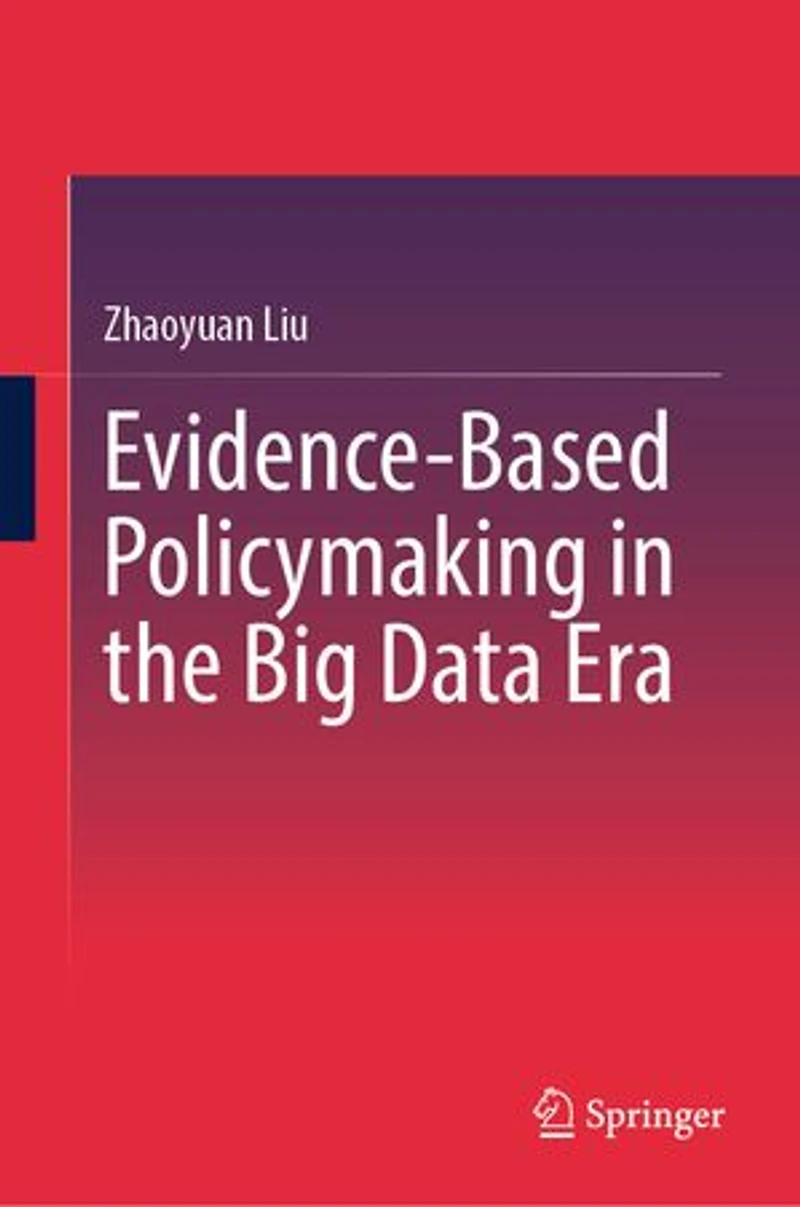
Evidence-Based Policymaking the Big Data Era in Ottawa, ON
Current price: $233.95

Evidence-Based Policymaking the Big Data Era in Ottawa, ON
Current price: $233.95
Loading Inventory...
Size: Hardcover
*Product information may vary - to confirm product availability, pricing, shipping and return information please contact Coles
This book investigates the transformative potential of Big Data in advancing Evidence-Based Policymaking (EBPM). As governments grapple with complex challenges, there is increasing demand for using scientific evidence to enhance the quality of policymaking. Through an interdisciplinary approach integrating public administration, Social Big Data analysis, and economics, this book provides practical implications for governments to advance EBPM, while demonstrating how to leverage Social Big Data to support policymaking with concrete policy cases. This book first explains the fundamental concepts of EBPM, including what counts as evidence, why evidence matters, and what procedure ensures effective EBPM implementation. Part II reveals the current status of EBPM practices in two countries: the UK, as a leading nation in EBPM practices and Japan in the nascent stages of adoption. This part examines the persistent shortcomings, and systemic challenges faced by both governments in advancing EBPM. Furthermore, Part III presents empirical analyses across three policy domains: tourism promotion, human mobility control during the Covid-19 pandemic, and house price estimation. The analyses used Social Big Data sources, e.g., Google Trends, SNS, and Google Mobility, to quantify important policy factors and provide evidence for policymaking and evaluation. This book stands out for its contributions in two key areas. First, it reveals the current status of EBPM practices in the UK and Japan, thereby addressing a critical research gap in cross-national EBPM studies. Second, it contributes to both academic research and policy practice by proposing a data-driven EBPM approach and demonstrating its application through specific policy analysis cases.
This book investigates the transformative potential of Big Data in advancing Evidence-Based Policymaking (EBPM). As governments grapple with complex challenges, there is increasing demand for using scientific evidence to enhance the quality of policymaking. Through an interdisciplinary approach integrating public administration, Social Big Data analysis, and economics, this book provides practical implications for governments to advance EBPM, while demonstrating how to leverage Social Big Data to support policymaking with concrete policy cases. This book first explains the fundamental concepts of EBPM, including what counts as evidence, why evidence matters, and what procedure ensures effective EBPM implementation. Part II reveals the current status of EBPM practices in two countries: the UK, as a leading nation in EBPM practices and Japan in the nascent stages of adoption. This part examines the persistent shortcomings, and systemic challenges faced by both governments in advancing EBPM. Furthermore, Part III presents empirical analyses across three policy domains: tourism promotion, human mobility control during the Covid-19 pandemic, and house price estimation. The analyses used Social Big Data sources, e.g., Google Trends, SNS, and Google Mobility, to quantify important policy factors and provide evidence for policymaking and evaluation. This book stands out for its contributions in two key areas. First, it reveals the current status of EBPM practices in the UK and Japan, thereby addressing a critical research gap in cross-national EBPM studies. Second, it contributes to both academic research and policy practice by proposing a data-driven EBPM approach and demonstrating its application through specific policy analysis cases.


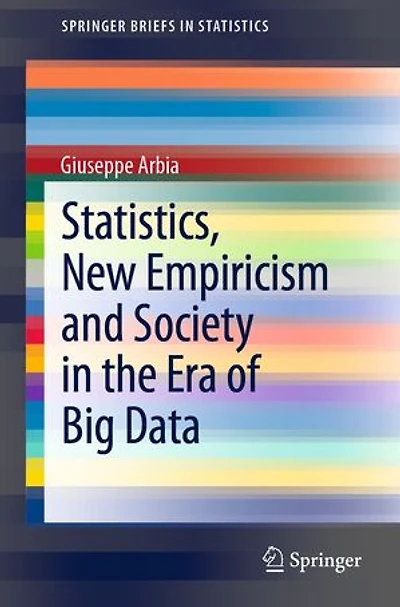

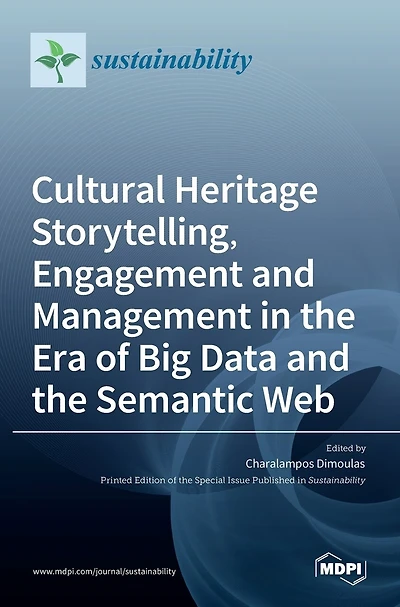













More About Coles at Bayshore Shopping Centre
Coles is renowned for its outstanding customer service and great selection of books. Along with the vast array of magazines, stationary, audio-books, children's literature, fiction, non-fiction and reference books, you can find accessories to make your reading experience more pleasurable. We can recommend the very best in reading today. We will help you search our titles for exactly what you need, and if we do not have it in stock, we will order it for you.
100 Bayshore Dr, Nepean, ON K2B 8C1, Canada
Find Coles at Bayshore Shopping Centre in Ottawa, ON
Visit Coles at Bayshore Shopping Centre in Ottawa, ON