

Give the Gift of Choice!
Too many options? Treat your friends and family to their favourite stores with a Bayshore Shopping Centre gift card, redeemable at participating retailers throughout the centre. Click below to purchase yours today!Purchase HereHome
Exercises in Dynamic Macroeconomic Theory
Coles
Loading Inventory...
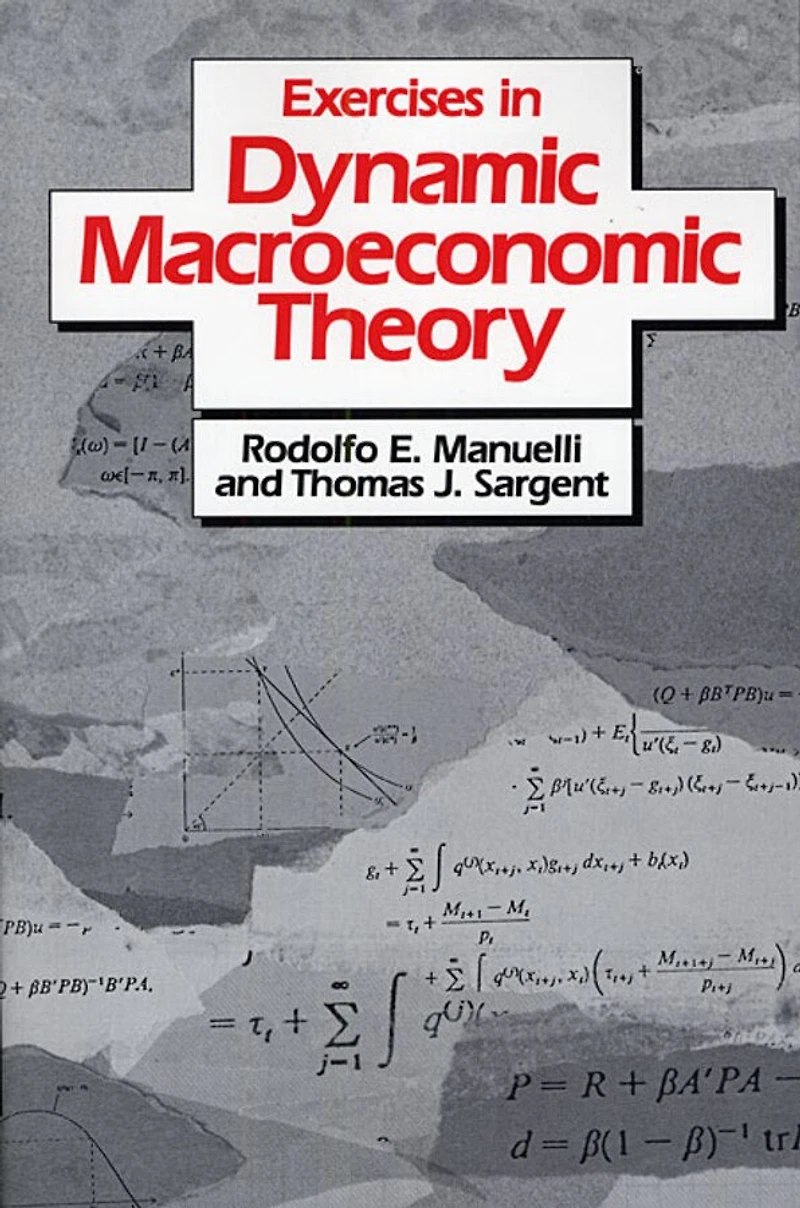
Exercises in Dynamic Macroeconomic Theory in Ottawa, ON
Current price: $67.95

Exercises in Dynamic Macroeconomic Theory in Ottawa, ON
Current price: $67.95
Loading Inventory...
Size: Paperback
*Product information may vary - to confirm product availability, pricing, shipping and return information please contact Coles
This book is a companion volume to Dynamic Macroeconomic Theory by Thomas J. Sargent. It provides scrimmages in dynamic macroeconomic theory--precisely the kind of drills that people will need in order to learn the techniques of dynamic programming and its applications to economics. By doing these exercises, the reader can acquire the ability to put the theory to work in a variety of new situations, build technical skill, gain experience in fruitful ways of setting up problems, and learn to distinguish cases in which problems are well posed from cases in which they are not.
The basic framework provided by variants of a dynamic general equilibrium model is used to analyze problems in macroeconomics and monetary economics. An equilibrium model provides a mapping from parameters of preferences, technologies, endowments, and "rules of the game" to a probability model for time series. The rigor of the logical connections between theory and observations that the mapping provides is an attractive feature of dynamic equilibrium, or "rational expectations," models. This book gives repeated and varied practice in constructing and interpreting this mapping.
This book is a companion volume to Dynamic Macroeconomic Theory by Thomas J. Sargent. It provides scrimmages in dynamic macroeconomic theory--precisely the kind of drills that people will need in order to learn the techniques of dynamic programming and its applications to economics. By doing these exercises, the reader can acquire the ability to put the theory to work in a variety of new situations, build technical skill, gain experience in fruitful ways of setting up problems, and learn to distinguish cases in which problems are well posed from cases in which they are not.
The basic framework provided by variants of a dynamic general equilibrium model is used to analyze problems in macroeconomics and monetary economics. An equilibrium model provides a mapping from parameters of preferences, technologies, endowments, and "rules of the game" to a probability model for time series. The rigor of the logical connections between theory and observations that the mapping provides is an attractive feature of dynamic equilibrium, or "rational expectations," models. This book gives repeated and varied practice in constructing and interpreting this mapping.
You May Also Like








More About Coles at Bayshore Shopping Centre
Coles is renowned for its outstanding customer service and great selection of books. Along with the vast array of magazines, stationary, audio-books, children's literature, fiction, non-fiction and reference books, you can find accessories to make your reading experience more pleasurable. We can recommend the very best in reading today. We will help you search our titles for exactly what you need, and if we do not have it in stock, we will order it for you.
100 Bayshore Dr, Nepean, ON K2B 8C1, Canada
Find Coles at Bayshore Shopping Centre in Ottawa, ON
Visit Coles at Bayshore Shopping Centre in Ottawa, ON