

Give the Gift of Choice!
Too many options? Treat your friends and family to their favourite stores with a Bayshore Shopping Centre gift card, redeemable at participating retailers throughout the centre. Click below to purchase yours today!Purchase HereHome
Exercising Authority and Representing Rule, Eighteenth-Century Persian decrees from the Shrine of Imam Reza in Mashhad
Coles
Loading Inventory...
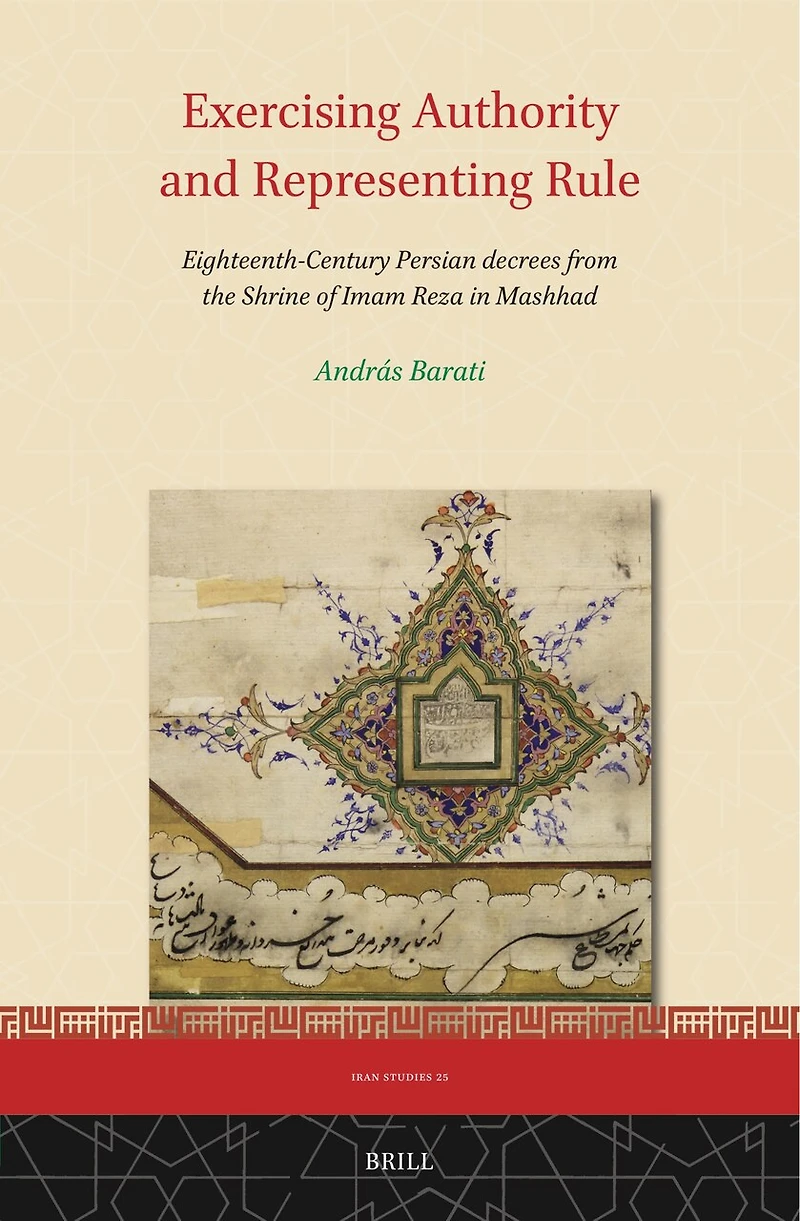
Exercising Authority and Representing Rule, Eighteenth-Century Persian decrees from the Shrine of Imam Reza in Mashhad in Ottawa, ON
Current price: $162.99

Exercising Authority and Representing Rule, Eighteenth-Century Persian decrees from the Shrine of Imam Reza in Mashhad in Ottawa, ON
Current price: $162.99
Loading Inventory...
Size: Hardcover
*Product information may vary - to confirm product availability, pricing, shipping and return information please contact Coles
In Exercising Authority and Representing Rule , András Barati examines twenty-two hitherto unpublished Persian royal decrees issued by various rulers of eighteenth-century Iran and Afghanistan kept at the Āstān-i Quds-i Rażawī in Mashhad. Considering the paucity of primary sources from this period due to relatively frequent political turmoils, he aims to improve this situation by offering the transcription and translation of these original documents as well as a commentary concerning the textual elements, external aspects, and content of the decrees. Making use of previously published documents, András Barati presents the first substantial study on post-Safavid eighteenth-century diplomatics and addresses several issues related to the political, economic, and administrative history of the region in the early modern period.
In Exercising Authority and Representing Rule , András Barati examines twenty-two hitherto unpublished Persian royal decrees issued by various rulers of eighteenth-century Iran and Afghanistan kept at the Āstān-i Quds-i Rażawī in Mashhad. Considering the paucity of primary sources from this period due to relatively frequent political turmoils, he aims to improve this situation by offering the transcription and translation of these original documents as well as a commentary concerning the textual elements, external aspects, and content of the decrees. Making use of previously published documents, András Barati presents the first substantial study on post-Safavid eighteenth-century diplomatics and addresses several issues related to the political, economic, and administrative history of the region in the early modern period.
You May Also Like















More About Coles at Bayshore Shopping Centre
Coles is renowned for its outstanding customer service and great selection of books. Along with the vast array of magazines, stationary, audio-books, children's literature, fiction, non-fiction and reference books, you can find accessories to make your reading experience more pleasurable. We can recommend the very best in reading today. We will help you search our titles for exactly what you need, and if we do not have it in stock, we will order it for you.
100 Bayshore Dr, Nepean, ON K2B 8C1, Canada
Find Coles at Bayshore Shopping Centre in Ottawa, ON
Visit Coles at Bayshore Shopping Centre in Ottawa, ON