

Give the Gift of Choice!
Too many options? Treat your friends and family to their favourite stores with a Bayshore Shopping Centre gift card, redeemable at participating retailers throughout the centre. Click below to purchase yours today!Purchase HereHome
Exercising Human Rights: Gender, Agency And Practice
Coles
Loading Inventory...
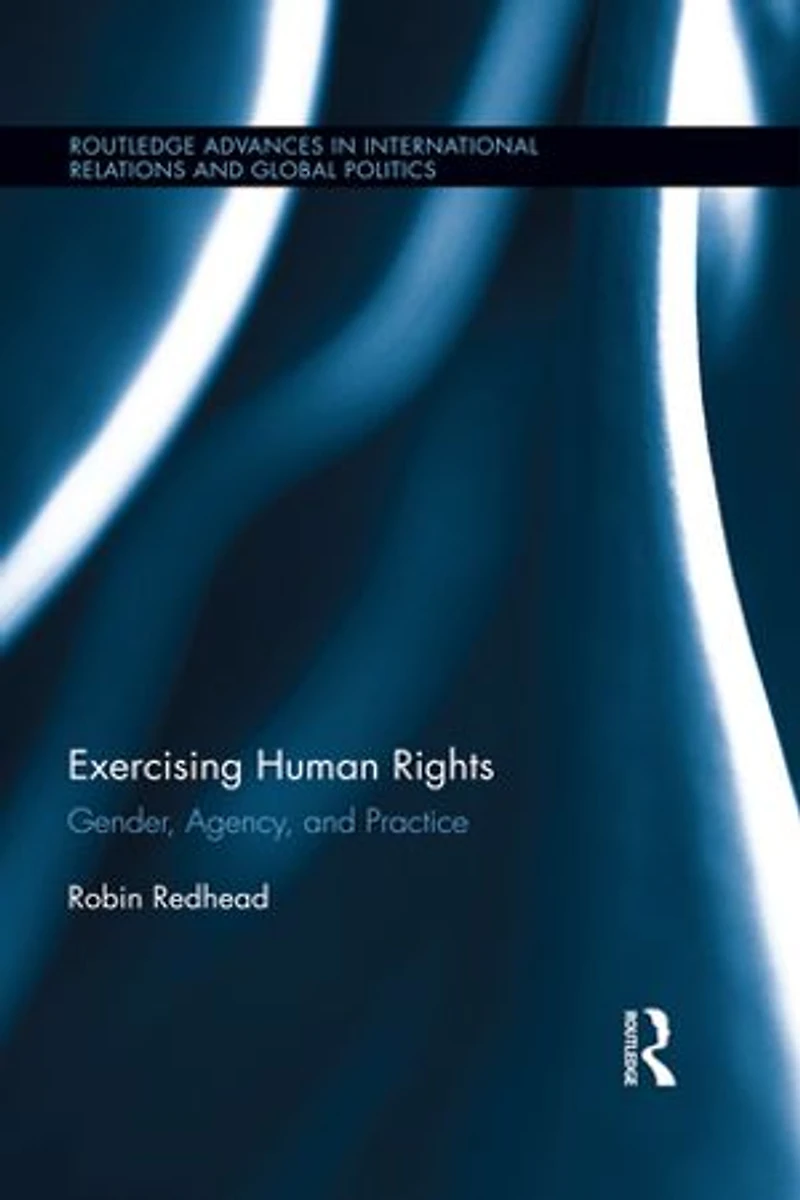
Exercising Human Rights: Gender, Agency And Practice in Ottawa, ON
Current price: $81.42

Exercising Human Rights: Gender, Agency And Practice in Ottawa, ON
Current price: $81.42
Loading Inventory...
Size: Kobo eBook
*Product information may vary - to confirm product availability, pricing, shipping and return information please contact Coles
Exercising Human Rights investigates why human rights are not universally empowering and why this damages people attempting to exercise rights. It takes a new approach in looking at humans as the subject of human rights rather than the object and exposes the gendered and ethnocentric aspects of violence and human subjectivity in the context of human rights. Using an innovative visual methodology, Redhead shines a new critical light on human rights campaigns in practice. She examines two cases in-depth. First, she shows how Amnesty International depicts women negatively in their 2004 'Stop Violence against Women Campaign', revealing the political implications of how images deny women their agency because violence is gendered. She also analyses the Oka conflict between indigenous people and the Canadian state. She explains how the Canadian state defined the Mohawk people in such a way as to deny their human subjectivity. By looking at how the Mohawk used visual media to communicate their plight beyond state boundaries, she delves into the disjuncture between state sovereignty and human rights. This book is useful for anyone with an interest in human rights campaigns and in the study of political images.
Exercising Human Rights investigates why human rights are not universally empowering and why this damages people attempting to exercise rights. It takes a new approach in looking at humans as the subject of human rights rather than the object and exposes the gendered and ethnocentric aspects of violence and human subjectivity in the context of human rights. Using an innovative visual methodology, Redhead shines a new critical light on human rights campaigns in practice. She examines two cases in-depth. First, she shows how Amnesty International depicts women negatively in their 2004 'Stop Violence against Women Campaign', revealing the political implications of how images deny women their agency because violence is gendered. She also analyses the Oka conflict between indigenous people and the Canadian state. She explains how the Canadian state defined the Mohawk people in such a way as to deny their human subjectivity. By looking at how the Mohawk used visual media to communicate their plight beyond state boundaries, she delves into the disjuncture between state sovereignty and human rights. This book is useful for anyone with an interest in human rights campaigns and in the study of political images.
You May Also Like















More About Coles at Bayshore Shopping Centre
Coles is renowned for its outstanding customer service and great selection of books. Along with the vast array of magazines, stationary, audio-books, children's literature, fiction, non-fiction and reference books, you can find accessories to make your reading experience more pleasurable. We can recommend the very best in reading today. We will help you search our titles for exactly what you need, and if we do not have it in stock, we will order it for you.
100 Bayshore Dr, Nepean, ON K2B 8C1, Canada
Find Coles at Bayshore Shopping Centre in Ottawa, ON
Visit Coles at Bayshore Shopping Centre in Ottawa, ON