

Give the Gift of Choice!
Too many options? Treat your friends and family to their favourite stores with a Bayshore Shopping Centre gift card, redeemable at participating retailers throughout the centre. Click below to purchase yours today!Purchase HereHome
Experiments Skin: Race and Beauty the Shadows of Vietnam
Coles
Loading Inventory...
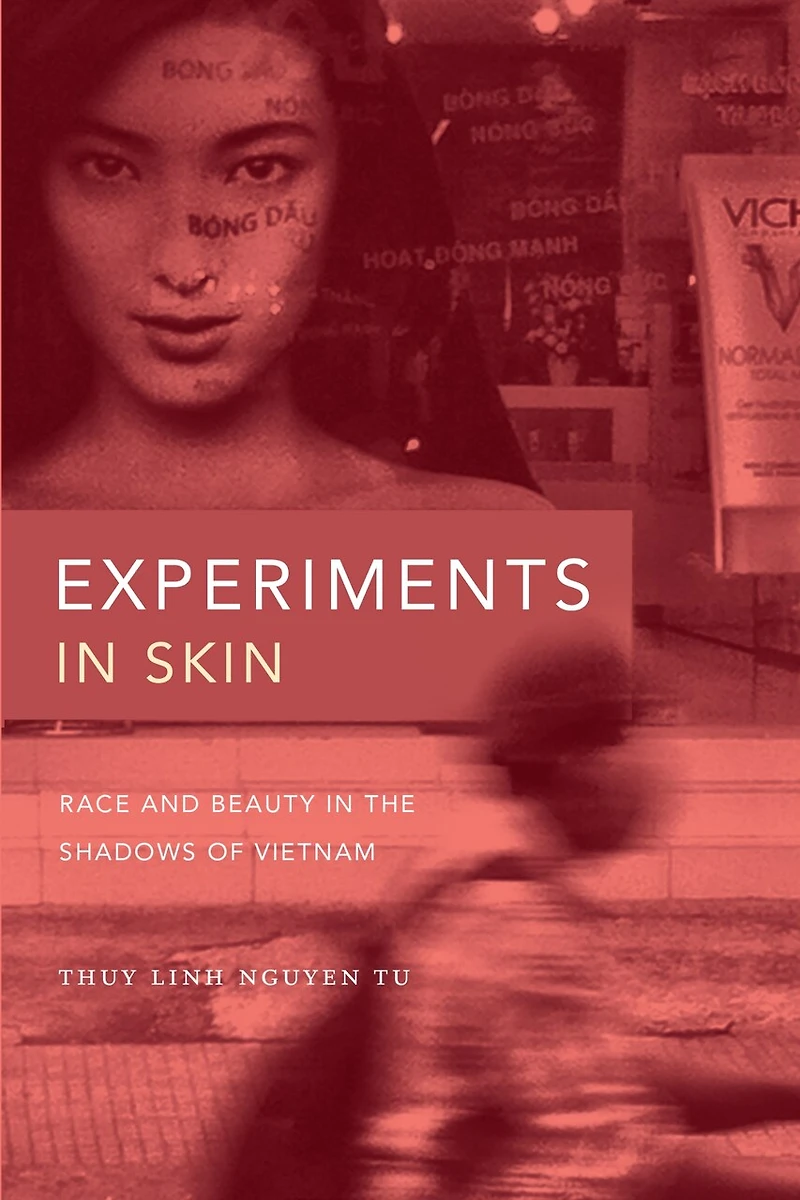
Experiments Skin: Race and Beauty the Shadows of Vietnam in Ottawa, ON
Current price: $133.95

Experiments Skin: Race and Beauty the Shadows of Vietnam in Ottawa, ON
Current price: $133.95
Loading Inventory...
Size: Hardcover
*Product information may vary - to confirm product availability, pricing, shipping and return information please contact Coles
In Experiments in Skin Thuy Linh Nguyen Tu examines the ongoing influence of the Vietnam War on contemporary ideas about race and beauty. Framing skin as the site around which these ideas have been formed, Tu foregrounds the histories of militarism in the production of US biomedical knowledge and commercial cosmetics. She uncovers the efforts of wartime scientists in the US Military Dermatology Research Program to alleviate the environmental and chemical risks to soldiers' skin. These dermatologists sought relief for white soldiers while denying that African American soldiers and Vietnamese civilians were also vulnerable to harm. Their experiments led to the development of pharmaceutical cosmetics, now used by women in Ho Chi Minh City to tend to their skin, and to grapple with the damage caused by the war's lingering toxicity. In showing how the US military laid the foundations for contemporary Vietnamese consumption of cosmetics and practices of beauty, Tu shows how the intersecting histories of militarism, biomedicine, race, and aesthetics become materially and metaphorically visible on skin.
In Experiments in Skin Thuy Linh Nguyen Tu examines the ongoing influence of the Vietnam War on contemporary ideas about race and beauty. Framing skin as the site around which these ideas have been formed, Tu foregrounds the histories of militarism in the production of US biomedical knowledge and commercial cosmetics. She uncovers the efforts of wartime scientists in the US Military Dermatology Research Program to alleviate the environmental and chemical risks to soldiers' skin. These dermatologists sought relief for white soldiers while denying that African American soldiers and Vietnamese civilians were also vulnerable to harm. Their experiments led to the development of pharmaceutical cosmetics, now used by women in Ho Chi Minh City to tend to their skin, and to grapple with the damage caused by the war's lingering toxicity. In showing how the US military laid the foundations for contemporary Vietnamese consumption of cosmetics and practices of beauty, Tu shows how the intersecting histories of militarism, biomedicine, race, and aesthetics become materially and metaphorically visible on skin.







More About Coles at Bayshore Shopping Centre
Coles is renowned for its outstanding customer service and great selection of books. Along with the vast array of magazines, stationary, audio-books, children's literature, fiction, non-fiction and reference books, you can find accessories to make your reading experience more pleasurable. We can recommend the very best in reading today. We will help you search our titles for exactly what you need, and if we do not have it in stock, we will order it for you.
100 Bayshore Dr, Nepean, ON K2B 8C1, Canada
Find Coles at Bayshore Shopping Centre in Ottawa, ON
Visit Coles at Bayshore Shopping Centre in Ottawa, ON