

Give the Gift of Choice!
Too many options? Treat your friends and family to their favourite stores with a Bayshore Shopping Centre gift card, redeemable at participating retailers throughout the centre. Click below to purchase yours today!Purchase HereHome
Exploring the Interactional Instinct
Coles
Loading Inventory...
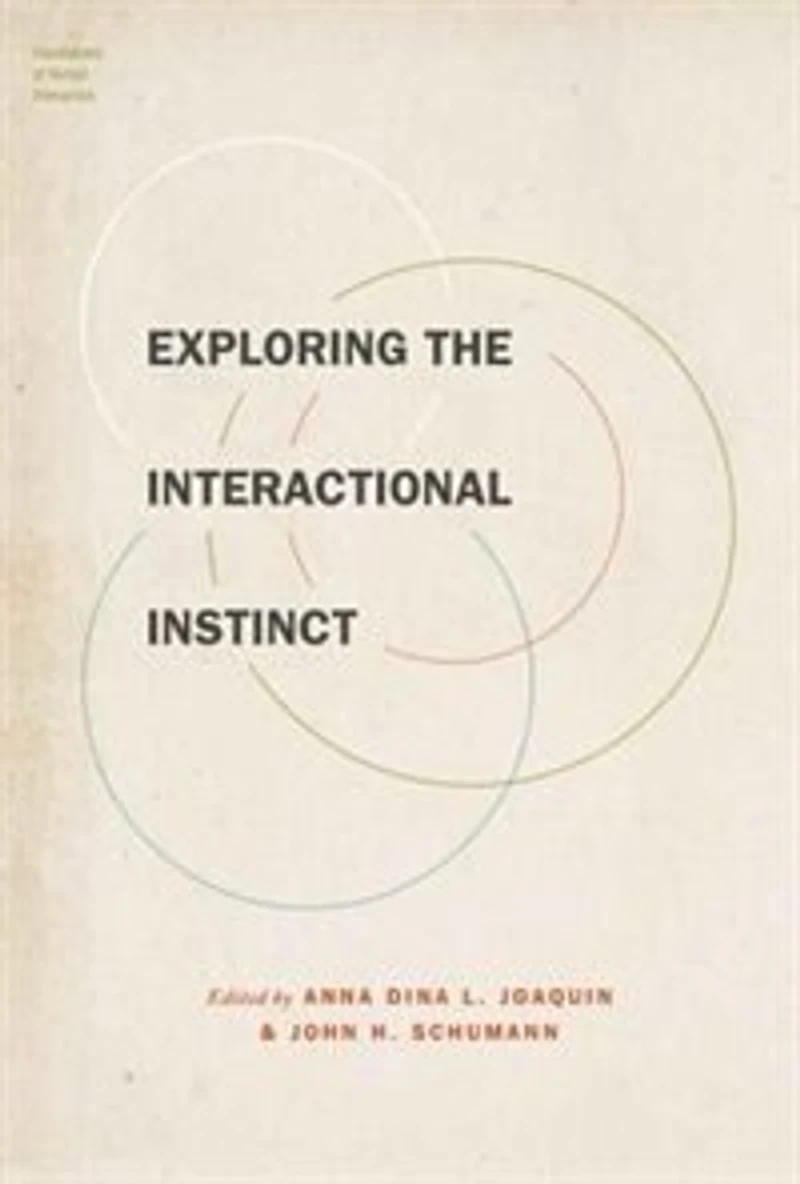
Exploring the Interactional Instinct in Ottawa, ON
Current price: $90.50

Exploring the Interactional Instinct in Ottawa, ON
Current price: $90.50
Loading Inventory...
Size: Hardcover
*Product information may vary - to confirm product availability, pricing, shipping and return information please contact Coles
The Interactional Instinct (Oxford University Press, 2009) argued that the ubiquitous acquisition of language by all normal children was the result of a biologically-based drive for infants and children to attach, bond, and affiliate with conspecifics in an attempt to become like them. This instinct leads children to seek out verbal interaction with caregivers and allows them to become competent language speakers by about age 8. In Exploring the Interactional Instinct, scholars in applied linguistics expand the theory by examining interaction in second language acquisition; in different cultures and species; in observation without participation; in literacy; in schizophrenia; in relation to human physiological responses; and in relation to correlated perspectives on interaction.
This book, like its predecessor, offers a radical view of language acquisition: language is not acquired as a result of a Language Acquisition Device in the brain, but is rather a cultural artifact universally acquired by all normal children.
The Interactional Instinct (Oxford University Press, 2009) argued that the ubiquitous acquisition of language by all normal children was the result of a biologically-based drive for infants and children to attach, bond, and affiliate with conspecifics in an attempt to become like them. This instinct leads children to seek out verbal interaction with caregivers and allows them to become competent language speakers by about age 8. In Exploring the Interactional Instinct, scholars in applied linguistics expand the theory by examining interaction in second language acquisition; in different cultures and species; in observation without participation; in literacy; in schizophrenia; in relation to human physiological responses; and in relation to correlated perspectives on interaction.
This book, like its predecessor, offers a radical view of language acquisition: language is not acquired as a result of a Language Acquisition Device in the brain, but is rather a cultural artifact universally acquired by all normal children.
You May Also Like












More About Coles at Bayshore Shopping Centre
Coles is renowned for its outstanding customer service and great selection of books. Along with the vast array of magazines, stationary, audio-books, children's literature, fiction, non-fiction and reference books, you can find accessories to make your reading experience more pleasurable. We can recommend the very best in reading today. We will help you search our titles for exactly what you need, and if we do not have it in stock, we will order it for you.
100 Bayshore Dr, Nepean, ON K2B 8C1, Canada
Find Coles at Bayshore Shopping Centre in Ottawa, ON
Visit Coles at Bayshore Shopping Centre in Ottawa, ON