

Give the Gift of Choice!
Too many options? Treat your friends and family to their favourite stores with a Bayshore Shopping Centre gift card, redeemable at participating retailers throughout the centre. Click below to purchase yours today!Purchase HereHome
Explosive Conflict: Time-dynamics Of Violence
Coles
Loading Inventory...
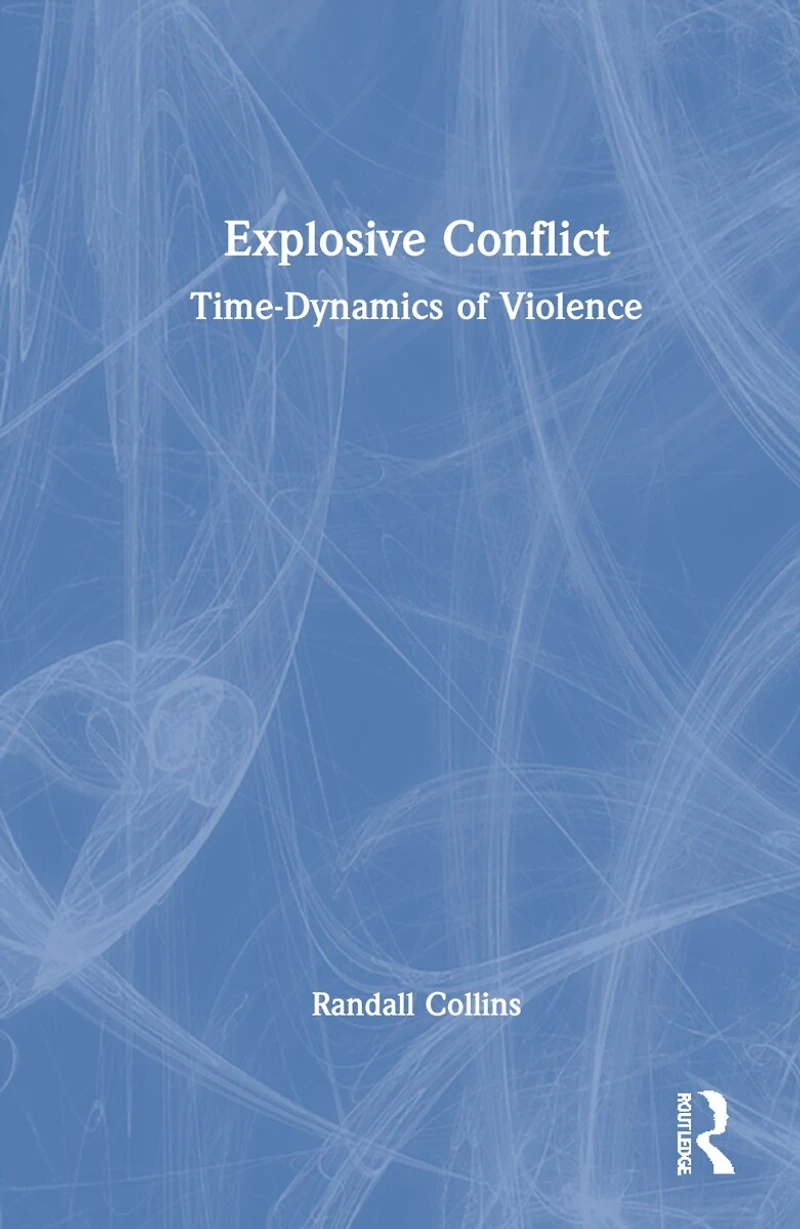
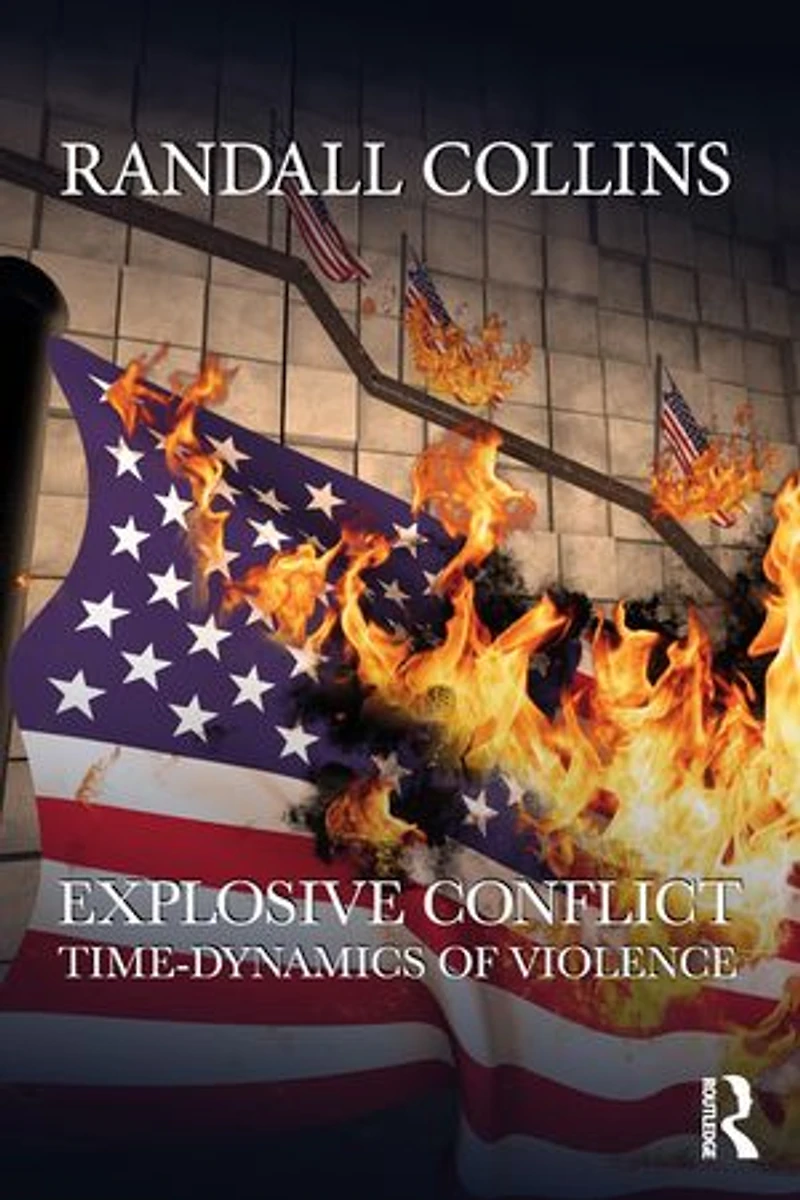
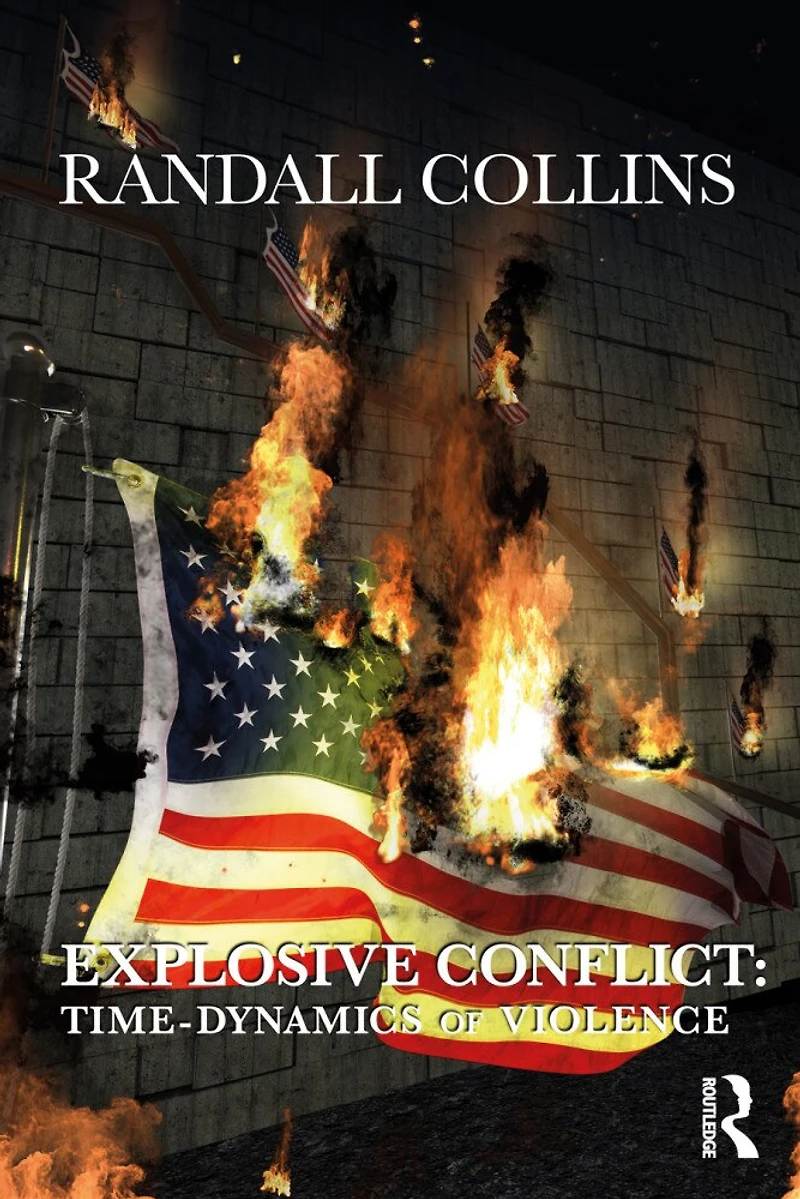
Explosive Conflict: Time-dynamics Of Violence in Ottawa, ON
Current price: $296.50

Explosive Conflict: Time-dynamics Of Violence in Ottawa, ON
Current price: $296.50
Loading Inventory...
Size: Hardcover
*Product information may vary - to confirm product availability, pricing, shipping and return information please contact Coles
This sequel to Randall Collins' world-influential micro-sociology of violence introduces the question of time-dynamics: what determines how long conflict lasts and how much damage it does. Inequality and hostility are not enough to explain when and where violence breaks out. Time-dynamics are the time-bubbles when people are most nationalistic; the hours after a protest starts when violence is most likely to happen. Ranging from the three months of nationalism and hysteria after 9/11 to the assault on the Capitol in 2021, Randall Collins shows what makes some protests more violent than others and why some revolutions are swift and non-violent tipping-points while others devolve into lengthy civil wars. Winning or losing are emotional processes, continuing in the era of computerized war, while high-tech spawns terrorist tactics of hiding in the civilian population and using cheap features of the Internet as substitutes for military organization. Nevertheless, Explosive Conflict offers some optimistic discoveries on clues to mass rampages and heading off police atrocities, with practical lessons from time-dynamics of violence.
This sequel to Randall Collins' world-influential micro-sociology of violence introduces the question of time-dynamics: what determines how long conflict lasts and how much damage it does. Inequality and hostility are not enough to explain when and where violence breaks out. Time-dynamics are the time-bubbles when people are most nationalistic; the hours after a protest starts when violence is most likely to happen. Ranging from the three months of nationalism and hysteria after 9/11 to the assault on the Capitol in 2021, Randall Collins shows what makes some protests more violent than others and why some revolutions are swift and non-violent tipping-points while others devolve into lengthy civil wars. Winning or losing are emotional processes, continuing in the era of computerized war, while high-tech spawns terrorist tactics of hiding in the civilian population and using cheap features of the Internet as substitutes for military organization. Nevertheless, Explosive Conflict offers some optimistic discoveries on clues to mass rampages and heading off police atrocities, with practical lessons from time-dynamics of violence.
You May Also Like










More About Coles at Bayshore Shopping Centre
Coles is renowned for its outstanding customer service and great selection of books. Along with the vast array of magazines, stationary, audio-books, children's literature, fiction, non-fiction and reference books, you can find accessories to make your reading experience more pleasurable. We can recommend the very best in reading today. We will help you search our titles for exactly what you need, and if we do not have it in stock, we will order it for you.
100 Bayshore Dr, Nepean, ON K2B 8C1, Canada
Find Coles at Bayshore Shopping Centre in Ottawa, ON
Visit Coles at Bayshore Shopping Centre in Ottawa, ON