

Give the Gift of Choice!
Too many options? Treat your friends and family to their favourite stores with a Bayshore Shopping Centre gift card, redeemable at participating retailers throughout the centre. Click below to purchase yours today!Purchase HereHome
Extracellular Vesicles and their Importance in Human Health
Coles
Loading Inventory...
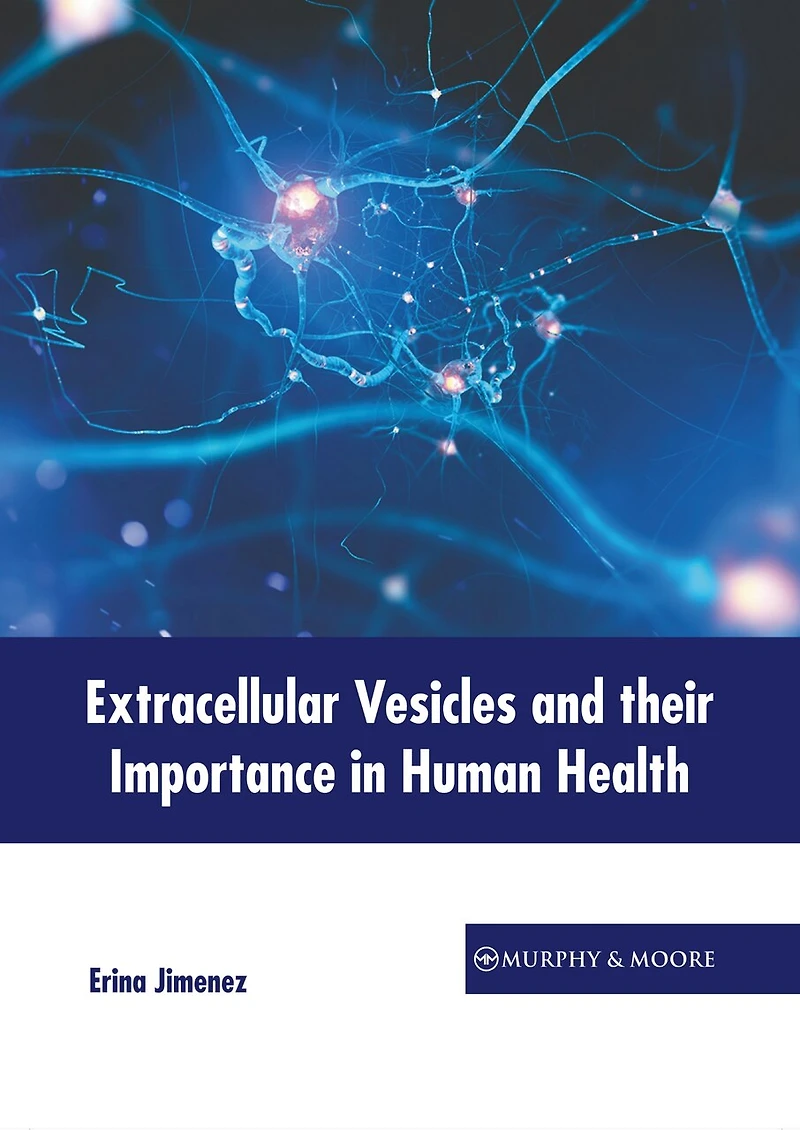
Extracellular Vesicles and their Importance in Human Health in Ottawa, ON
Current price: $209.43

Extracellular Vesicles and their Importance in Human Health in Ottawa, ON
Current price: $209.43
Loading Inventory...
Size: Hardcover
*Product information may vary - to confirm product availability, pricing, shipping and return information please contact Coles
Extracellular vesicles (EVs) are elements enfolded in a lipid bilayer membrane. Similar to exosomes, they are released by all living cells. They comprise a variety of bioactive molecules such as lipids, nucleic acids, metabolites and proteins. EVs have potential as a target for liquid biopsies because they can be detected in nearly all types of body fluids, including breast milk, blood, saliva, ascites and urine. Tumor-secreted EVs are important mediators for intercellular communication in both local and remote microenvironments. They are naturally taken up by the target cells and could be utilized to transfer therapeutic agents. It is crucial to recognize EV subtypes in order to determine which pathways are influenced by EVs and which subtypes can be targeted in liquid biopsies or therapeutic methods. This book provides comprehensive insights on extracellular vesicles. It is compiled in such a manner, that it will provide an in-depth knowledge about the role of extracellular vesicles in human health. This book will serve as a reference to a broad spectrum of readers.
Extracellular vesicles (EVs) are elements enfolded in a lipid bilayer membrane. Similar to exosomes, they are released by all living cells. They comprise a variety of bioactive molecules such as lipids, nucleic acids, metabolites and proteins. EVs have potential as a target for liquid biopsies because they can be detected in nearly all types of body fluids, including breast milk, blood, saliva, ascites and urine. Tumor-secreted EVs are important mediators for intercellular communication in both local and remote microenvironments. They are naturally taken up by the target cells and could be utilized to transfer therapeutic agents. It is crucial to recognize EV subtypes in order to determine which pathways are influenced by EVs and which subtypes can be targeted in liquid biopsies or therapeutic methods. This book provides comprehensive insights on extracellular vesicles. It is compiled in such a manner, that it will provide an in-depth knowledge about the role of extracellular vesicles in human health. This book will serve as a reference to a broad spectrum of readers.
You May Also Like















More About Coles at Bayshore Shopping Centre
Coles is renowned for its outstanding customer service and great selection of books. Along with the vast array of magazines, stationary, audio-books, children's literature, fiction, non-fiction and reference books, you can find accessories to make your reading experience more pleasurable. We can recommend the very best in reading today. We will help you search our titles for exactly what you need, and if we do not have it in stock, we will order it for you.
100 Bayshore Dr, Nepean, ON K2B 8C1, Canada
Find Coles at Bayshore Shopping Centre in Ottawa, ON
Visit Coles at Bayshore Shopping Centre in Ottawa, ON