

Give the Gift of Choice!
Too many options? Treat your friends and family to their favourite stores with a Bayshore Shopping Centre gift card, redeemable at participating retailers throughout the centre. Click below to purchase yours today!Purchase HereHome
Extrasynaptic GABAA Receptors
Coles
Loading Inventory...
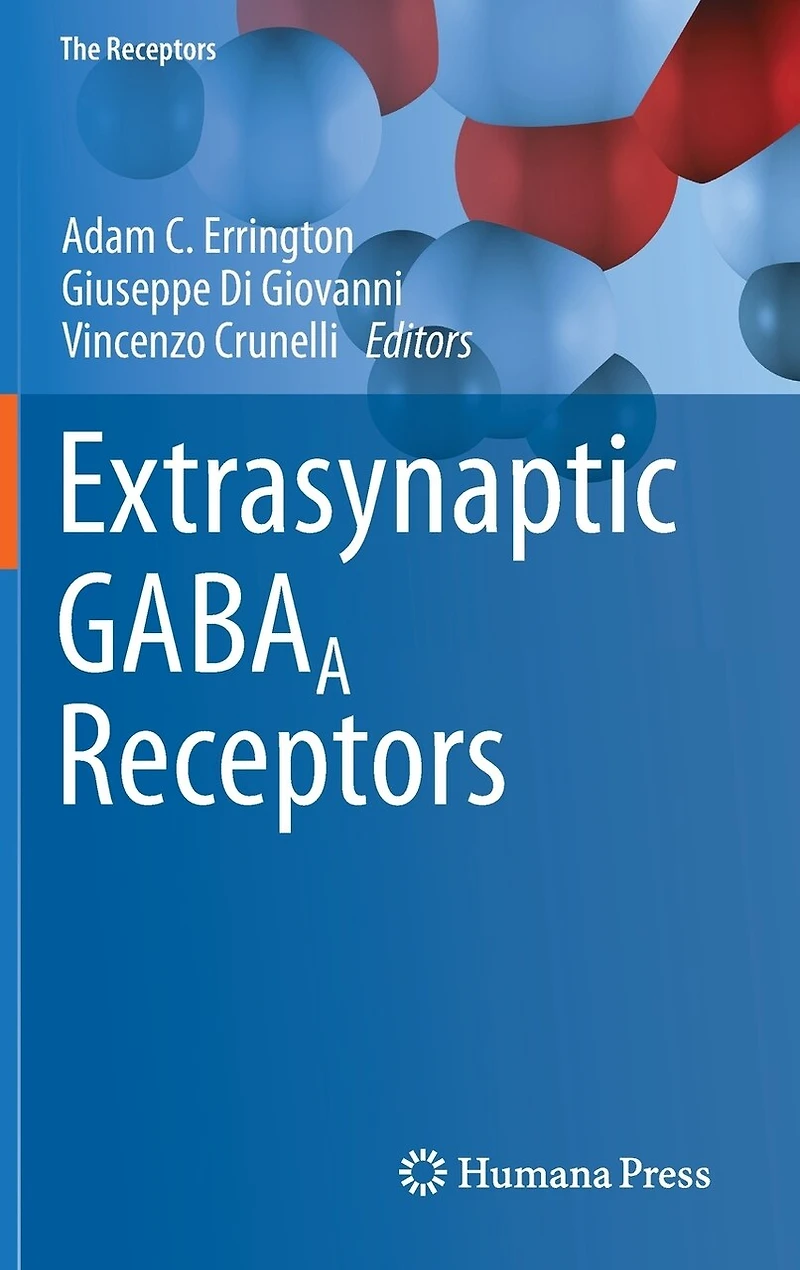
Extrasynaptic GABAA Receptors in Ottawa, ON
Current price: $160.95

Extrasynaptic GABAA Receptors in Ottawa, ON
Current price: $160.95
Loading Inventory...
Size: Hardcover
*Product information may vary - to confirm product availability, pricing, shipping and return information please contact Coles
GABA is the principal inhibitory neurotransmitter in the CNS and acts via GABAA and GABAB receptors. Recently, a novel form of GABAA receptor-mediated inhibition, termed "tonic" inhibition, has been described. Whereas synaptic GABAA receptors underlie classical "phasic" GABAA receptor-mediated inhibition (inhibitory postsynaptic currents), tonic GABAA receptor-mediated inhibition results from the activation of extrasynaptic receptors by low concentrations of ambient GABA. Extrasynaptic GABAA receptors are composed of receptor subunits that convey biophysical properties ideally suited to the generation of persistent inhibition and are pharmacologically and functionally distinct from their synaptic counterparts. This book highlights ongoing work examining the properties of recombinant and native extrasynaptic GABAA receptors and their preferential targeting by endogenous and clinically relevant agents. In addition, it emphasizes the important role of extrasynaptic GABAA receptors in GABAergic inhibition throughout the CNS and identifies them as a major player in both physiological and pathophysiological processes.
GABA is the principal inhibitory neurotransmitter in the CNS and acts via GABAA and GABAB receptors. Recently, a novel form of GABAA receptor-mediated inhibition, termed "tonic" inhibition, has been described. Whereas synaptic GABAA receptors underlie classical "phasic" GABAA receptor-mediated inhibition (inhibitory postsynaptic currents), tonic GABAA receptor-mediated inhibition results from the activation of extrasynaptic receptors by low concentrations of ambient GABA. Extrasynaptic GABAA receptors are composed of receptor subunits that convey biophysical properties ideally suited to the generation of persistent inhibition and are pharmacologically and functionally distinct from their synaptic counterparts. This book highlights ongoing work examining the properties of recombinant and native extrasynaptic GABAA receptors and their preferential targeting by endogenous and clinically relevant agents. In addition, it emphasizes the important role of extrasynaptic GABAA receptors in GABAergic inhibition throughout the CNS and identifies them as a major player in both physiological and pathophysiological processes.
You May Also Like









More About Coles at Bayshore Shopping Centre
Coles is renowned for its outstanding customer service and great selection of books. Along with the vast array of magazines, stationary, audio-books, children's literature, fiction, non-fiction and reference books, you can find accessories to make your reading experience more pleasurable. We can recommend the very best in reading today. We will help you search our titles for exactly what you need, and if we do not have it in stock, we will order it for you.
100 Bayshore Dr, Nepean, ON K2B 8C1, Canada
Find Coles at Bayshore Shopping Centre in Ottawa, ON
Visit Coles at Bayshore Shopping Centre in Ottawa, ON