

Give the Gift of Choice!
Too many options? Treat your friends and family to their favourite stores with a Bayshore Shopping Centre gift card, redeemable at participating retailers throughout the centre. Click below to purchase yours today!Purchase HereHome
Fact, Fiction, and Forecast: Fourth Edition
Coles
Loading Inventory...
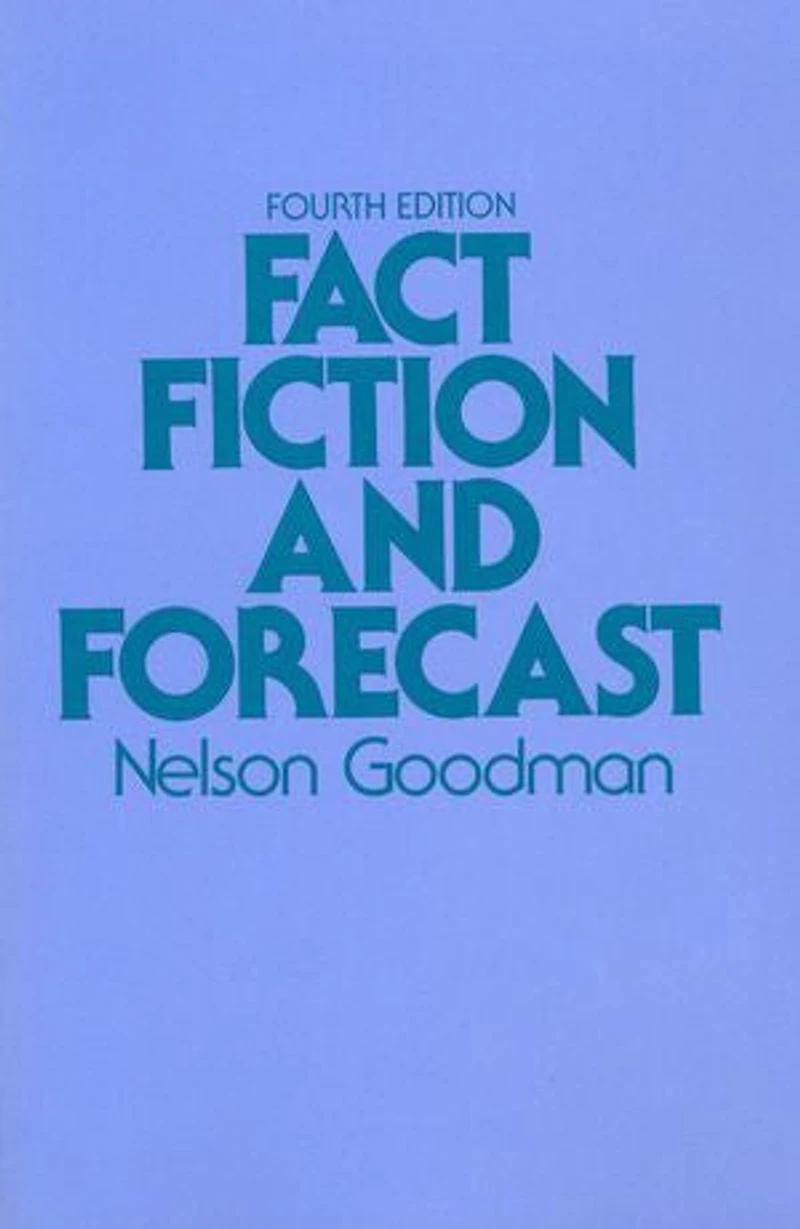
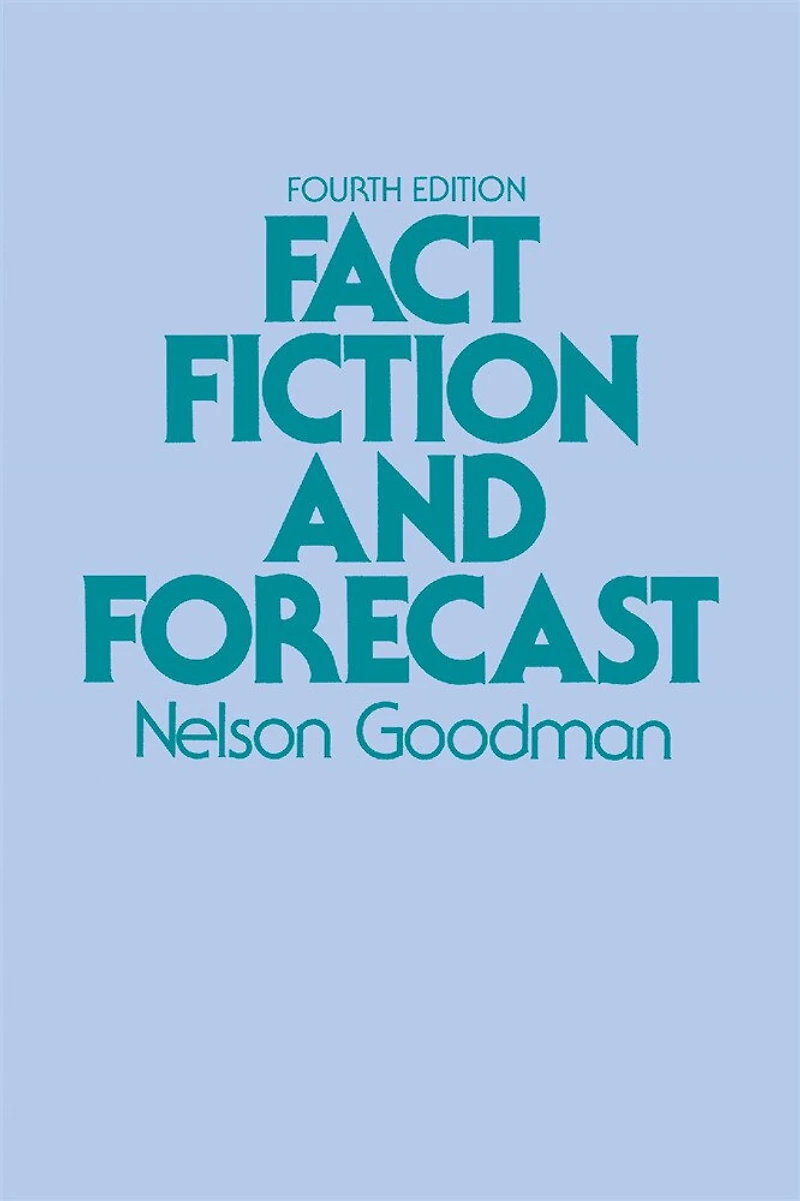
Fact, Fiction, and Forecast: Fourth Edition in Ottawa, ON
Current price: $26.09
Original price: $32.57

Fact, Fiction, and Forecast: Fourth Edition in Ottawa, ON
Current price: $26.09
Original price: $32.57
Loading Inventory...
Size: Kobo eBook
*Product information may vary - to confirm product availability, pricing, shipping and return information please contact Coles
Here, in a new edition, is Nelson Goodman’s provocative philosophical classic—a book that, according to Science , “raised a storm of controversy” when it was first published in 1954, and one that remains on the front lines of philosophical debate.
How is it that we feel confident in generalizing from experience in some ways but not in others? How are generalizations that are warranted to be distinguished from those that are not? Goodman shows that these questions resist formal solution and his demonstration has been taken by nativists like Chomsky and Fodor as proof that neither scientific induction nor ordinary learning can proceed without an a priori , or innate, ordering of hypotheses.
In his new foreword to this edition, Hilary Putnam forcefully rejects these nativist claims. The controversy surrounding these unsolved problems is as relevant to the psychology of cognitive development as it is to the philosophy of science. No serious student of either discipline can afford to misunderstand Goodman’s classic argument.
Here, in a new edition, is Nelson Goodman’s provocative philosophical classic—a book that, according to Science , “raised a storm of controversy” when it was first published in 1954, and one that remains on the front lines of philosophical debate.
How is it that we feel confident in generalizing from experience in some ways but not in others? How are generalizations that are warranted to be distinguished from those that are not? Goodman shows that these questions resist formal solution and his demonstration has been taken by nativists like Chomsky and Fodor as proof that neither scientific induction nor ordinary learning can proceed without an a priori , or innate, ordering of hypotheses.
In his new foreword to this edition, Hilary Putnam forcefully rejects these nativist claims. The controversy surrounding these unsolved problems is as relevant to the psychology of cognitive development as it is to the philosophy of science. No serious student of either discipline can afford to misunderstand Goodman’s classic argument.








More About Coles at Bayshore Shopping Centre
Coles is renowned for its outstanding customer service and great selection of books. Along with the vast array of magazines, stationary, audio-books, children's literature, fiction, non-fiction and reference books, you can find accessories to make your reading experience more pleasurable. We can recommend the very best in reading today. We will help you search our titles for exactly what you need, and if we do not have it in stock, we will order it for you.
100 Bayshore Dr, Nepean, ON K2B 8C1, Canada
Find Coles at Bayshore Shopping Centre in Ottawa, ON
Visit Coles at Bayshore Shopping Centre in Ottawa, ON