

Give the Gift of Choice!
Too many options? Treat your friends and family to their favourite stores with a Bayshore Shopping Centre gift card, redeemable at participating retailers throughout the centre. Click below to purchase yours today!Purchase HereHome
Factors Influencing Child Survival in Tanzania: Comparative Analysis of Diverse Deprived Rural Villages
Coles
Loading Inventory...
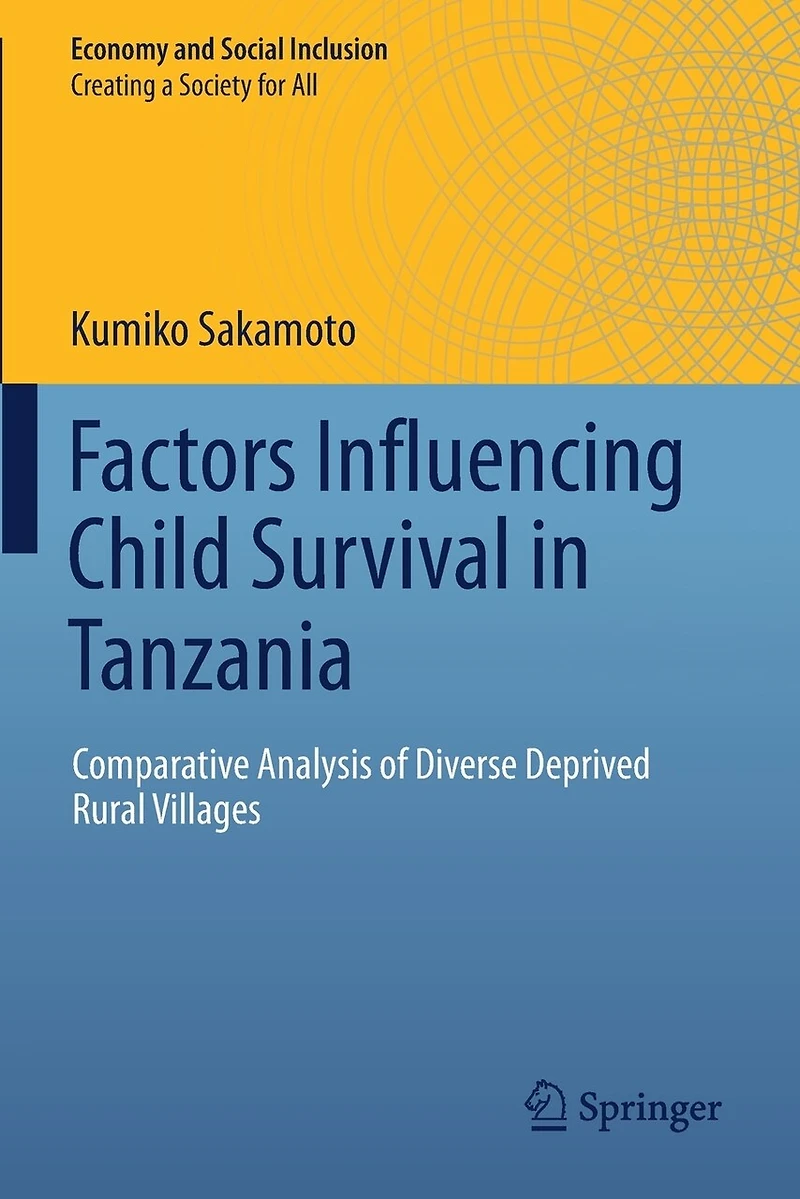
Factors Influencing Child Survival in Tanzania: Comparative Analysis of Diverse Deprived Rural Villages in Ottawa, ON
Current price: $175.50

Factors Influencing Child Survival in Tanzania: Comparative Analysis of Diverse Deprived Rural Villages in Ottawa, ON
Current price: $175.50
Loading Inventory...
Size: Paperback
*Product information may vary - to confirm product availability, pricing, shipping and return information please contact Coles
This book addresses the essential topic of child survival in Tanzania, especially focusing on the role of mutual assistance, which has received little attention to date. Further, it identifies a range of key factors for child survival by combining a literature review, regional data analysis, and case studies. These studies center on rural villages in high Under-5 mortality rate (U5MR) regions and assess their strengths and weaknesses regarding child survival. By focusing on deprived rural areas as of 2002 and evaluating the improvements in the 2012 census data, the book also highlights the potential held by rural semi -subsistence economies.
An analysis of the focus villages indicates that children in food-sharing circles had better chances of survival. However, food sharing is not necessarily inclusive; a significant number of children have fallen out of such circles, especially in mainland villages. Furthermore, monetary support for children's medicine has often failed to arrive in time. Lastly, the book argues that, in addition to direct factors such as access to health services, water and sanitation, food intake, and education, it is essential that children receive inclusive support at various levels: family, community, village, national, and international.
This book addresses the essential topic of child survival in Tanzania, especially focusing on the role of mutual assistance, which has received little attention to date. Further, it identifies a range of key factors for child survival by combining a literature review, regional data analysis, and case studies. These studies center on rural villages in high Under-5 mortality rate (U5MR) regions and assess their strengths and weaknesses regarding child survival. By focusing on deprived rural areas as of 2002 and evaluating the improvements in the 2012 census data, the book also highlights the potential held by rural semi -subsistence economies.
An analysis of the focus villages indicates that children in food-sharing circles had better chances of survival. However, food sharing is not necessarily inclusive; a significant number of children have fallen out of such circles, especially in mainland villages. Furthermore, monetary support for children's medicine has often failed to arrive in time. Lastly, the book argues that, in addition to direct factors such as access to health services, water and sanitation, food intake, and education, it is essential that children receive inclusive support at various levels: family, community, village, national, and international.
You May Also Like














More About Coles at Bayshore Shopping Centre
Coles is renowned for its outstanding customer service and great selection of books. Along with the vast array of magazines, stationary, audio-books, children's literature, fiction, non-fiction and reference books, you can find accessories to make your reading experience more pleasurable. We can recommend the very best in reading today. We will help you search our titles for exactly what you need, and if we do not have it in stock, we will order it for you.
100 Bayshore Dr, Nepean, ON K2B 8C1, Canada
Find Coles at Bayshore Shopping Centre in Ottawa, ON
Visit Coles at Bayshore Shopping Centre in Ottawa, ON