

Give the Gift of Choice!
Too many options? Treat your friends and family to their favourite stores with a Bayshore Shopping Centre gift card, redeemable at participating retailers throughout the centre. Click below to purchase yours today!Purchase HereHome
Fado and the Urban Poor in Portuguese Cinema of the 1930s and 1940s
Coles
Loading Inventory...
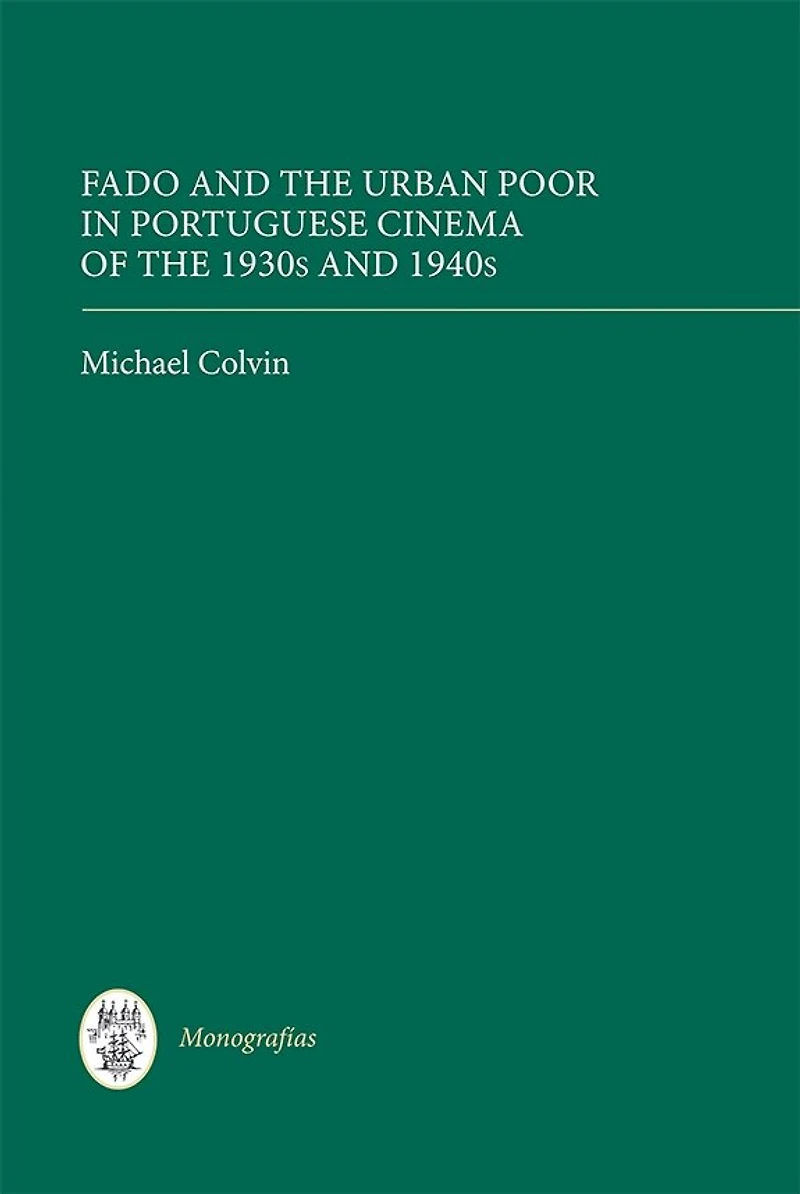
Fado and the Urban Poor in Portuguese Cinema of the 1930s and 1940s in Ottawa, ON
Current price: $124.45

Fado and the Urban Poor in Portuguese Cinema of the 1930s and 1940s in Ottawa, ON
Current price: $124.45
Loading Inventory...
Size: Hardcover
*Product information may vary - to confirm product availability, pricing, shipping and return information please contact Coles
A compelling account of the role of Fado and the fadista in Portuguese film and the wider culture.
Colvin studies the evolution of Fado music as the soundtrack to the Portuguese talkie. He analyzes the most successful Portuguese films of the first two decades of the Estado Novo era, showing how directors used the national songto promote the values of the young Regime regarding the poor inhabitants of Lisbon's popular neighborhoods. He considers the aesthetic, technological, and social advances that accompany the progress of the Estado Novo---Futurism;the development of sound film; the inception of national radio broadcast; access to the automobile; and urban renewal---within a historical context that considers Portugal's global profile at the time of António de Oliveira Salazar's rise to power and the inauguration of António Ferro's Secretariado da Propaganda Nacional; Portugal's role as a secret ally of the Falange during the Spanish Civil War; Lisbon's role as a neutral refuge during World War II; and the Portuguese colonial empire as an anachronism in the post-World War II years.
Colvin argues that Portuguese directors have exploited the growing popularity of the Fado and Lisbon's fadistas to dissuade citizens from alien values that promote individual ambitions and the notion of an easy life of poverty in the capital. As the public image of the Fado evolves, the fadista's role in film becomes more prominent and eventually the fadista is the protagonist and the Fado the principal concern of national film. The author exposes the irony that as the social profile of the Lisbon fadista improves with the international fame of singer Amália Rodrigues, Portuguese film perpetuates and validates the outdated characterization of the fadista as a social pariah that Leitão de Barros proposed in the first Portuguese talkie, A Severa (1931).
Michael Colvin is Associate Professor of HispanicStudies at Marymount Manhattan College.
A compelling account of the role of Fado and the fadista in Portuguese film and the wider culture.
Colvin studies the evolution of Fado music as the soundtrack to the Portuguese talkie. He analyzes the most successful Portuguese films of the first two decades of the Estado Novo era, showing how directors used the national songto promote the values of the young Regime regarding the poor inhabitants of Lisbon's popular neighborhoods. He considers the aesthetic, technological, and social advances that accompany the progress of the Estado Novo---Futurism;the development of sound film; the inception of national radio broadcast; access to the automobile; and urban renewal---within a historical context that considers Portugal's global profile at the time of António de Oliveira Salazar's rise to power and the inauguration of António Ferro's Secretariado da Propaganda Nacional; Portugal's role as a secret ally of the Falange during the Spanish Civil War; Lisbon's role as a neutral refuge during World War II; and the Portuguese colonial empire as an anachronism in the post-World War II years.
Colvin argues that Portuguese directors have exploited the growing popularity of the Fado and Lisbon's fadistas to dissuade citizens from alien values that promote individual ambitions and the notion of an easy life of poverty in the capital. As the public image of the Fado evolves, the fadista's role in film becomes more prominent and eventually the fadista is the protagonist and the Fado the principal concern of national film. The author exposes the irony that as the social profile of the Lisbon fadista improves with the international fame of singer Amália Rodrigues, Portuguese film perpetuates and validates the outdated characterization of the fadista as a social pariah that Leitão de Barros proposed in the first Portuguese talkie, A Severa (1931).
Michael Colvin is Associate Professor of HispanicStudies at Marymount Manhattan College.












More About Coles at Bayshore Shopping Centre
Coles is renowned for its outstanding customer service and great selection of books. Along with the vast array of magazines, stationary, audio-books, children's literature, fiction, non-fiction and reference books, you can find accessories to make your reading experience more pleasurable. We can recommend the very best in reading today. We will help you search our titles for exactly what you need, and if we do not have it in stock, we will order it for you.
100 Bayshore Dr, Nepean, ON K2B 8C1, Canada
Find Coles at Bayshore Shopping Centre in Ottawa, ON
Visit Coles at Bayshore Shopping Centre in Ottawa, ON