

Give the Gift of Choice!
Too many options? Treat your friends and family to their favourite stores with a Bayshore Shopping Centre gift card, redeemable at participating retailers throughout the centre. Click below to purchase yours today!Purchase HereHome
Fair Cooperation: A New Paradigm for Cultural Diplomacy and Arts Management
Coles
Loading Inventory...
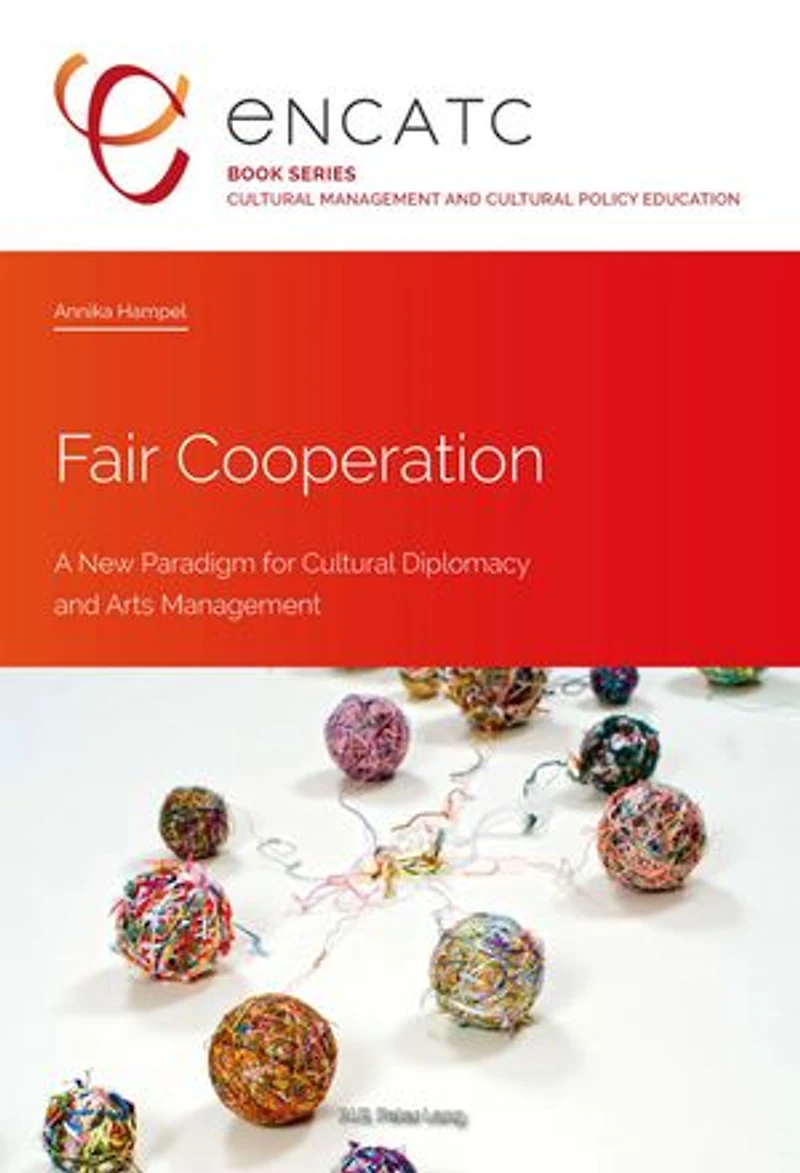
Fair Cooperation: A New Paradigm for Cultural Diplomacy and Arts Management in Ottawa, ON
Current price: $61.09
Original price: $76.34

Fair Cooperation: A New Paradigm for Cultural Diplomacy and Arts Management in Ottawa, ON
Current price: $61.09
Original price: $76.34
Loading Inventory...
Size: Kobo eBook
*Product information may vary - to confirm product availability, pricing, shipping and return information please contact Coles
European cultural policy is based on the exchange of artists. It has devoted decades to the objective of encouraging dialogue and enabling cooperative production; especially between the countries of the so-called ‘Global North’ and ‘Global South’. Cultural policy makers and agents in Europe, such as those working in cultural institutions and at the ministries responsible for cultural relations, constantly stress their claims of a ‘dialogue of equals’. However, if and how cultural cooperations really are in practice brought to life on equal terms is an open question.
Annika Hampel analyzes the working conditions of partnerships to understand how current artistic collaborations function, what structures and processes they involve, on what premises and within what frameworks the collaborators work, and what challenges they have to cope with.The foundation of her reflections are the experiences and insights of actors in cooperative projects who are responsible for the implementation of the goals of the European Cultural Policies in practice.
Annika Hampel uses five case studies, which offer insights across the spectrum of artistic cooperation, to display the wide range of Indo-German collaborations in the arts. From her analysis of the practical reality, Annika Hampel develops and proposes cultural and political measures to foster a new culture of international cooperation on an equal footing. The author shows how to minimize power relations, promote cultural diversity, and exploit the underused potential of cooperative work.
European cultural policy is based on the exchange of artists. It has devoted decades to the objective of encouraging dialogue and enabling cooperative production; especially between the countries of the so-called ‘Global North’ and ‘Global South’. Cultural policy makers and agents in Europe, such as those working in cultural institutions and at the ministries responsible for cultural relations, constantly stress their claims of a ‘dialogue of equals’. However, if and how cultural cooperations really are in practice brought to life on equal terms is an open question.
Annika Hampel analyzes the working conditions of partnerships to understand how current artistic collaborations function, what structures and processes they involve, on what premises and within what frameworks the collaborators work, and what challenges they have to cope with.The foundation of her reflections are the experiences and insights of actors in cooperative projects who are responsible for the implementation of the goals of the European Cultural Policies in practice.
Annika Hampel uses five case studies, which offer insights across the spectrum of artistic cooperation, to display the wide range of Indo-German collaborations in the arts. From her analysis of the practical reality, Annika Hampel develops and proposes cultural and political measures to foster a new culture of international cooperation on an equal footing. The author shows how to minimize power relations, promote cultural diversity, and exploit the underused potential of cooperative work.
You May Also Like












More About Coles at Bayshore Shopping Centre
Coles is renowned for its outstanding customer service and great selection of books. Along with the vast array of magazines, stationary, audio-books, children's literature, fiction, non-fiction and reference books, you can find accessories to make your reading experience more pleasurable. We can recommend the very best in reading today. We will help you search our titles for exactly what you need, and if we do not have it in stock, we will order it for you.
100 Bayshore Dr, Nepean, ON K2B 8C1, Canada
Find Coles at Bayshore Shopping Centre in Ottawa, ON
Visit Coles at Bayshore Shopping Centre in Ottawa, ON