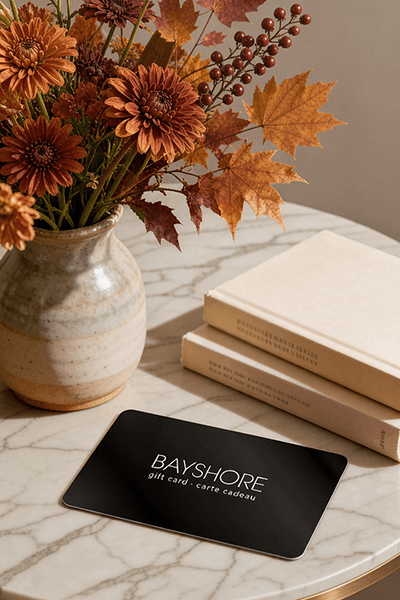
Too many options? Treat your friends and family to their favourite stores with a Bayshore Shopping Centre gift card, redeemable at participating retailers throughout the centre. Click below to purchase yours today!Purchase Here
Coles Fashioning an Empire: Textiles from Safavid Iran at Bayshore Shopping Centre in Ottawa, ON
*Product information may vary - to confirm product availability, pricing, shipping and return information please contact Coles
Magnificent examples of Safavid silks and their impact on 17th-century economy and society With their sumptuous surfaces, original designs and technical sophistication, luxury textiles played a critical role in the social, cultural, religious and economic life of Safavid Iran (1501–1722). Used for clothing, furnishing and even architecture, fabrics also functioned as important symbols of power and as ubiquitous forms of artistic expression. In the 17th century, they became the most lucrative economic commodity in Iran and were exported by land and sea to both Europe and the East, generating tremendous wealth and prosperity for the Safavid Empire. By employing the most talented designers and bringing the industry under state control, Shah ‘Abbas I built a flourishing silk economy that fueled an era of rich artistic development and cultural exchange. Fashioning an Empire captures this moment in time, showcasing masterpieces from the period complemented by manuscript illustrations and portraits depicting how the silk fabrics were worn by the elite of Iranian society.
Magnificent examples of Safavid silks and their impact on 17th-century economy and society With their sumptuous surfaces, original designs and technical sophistication, luxury textiles played a critical role in the social, cultural, religious and economic life of Safavid Iran (1501–1722). Used for clothing, furnishing and even architecture, fabrics also functioned as important symbols of power and as ubiquitous forms of artistic expression. In the 17th century, they became the most lucrative economic commodity in Iran and were exported by land and sea to both Europe and the East, generating tremendous wealth and prosperity for the Safavid Empire. By employing the most talented designers and bringing the industry under state control, Shah ‘Abbas I built a flourishing silk economy that fueled an era of rich artistic development and cultural exchange. Fashioning an Empire captures this moment in time, showcasing masterpieces from the period complemented by manuscript illustrations and portraits depicting how the silk fabrics were worn by the elite of Iranian society.
Coles is renowned for its outstanding customer service and great selection of books. Along with the vast array of magazines, stationary, audio-books, children's literature, fiction, non-fiction and reference books, you can find accessories to make your reading experience more pleasurable. We can recommend the very best in reading today. We will help you search our titles for exactly what you need, and if we do not have it in stock, we will order it for you.