

Give the Gift of Choice!
Too many options? Treat your friends and family to their favourite stores with a Bayshore Shopping Centre gift card, redeemable at participating retailers throughout the centre. Click below to purchase yours today!Purchase HereHome
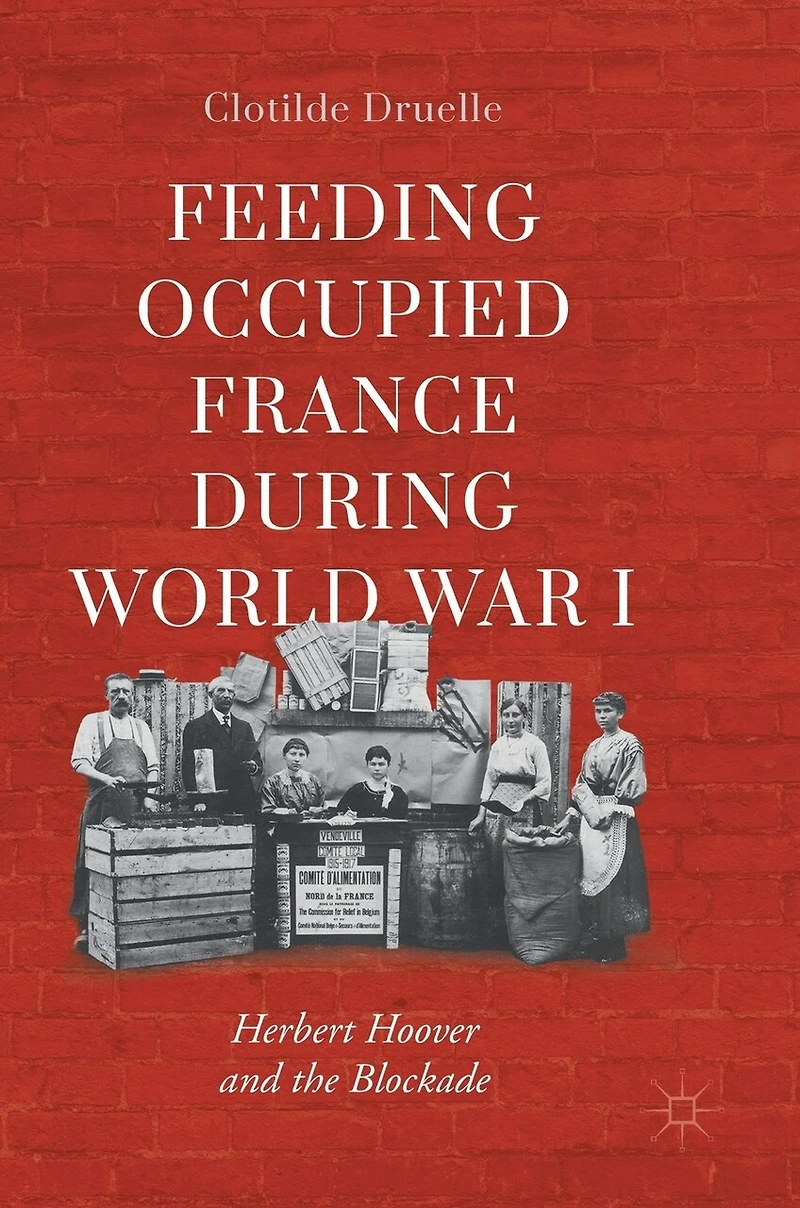
Feeding Occupied France during World War I: Herbert Hoover and the Blockade
Coles
Loading Inventory...
Feeding Occupied France during World War I: Herbert Hoover and the Blockade in Ottawa, ON
Current price: $145.95

Feeding Occupied France during World War I: Herbert Hoover and the Blockade in Ottawa, ON
Current price: $145.95
Loading Inventory...
Size: Hardcover
*Product information may vary - to confirm product availability, pricing, shipping and return information please contact Coles
This book examines the history of Herbert Hoover's Commission for Relief in Belgium, which supplied humanitarian aid to the millions of civilians trapped behind German lines in Belgium and Northern France during World War I. Here, Clotilde Druelle focuses on the little-known work of the CRB in Northern France, crossing continents and excavating neglected archives to tell the story of daily life under Allied blockade in the region. She shows how the survival of 2.3 million French civilians came to depend upon the transnational mobilization of a new sort of diplomatic actor-the non-governmental organization. Lacking formal authority, the leaders of the CRB claimed moral authority, introducing the concepts of a "humanitarian food emergency" and "humanitarian corridors" and ushering in a new age of international relations and American hegemony.
This book examines the history of Herbert Hoover's Commission for Relief in Belgium, which supplied humanitarian aid to the millions of civilians trapped behind German lines in Belgium and Northern France during World War I. Here, Clotilde Druelle focuses on the little-known work of the CRB in Northern France, crossing continents and excavating neglected archives to tell the story of daily life under Allied blockade in the region. She shows how the survival of 2.3 million French civilians came to depend upon the transnational mobilization of a new sort of diplomatic actor-the non-governmental organization. Lacking formal authority, the leaders of the CRB claimed moral authority, introducing the concepts of a "humanitarian food emergency" and "humanitarian corridors" and ushering in a new age of international relations and American hegemony.
You May Also Like










More About Coles at Bayshore Shopping Centre
Coles is renowned for its outstanding customer service and great selection of books. Along with the vast array of magazines, stationary, audio-books, children's literature, fiction, non-fiction and reference books, you can find accessories to make your reading experience more pleasurable. We can recommend the very best in reading today. We will help you search our titles for exactly what you need, and if we do not have it in stock, we will order it for you.
100 Bayshore Dr, Nepean, ON K2B 8C1, Canada
Find Coles at Bayshore Shopping Centre in Ottawa, ON
Visit Coles at Bayshore Shopping Centre in Ottawa, ON