

Give the Gift of Choice!
Too many options? Treat your friends and family to their favourite stores with a Bayshore Shopping Centre gift card, redeemable at participating retailers throughout the centre. Click below to purchase yours today!Purchase HereHome
Fictional Games: A Philosophy of Worldbuilding and Imaginary Play
Coles
Loading Inventory...
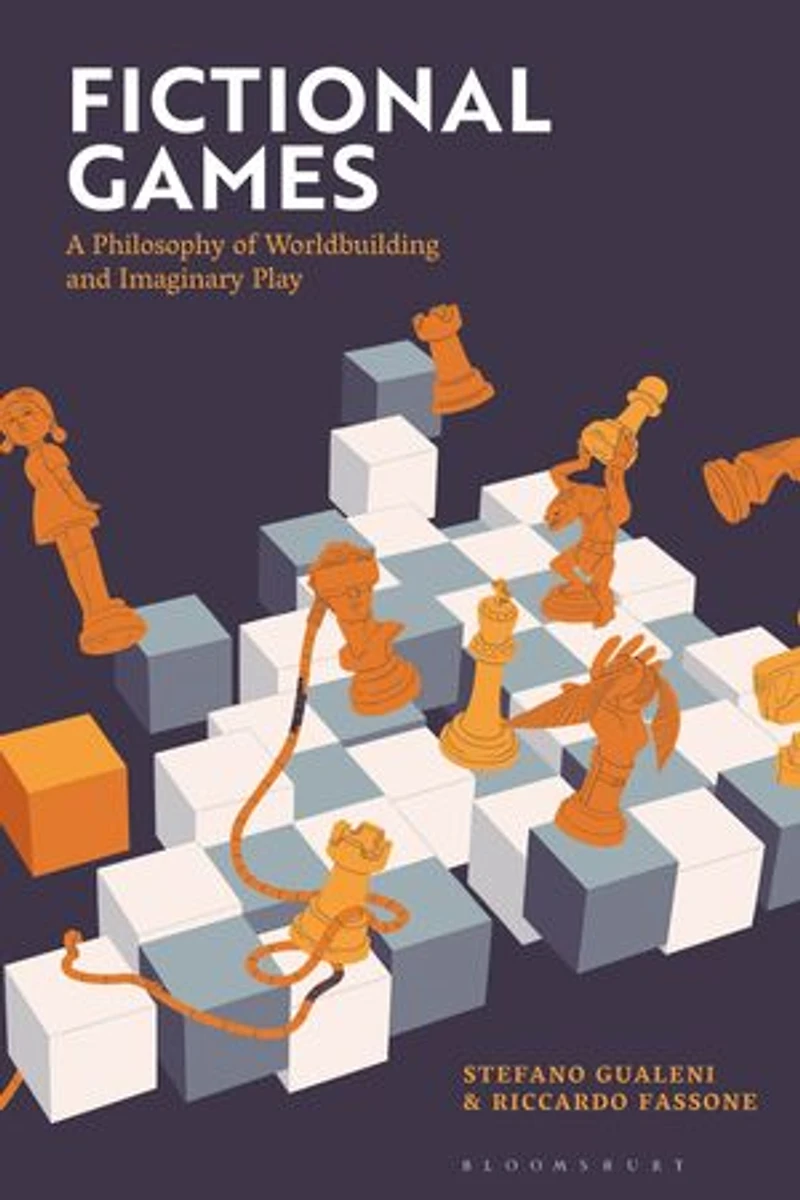
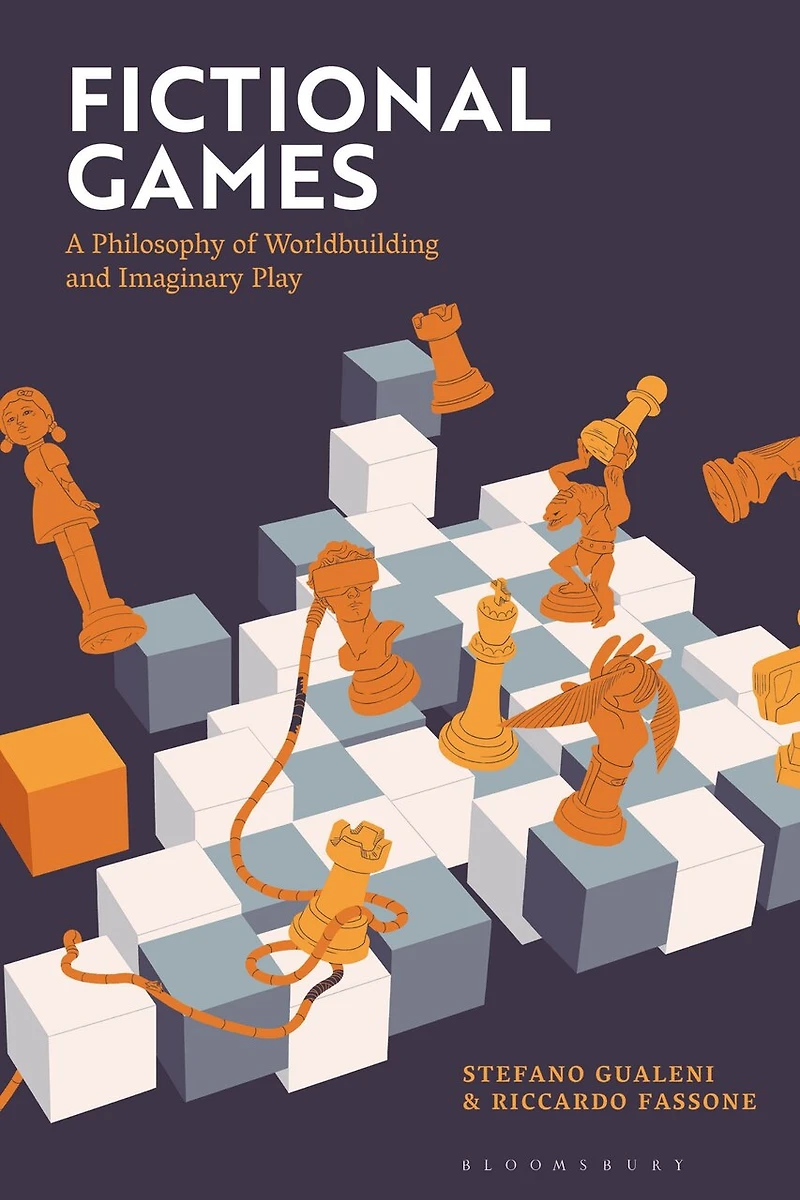
Fictional Games: A Philosophy of Worldbuilding and Imaginary Play in Ottawa, ON
Current price: $43.19
Original price: $53.95

Fictional Games: A Philosophy of Worldbuilding and Imaginary Play in Ottawa, ON
Current price: $43.19
Original price: $53.95
Loading Inventory...
Size: Kobo eBook
*Product information may vary - to confirm product availability, pricing, shipping and return information please contact Coles
What roles do imaginary games have in story-telling? Why do fiction authors outline the rules of a game that the audience will never play? Combining perspectives from philosophy, literary theory and game studies, this book provides the first in-depth investigation into the significance of fictional games within fictional worlds. Drawing from contemporary cinema and literature, from The Hunger Games to the science fiction of Iain M. Banks, Stefano Gualeni and Riccardo Fassone introduce five key functions that different types of imaginary games have in worldbuilding. First, fictional games can emphasize the dominant values and ideologies of the fictional society they belong to. Second, some imaginary games function in fictional worlds as critical, utopian tools, inspiring shifts in the thinking and political orientation of the fictional characters. Third, a few fictional games are conducive to the transcendence of a particular form of being, such as the overcoming of human corporeality. Fourth, imaginary games within works of fiction can deceptively blur the boundaries between the contingency of play and the irrevocable seriousness of "real life", either camouflaging life as a game or disguising a game as something with more permanent consequences. And fifth, they can function as meta-reflexive tools, suggesting critical and/or satirical perspectives on how actual games are designed, played, sold, manipulated, experienced, understood and utilized as part of our culture. With illustrations in every chapter bringing the imaginary games to life, Gualeni and Fassone creatively inspire us to consider fictional games anew: not as moments of playful reprieve in a storyline, but as significant and multi-layered expressive devices.
What roles do imaginary games have in story-telling? Why do fiction authors outline the rules of a game that the audience will never play? Combining perspectives from philosophy, literary theory and game studies, this book provides the first in-depth investigation into the significance of fictional games within fictional worlds. Drawing from contemporary cinema and literature, from The Hunger Games to the science fiction of Iain M. Banks, Stefano Gualeni and Riccardo Fassone introduce five key functions that different types of imaginary games have in worldbuilding. First, fictional games can emphasize the dominant values and ideologies of the fictional society they belong to. Second, some imaginary games function in fictional worlds as critical, utopian tools, inspiring shifts in the thinking and political orientation of the fictional characters. Third, a few fictional games are conducive to the transcendence of a particular form of being, such as the overcoming of human corporeality. Fourth, imaginary games within works of fiction can deceptively blur the boundaries between the contingency of play and the irrevocable seriousness of "real life", either camouflaging life as a game or disguising a game as something with more permanent consequences. And fifth, they can function as meta-reflexive tools, suggesting critical and/or satirical perspectives on how actual games are designed, played, sold, manipulated, experienced, understood and utilized as part of our culture. With illustrations in every chapter bringing the imaginary games to life, Gualeni and Fassone creatively inspire us to consider fictional games anew: not as moments of playful reprieve in a storyline, but as significant and multi-layered expressive devices.
You May Also Like









More About Coles at Bayshore Shopping Centre
Coles is renowned for its outstanding customer service and great selection of books. Along with the vast array of magazines, stationary, audio-books, children's literature, fiction, non-fiction and reference books, you can find accessories to make your reading experience more pleasurable. We can recommend the very best in reading today. We will help you search our titles for exactly what you need, and if we do not have it in stock, we will order it for you.
100 Bayshore Dr, Nepean, ON K2B 8C1, Canada
Find Coles at Bayshore Shopping Centre in Ottawa, ON
Visit Coles at Bayshore Shopping Centre in Ottawa, ON