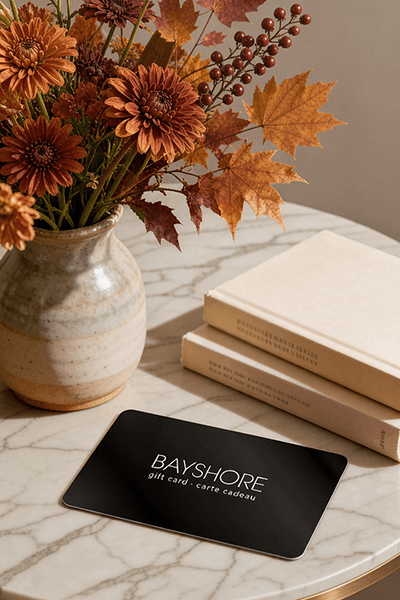
Too many options? Treat your friends and family to their favourite stores with a Bayshore Shopping Centre gift card, redeemable at participating retailers throughout the centre. Click below to purchase yours today!Purchase Here
Coles Fighting on the Cultural Front: U.S.-China Relations Cold War at Bayshore Shopping Centre in Ottawa, ON
*Product information may vary - to confirm product availability, pricing, shipping and return information please contact Coles
The Cold War conflict between the United States and the People’s Republic of China did not only encompass political, military, diplomatic, and economic clashes. The two powers also confronted each other on the cultural front. Despite a long history of extensive and mostly constructive cultural interactions, the two nations cut off existing ties in the late 1940s and early 1950s, and established new relationships aimed at attacking and isolating each other. Even after Beijing and Washington permitted cultural exchange as part of their effort to normalize diplomatic relations in the 1970s, the weaponization of cultural interactions continued.
Hongshan Li provides a groundbreaking account of the confrontation between the United States and the People’s Republic of China on the Cold War’s cultural front. He investigates the origins, evolution, and significance of the role of cultural interactions in the shifting relations between the United States and the PRC from the late 1940s through the late 1970s. Li demonstrates that the drastic transformation of U.S.-China cultural interactions not only altered the course of Sino-American cultural relations but also shaped the Cold War experience of the two peoples. Fighting on the Cultural Front examines topics such as competition and conflicts over Chinese students and scholars stranded in the United States, maneuvers on the authorization of journalistic exchanges, the establishment of Taiwan as a cultural bastion, and Beijing’s promotion of its revolutionary ideology through individual U.S. citizens, particularly African Americans. This important book offers a new lens on the history of U.S.-China relations and the cultural side of the global Cold War.
The Cold War conflict between the United States and the People’s Republic of China did not only encompass political, military, diplomatic, and economic clashes. The two powers also confronted each other on the cultural front. Despite a long history of extensive and mostly constructive cultural interactions, the two nations cut off existing ties in the late 1940s and early 1950s, and established new relationships aimed at attacking and isolating each other. Even after Beijing and Washington permitted cultural exchange as part of their effort to normalize diplomatic relations in the 1970s, the weaponization of cultural interactions continued.
Hongshan Li provides a groundbreaking account of the confrontation between the United States and the People’s Republic of China on the Cold War’s cultural front. He investigates the origins, evolution, and significance of the role of cultural interactions in the shifting relations between the United States and the PRC from the late 1940s through the late 1970s. Li demonstrates that the drastic transformation of U.S.-China cultural interactions not only altered the course of Sino-American cultural relations but also shaped the Cold War experience of the two peoples. Fighting on the Cultural Front examines topics such as competition and conflicts over Chinese students and scholars stranded in the United States, maneuvers on the authorization of journalistic exchanges, the establishment of Taiwan as a cultural bastion, and Beijing’s promotion of its revolutionary ideology through individual U.S. citizens, particularly African Americans. This important book offers a new lens on the history of U.S.-China relations and the cultural side of the global Cold War.
Coles is renowned for its outstanding customer service and great selection of books. Along with the vast array of magazines, stationary, audio-books, children's literature, fiction, non-fiction and reference books, you can find accessories to make your reading experience more pleasurable. We can recommend the very best in reading today. We will help you search our titles for exactly what you need, and if we do not have it in stock, we will order it for you.