

Give the Gift of Choice!
Too many options? Treat your friends and family to their favourite stores with a Bayshore Shopping Centre gift card, redeemable at participating retailers throughout the centre. Click below to purchase yours today!Purchase HereHome
Figuring Style: The Legacy of Renaissance Rhetoric
Coles
Loading Inventory...
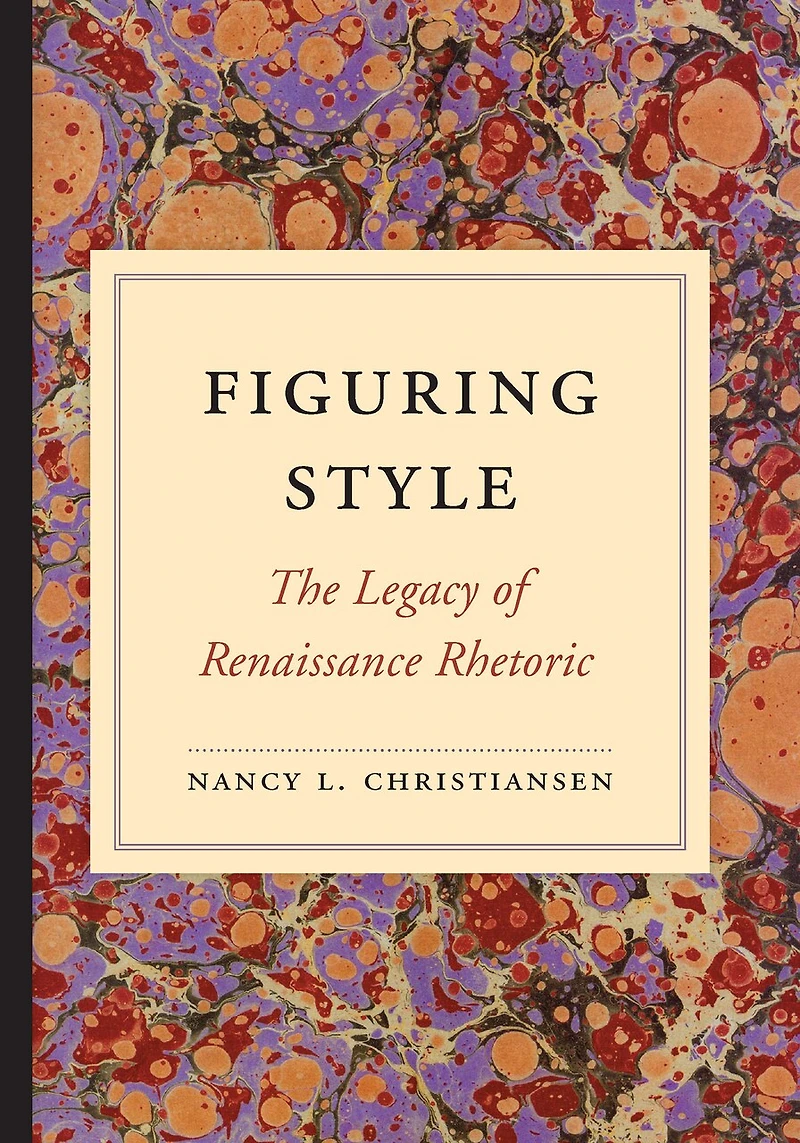
Figuring Style: The Legacy of Renaissance Rhetoric in Ottawa, ON
Current price: $171.00

Figuring Style: The Legacy of Renaissance Rhetoric in Ottawa, ON
Current price: $171.00
Loading Inventory...
Size: Hardcover
*Product information may vary - to confirm product availability, pricing, shipping and return information please contact Coles
Nancy L. Christiansen provides a broad and deep introduction to the discussion of rhetorical stylistic instruction in the English Renaissance. She argues that most contemporary characterizations of Renaissance stylistic theory are reductions obscuring the comprehensive composing and reading method taught by Renaissance rhetoricians. At the core of her discussion is the concept of figures, and Christiansen traces the nomenclature of the figures back to its origins, observing how these terms have mutated, fused, and confused over the centuries. Renaissance figures serve, she argues, to structure all three dimensions of language-speech, thought, and action. As a consequence, in the Renaissance paradigm there are not two types of language, figured and unfigured, but a single language composed of a web of figures. Christiansen makes the largest possible claims for the figures as representing discourse "forms" at all levels and as providing an ethical center for cultural practices. She also notes that the figures anticipate some elements of contemporary cognitive linguistics. Her discussion includes a substantial review of rhetorical history to create a lineage from Isocratean/Ciceronian rhetorical theory to the work of Ascham, Puttenham, and others. She also offers a demonstration of these principles in textual analysis by applying them to passages from Shakespeare''s Titus Andronicus and Sonnet 129, and Milton''s Paradise Lost. The resulting explications illustrate not only the primacy of figures to text and their substantive nature, but also the comprehensiveness and insightfulness of such a reading method. Completing her treatment of Renaissance style is a comprehensive handlist of figures, from phonetic and morphological through logical, discoursal, and qualitative categories, along with definitions and examples from both classical and Renaissance sources. The result is a handbook that demystifies Renaissance theory and practice of style in its own historical, philosophical, and pedagogical contexts. Christiansen''s comprehensive historical analysis, supported by a wealth of textual documentation, offers an erudite revision of an important chapter in the history of style and rhetoric.
Nancy L. Christiansen provides a broad and deep introduction to the discussion of rhetorical stylistic instruction in the English Renaissance. She argues that most contemporary characterizations of Renaissance stylistic theory are reductions obscuring the comprehensive composing and reading method taught by Renaissance rhetoricians. At the core of her discussion is the concept of figures, and Christiansen traces the nomenclature of the figures back to its origins, observing how these terms have mutated, fused, and confused over the centuries. Renaissance figures serve, she argues, to structure all three dimensions of language-speech, thought, and action. As a consequence, in the Renaissance paradigm there are not two types of language, figured and unfigured, but a single language composed of a web of figures. Christiansen makes the largest possible claims for the figures as representing discourse "forms" at all levels and as providing an ethical center for cultural practices. She also notes that the figures anticipate some elements of contemporary cognitive linguistics. Her discussion includes a substantial review of rhetorical history to create a lineage from Isocratean/Ciceronian rhetorical theory to the work of Ascham, Puttenham, and others. She also offers a demonstration of these principles in textual analysis by applying them to passages from Shakespeare''s Titus Andronicus and Sonnet 129, and Milton''s Paradise Lost. The resulting explications illustrate not only the primacy of figures to text and their substantive nature, but also the comprehensiveness and insightfulness of such a reading method. Completing her treatment of Renaissance style is a comprehensive handlist of figures, from phonetic and morphological through logical, discoursal, and qualitative categories, along with definitions and examples from both classical and Renaissance sources. The result is a handbook that demystifies Renaissance theory and practice of style in its own historical, philosophical, and pedagogical contexts. Christiansen''s comprehensive historical analysis, supported by a wealth of textual documentation, offers an erudite revision of an important chapter in the history of style and rhetoric.
You May Also Like








More About Coles at Bayshore Shopping Centre
Coles is renowned for its outstanding customer service and great selection of books. Along with the vast array of magazines, stationary, audio-books, children's literature, fiction, non-fiction and reference books, you can find accessories to make your reading experience more pleasurable. We can recommend the very best in reading today. We will help you search our titles for exactly what you need, and if we do not have it in stock, we will order it for you.
100 Bayshore Dr, Nepean, ON K2B 8C1, Canada
Find Coles at Bayshore Shopping Centre in Ottawa, ON
Visit Coles at Bayshore Shopping Centre in Ottawa, ON