

Give the Gift of Choice!
Too many options? Treat your friends and family to their favourite stores with a Bayshore Shopping Centre gift card, redeemable at participating retailers throughout the centre. Click below to purchase yours today!Purchase HereHome
Fingerprints: The Strange Case Of Matthew Mcclaughry And Billy The Axeman
Coles
Loading Inventory...
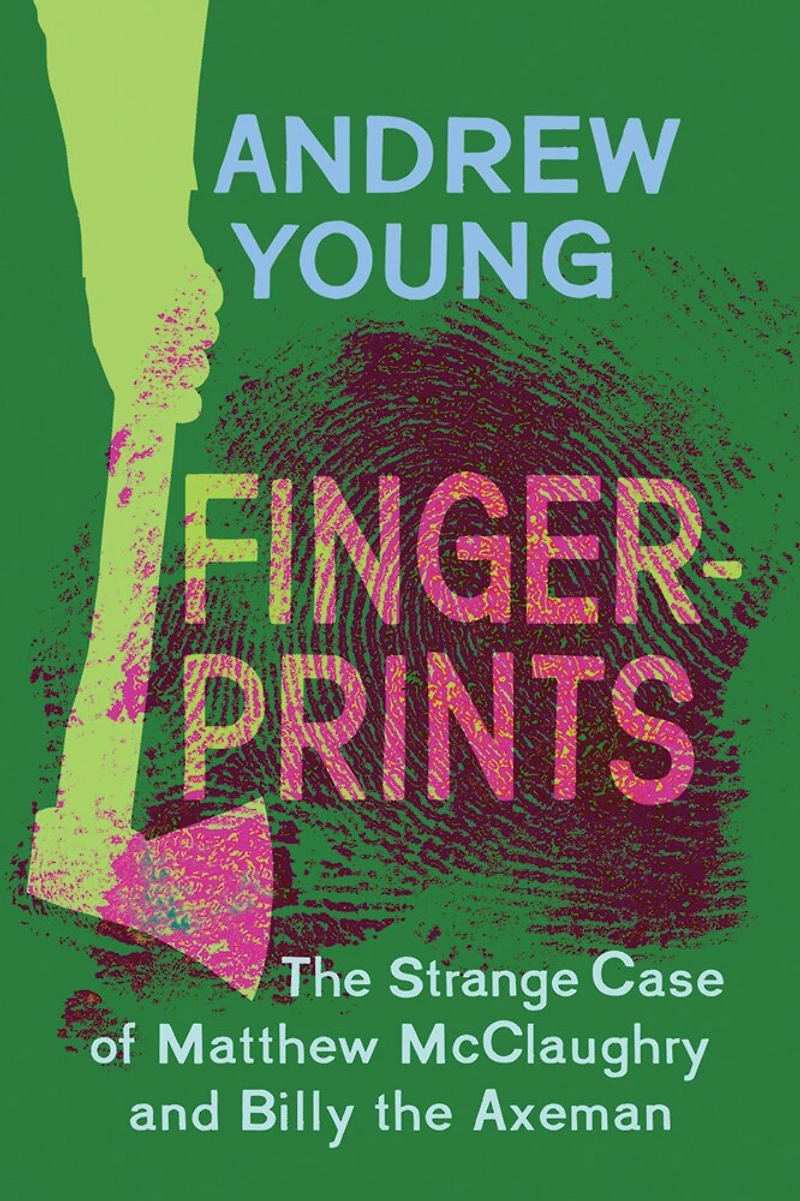
Fingerprints: The Strange Case Of Matthew Mcclaughry And Billy The Axeman in Ottawa, ON
Current price: $36.50

Fingerprints: The Strange Case Of Matthew Mcclaughry And Billy The Axeman in Ottawa, ON
Current price: $36.50
Loading Inventory...
Size: Hardcover
*Product information may vary - to confirm product availability, pricing, shipping and return information please contact Coles
The Birth of Modern Crime Scene Investigation and the Sensational Murders that Riveted a Nation
In 1904, the United States was formally introduced to the science of fingerprint identification. Scotland Yard had sent one of their best and brightest to the St. Louis World’s Fair to educate American law enforcement on how to use fingerprints in the pursuit of solving crimes and catching criminals. One of the students was Matthew McClaughry, head clerk at Leavenworth Federal Prison and an agent for the Department of Justice. McClaughry would take what he had learned from Scotland Yard and teach it to police, prison clerks, and others in law enforcement. Then the killings began. In 1911, a family in Oregon and a couple in Washington State were murdered while they slept. The killer in both crimes used an axe he found at each home. The killings were swift and silent. The axe murders continued—Colorado, Illinois, Kansas—but local police and sheriffs were confident their killer was not “Billy the Axeman,” as some began to call the possible serial killer. The case took an ominous turn one June evening in 1912, when an axewielding murderer extinguished eight souls in a single house in Villisca, Iowa. With the nation desperate to have the crimes solved, Matthew McClaughry was called in to try and find latent fingerprints or other evidence that could lead them to the killer.
In Fingerprints : The Strange Case of Matthew McClaughry and Billy the Axeman , Andrew Young once again delves into a significant historical crime, analyzing what we know about the cases—the victims, the suspects, the evidence—and how each was investigated. Using the history of fingerprint identification to frame his narrative, the author chronicles the early successes and failures of this new technique, including the case of Billy the Axeman. No one was charged with any of the murders and, like Jack the Ripper, the identity of the killer or killers has disappeared into speculation and legend. The fingerprint database pioneered by McClaughry, however, remains a major national tool in crime scene investigation.
The Birth of Modern Crime Scene Investigation and the Sensational Murders that Riveted a Nation
In 1904, the United States was formally introduced to the science of fingerprint identification. Scotland Yard had sent one of their best and brightest to the St. Louis World’s Fair to educate American law enforcement on how to use fingerprints in the pursuit of solving crimes and catching criminals. One of the students was Matthew McClaughry, head clerk at Leavenworth Federal Prison and an agent for the Department of Justice. McClaughry would take what he had learned from Scotland Yard and teach it to police, prison clerks, and others in law enforcement. Then the killings began. In 1911, a family in Oregon and a couple in Washington State were murdered while they slept. The killer in both crimes used an axe he found at each home. The killings were swift and silent. The axe murders continued—Colorado, Illinois, Kansas—but local police and sheriffs were confident their killer was not “Billy the Axeman,” as some began to call the possible serial killer. The case took an ominous turn one June evening in 1912, when an axewielding murderer extinguished eight souls in a single house in Villisca, Iowa. With the nation desperate to have the crimes solved, Matthew McClaughry was called in to try and find latent fingerprints or other evidence that could lead them to the killer.
In Fingerprints : The Strange Case of Matthew McClaughry and Billy the Axeman , Andrew Young once again delves into a significant historical crime, analyzing what we know about the cases—the victims, the suspects, the evidence—and how each was investigated. Using the history of fingerprint identification to frame his narrative, the author chronicles the early successes and failures of this new technique, including the case of Billy the Axeman. No one was charged with any of the murders and, like Jack the Ripper, the identity of the killer or killers has disappeared into speculation and legend. The fingerprint database pioneered by McClaughry, however, remains a major national tool in crime scene investigation.
You May Also Like









More About Coles at Bayshore Shopping Centre
Coles is renowned for its outstanding customer service and great selection of books. Along with the vast array of magazines, stationary, audio-books, children's literature, fiction, non-fiction and reference books, you can find accessories to make your reading experience more pleasurable. We can recommend the very best in reading today. We will help you search our titles for exactly what you need, and if we do not have it in stock, we will order it for you.
100 Bayshore Dr, Nepean, ON K2B 8C1, Canada
Find Coles at Bayshore Shopping Centre in Ottawa, ON
Visit Coles at Bayshore Shopping Centre in Ottawa, ON