

Give the Gift of Choice!
Too many options? Treat your friends and family to their favourite stores with a Bayshore Shopping Centre gift card, redeemable at participating retailers throughout the centre. Click below to purchase yours today!Purchase HereHome
Flak-Artillerie
Coles
Loading Inventory...
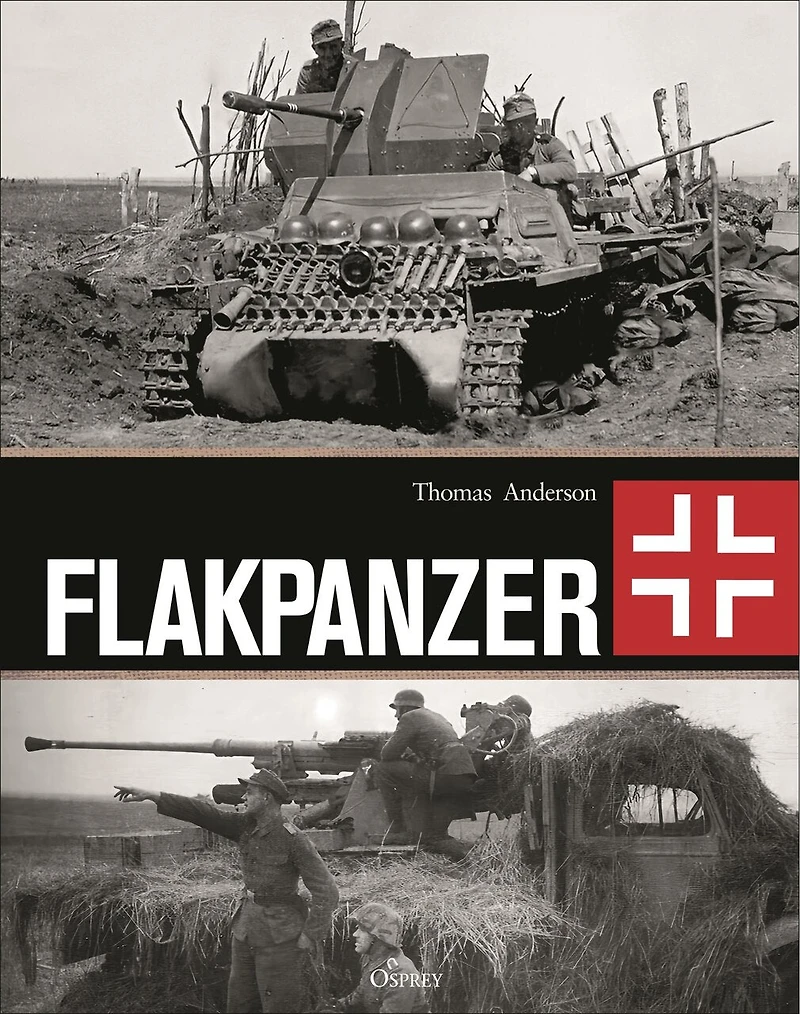
Flak-Artillerie in Ottawa, ON
Current price: $67.00

Flak-Artillerie in Ottawa, ON
Current price: $67.00
Loading Inventory...
Size: Hardcover
*Product information may vary - to confirm product availability, pricing, shipping and return information please contact Coles
Based on first-hand accounts, original documentation and unpublished images, this is a highly illustrated history of the Flakpanzer in World War II.
As the war progressed, Allied and Soviet forces began to deploy ground-attack aircraft armed with cannons, bombs or rockets to halt German armoured columns. Consequently, field commanders began to demand for their units to be issued with effective armoured anti-aircraft weapons.
Renowned armour expert Thomas Anderson explains how the weapons were first mounted on light trucks and then, more effectively, on the chassis of light, medium or heavy half-tracks before orders were issued for a dedicated armoured Flakpanzer – the 2cm Flakpanzer 38(t) based on the chassis of a Czech-built PzKpfw 38(t). The effectiveness of this type saw the development of four further vehicles on the PzKpfw IV chassis: FlakPz IV Wirbelwind (whirlwind), the 3.7cm FlaK 43 L/50 Ostwind (east wind), the 3.7cm FlaK 43 L/60 Möbelwagen (furniture van) and the 2cm Vierlingsflak 38 L/55. The final stages of the war also saw German field engineers mounting Flak weapons on all types of heavy truck or half-track chassis available.
Drawing on after-action reports, original wartime documents and rare and previously unseen photographs, this is a comprehensive and fully illustrated study of the German development of Flakpanzers throughout World War II.
Based on first-hand accounts, original documentation and unpublished images, this is a highly illustrated history of the Flakpanzer in World War II.
As the war progressed, Allied and Soviet forces began to deploy ground-attack aircraft armed with cannons, bombs or rockets to halt German armoured columns. Consequently, field commanders began to demand for their units to be issued with effective armoured anti-aircraft weapons.
Renowned armour expert Thomas Anderson explains how the weapons were first mounted on light trucks and then, more effectively, on the chassis of light, medium or heavy half-tracks before orders were issued for a dedicated armoured Flakpanzer – the 2cm Flakpanzer 38(t) based on the chassis of a Czech-built PzKpfw 38(t). The effectiveness of this type saw the development of four further vehicles on the PzKpfw IV chassis: FlakPz IV Wirbelwind (whirlwind), the 3.7cm FlaK 43 L/50 Ostwind (east wind), the 3.7cm FlaK 43 L/60 Möbelwagen (furniture van) and the 2cm Vierlingsflak 38 L/55. The final stages of the war also saw German field engineers mounting Flak weapons on all types of heavy truck or half-track chassis available.
Drawing on after-action reports, original wartime documents and rare and previously unseen photographs, this is a comprehensive and fully illustrated study of the German development of Flakpanzers throughout World War II.
You May Also Like














More About Coles at Bayshore Shopping Centre
Coles is renowned for its outstanding customer service and great selection of books. Along with the vast array of magazines, stationary, audio-books, children's literature, fiction, non-fiction and reference books, you can find accessories to make your reading experience more pleasurable. We can recommend the very best in reading today. We will help you search our titles for exactly what you need, and if we do not have it in stock, we will order it for you.
100 Bayshore Dr, Nepean, ON K2B 8C1, Canada
Find Coles at Bayshore Shopping Centre in Ottawa, ON
Visit Coles at Bayshore Shopping Centre in Ottawa, ON