

Give the Gift of Choice!
Too many options? Treat your friends and family to their favourite stores with a Bayshore Shopping Centre gift card, redeemable at participating retailers throughout the centre. Click below to purchase yours today!Purchase HereHome
For-Profit Colleges and Universities: Their Markets, Regulation, Performance, Place Higher Education
Coles
Loading Inventory...
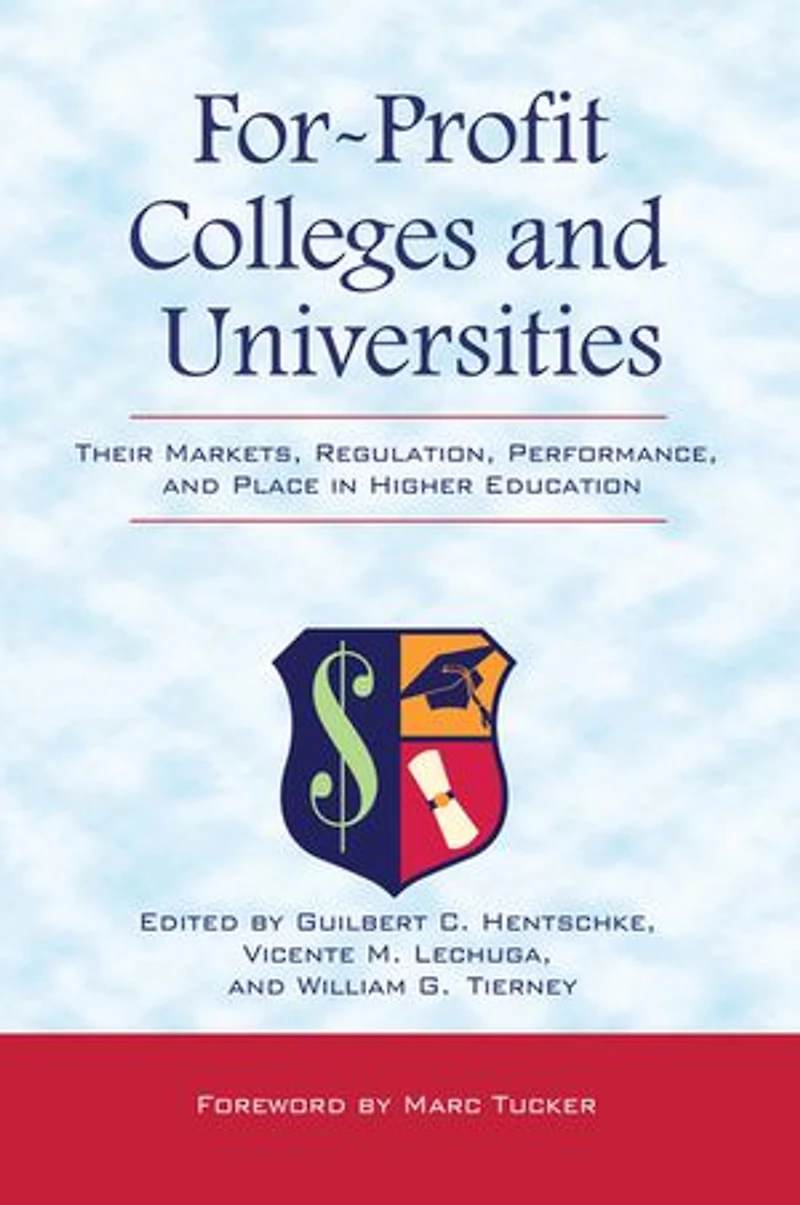
For-Profit Colleges and Universities: Their Markets, Regulation, Performance, Place Higher Education in Ottawa, ON
Current price: $55.63

For-Profit Colleges and Universities: Their Markets, Regulation, Performance, Place Higher Education in Ottawa, ON
Current price: $55.63
Loading Inventory...
Size: Kobo eBook
*Product information may vary - to confirm product availability, pricing, shipping and return information please contact Coles
Do for-profit colleges and universities (FPCUs) pose a threat to traditional providers of higher education, or do they play a vital role at a time when the capacity of public and private non-profits to meet demand is constrained? With the US no longer the leader in developing a college-educated workforce, can FPCUs help redress the competitive gap? What can be learned from the management practices and growth of FPCUs - that now number close to 3,000 institutions in the US - whose increase in enrollments has out-paced that of traditional institutions, and who now grant around 8% of all degrees? This book offers a clear-eyed and balanced analysis of for-profit colleges and universities, reviewing their history, business strategies, and management practices; setting them in the context of marketplace conditions, the framework of public policy and government regulations; and viewing them in the light of the public good.Individual chapters variously explore FPCU's governance, how they develop courses and programs, and the way they define faculty work; present findings from in-depth interviews with part-time and full-time faculty to understand how external forces and the imperative of profit generation affect faculty roles and responsibilities of faculty; analyze policy considerations that affect FPCUs, including federal regulation and oversight, accountability and assessment, and the legal and regulatory issues FPCUs face internationally; and finally address the notion of academic freedom and the distribution of public monies to FPCUs. Looking beyond FPCUs' current strategy of offering career programming to non-traditional students, the book reveals how they are positioning themselves to meet future market needs by developing new programs targeting a wider group of students.Recognizing that FPCUs are more developing than fully developed, the authors convey both the current state and the unresolved issues facing these businesses, and, in so doing, surface enduring topics that face all of post-secondary education.
Do for-profit colleges and universities (FPCUs) pose a threat to traditional providers of higher education, or do they play a vital role at a time when the capacity of public and private non-profits to meet demand is constrained? With the US no longer the leader in developing a college-educated workforce, can FPCUs help redress the competitive gap? What can be learned from the management practices and growth of FPCUs - that now number close to 3,000 institutions in the US - whose increase in enrollments has out-paced that of traditional institutions, and who now grant around 8% of all degrees? This book offers a clear-eyed and balanced analysis of for-profit colleges and universities, reviewing their history, business strategies, and management practices; setting them in the context of marketplace conditions, the framework of public policy and government regulations; and viewing them in the light of the public good.Individual chapters variously explore FPCU's governance, how they develop courses and programs, and the way they define faculty work; present findings from in-depth interviews with part-time and full-time faculty to understand how external forces and the imperative of profit generation affect faculty roles and responsibilities of faculty; analyze policy considerations that affect FPCUs, including federal regulation and oversight, accountability and assessment, and the legal and regulatory issues FPCUs face internationally; and finally address the notion of academic freedom and the distribution of public monies to FPCUs. Looking beyond FPCUs' current strategy of offering career programming to non-traditional students, the book reveals how they are positioning themselves to meet future market needs by developing new programs targeting a wider group of students.Recognizing that FPCUs are more developing than fully developed, the authors convey both the current state and the unresolved issues facing these businesses, and, in so doing, surface enduring topics that face all of post-secondary education.
You May Also Like









More About Coles at Bayshore Shopping Centre
Coles is renowned for its outstanding customer service and great selection of books. Along with the vast array of magazines, stationary, audio-books, children's literature, fiction, non-fiction and reference books, you can find accessories to make your reading experience more pleasurable. We can recommend the very best in reading today. We will help you search our titles for exactly what you need, and if we do not have it in stock, we will order it for you.
100 Bayshore Dr, Nepean, ON K2B 8C1, Canada
Find Coles at Bayshore Shopping Centre in Ottawa, ON
Visit Coles at Bayshore Shopping Centre in Ottawa, ON