

Give the Gift of Choice!
Too many options? Treat your friends and family to their favourite stores with a Bayshore Shopping Centre gift card, redeemable at participating retailers throughout the centre. Click below to purchase yours today!Purchase HereHome
Forms Of Practice: German-swiss Architecture, 1980-2000
Coles
Loading Inventory...
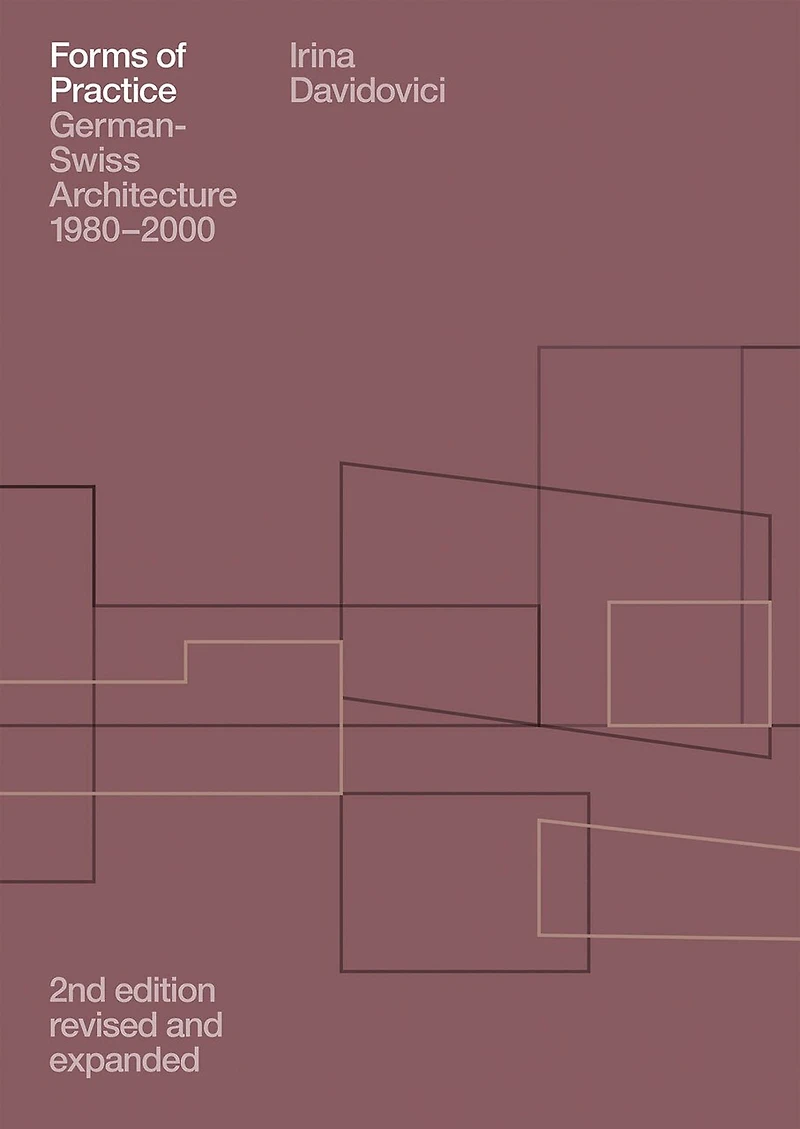
Forms Of Practice: German-swiss Architecture, 1980-2000 in Ottawa, ON
Current price: $97.50

Forms Of Practice: German-swiss Architecture, 1980-2000 in Ottawa, ON
Current price: $97.50
Loading Inventory...
Size: Paperback
*Product information may vary - to confirm product availability, pricing, shipping and return information please contact Coles
During the 1980s and 1990s, German-Swiss architecture gained worldwide acclaim on account of its structural and aesthetic coherence. Its precision, rigor and sobriety were, however, only outer manifestations of a deeper ethical orientation, reacting against formal arbitrariness and postmodern relativism. Swiss architects resorted to the discipline of concepts and formal reductionism in order to recover a sense of stability, normality, and cultural continuity. In Forms of Practice , Irina Davidovici provides an in-depth analysis of their work during the last decades of the twentieth century, discussing its cultural and theoretical conditions as facets of one artistic and cultural phenomenon. Richly detailed case studies and conceptual frameworks are brought up to reveal, behind the seductive appearance of Swiss architecture, the implicit conflicts between shared values and individual expression, artistic integrity and economic interest.
During the 1980s and 1990s, German-Swiss architecture gained worldwide acclaim on account of its structural and aesthetic coherence. Its precision, rigor and sobriety were, however, only outer manifestations of a deeper ethical orientation, reacting against formal arbitrariness and postmodern relativism. Swiss architects resorted to the discipline of concepts and formal reductionism in order to recover a sense of stability, normality, and cultural continuity. In Forms of Practice , Irina Davidovici provides an in-depth analysis of their work during the last decades of the twentieth century, discussing its cultural and theoretical conditions as facets of one artistic and cultural phenomenon. Richly detailed case studies and conceptual frameworks are brought up to reveal, behind the seductive appearance of Swiss architecture, the implicit conflicts between shared values and individual expression, artistic integrity and economic interest.
You May Also Like

















More About Coles at Bayshore Shopping Centre
Coles is renowned for its outstanding customer service and great selection of books. Along with the vast array of magazines, stationary, audio-books, children's literature, fiction, non-fiction and reference books, you can find accessories to make your reading experience more pleasurable. We can recommend the very best in reading today. We will help you search our titles for exactly what you need, and if we do not have it in stock, we will order it for you.
100 Bayshore Dr, Nepean, ON K2B 8C1, Canada
Find Coles at Bayshore Shopping Centre in Ottawa, ON
Visit Coles at Bayshore Shopping Centre in Ottawa, ON