

Give the Gift of Choice!
Too many options? Treat your friends and family to their favourite stores with a Bayshore Shopping Centre gift card, redeemable at participating retailers throughout the centre. Click below to purchase yours today!Purchase HereHome
Fortification and Microencapsulation of Vitamin D
Coles
Loading Inventory...
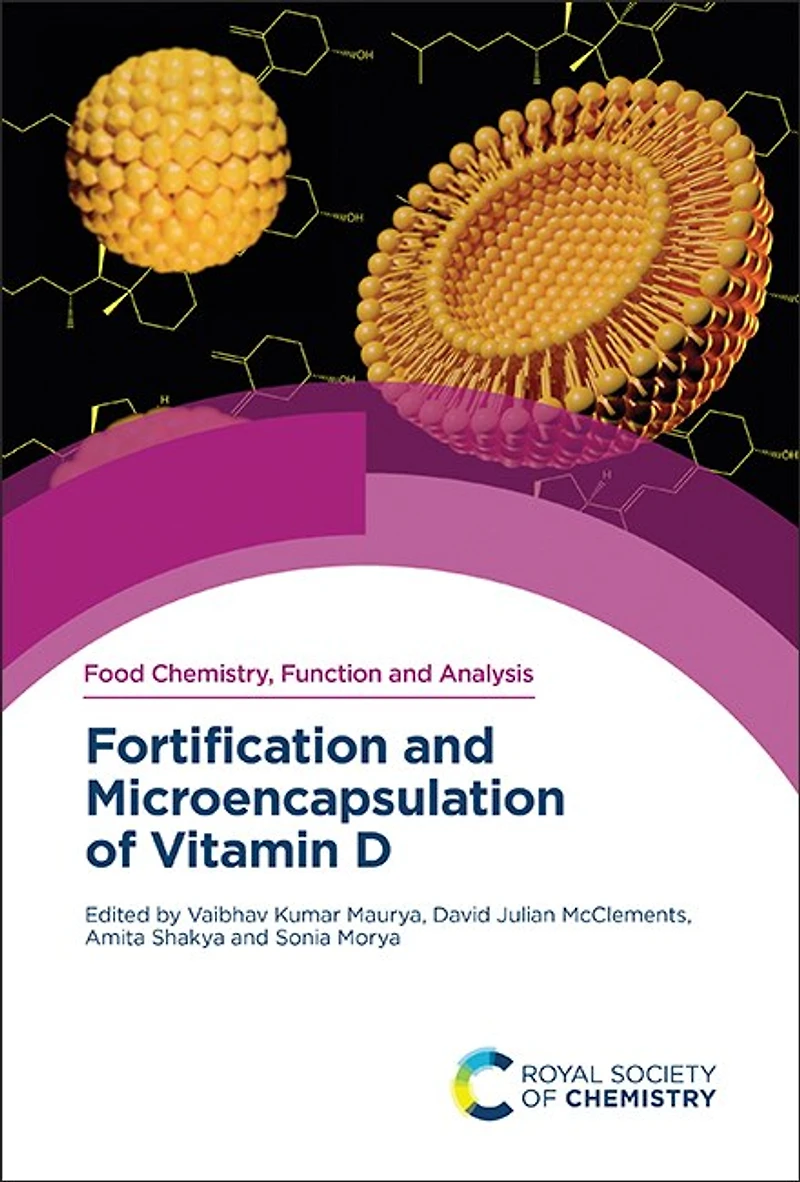
Fortification and Microencapsulation of Vitamin D in Ottawa, ON
Current price: $380.00

Fortification and Microencapsulation of Vitamin D in Ottawa, ON
Current price: $380.00
Loading Inventory...
Size: Paperback
*Product information may vary - to confirm product availability, pricing, shipping and return information please contact Coles
Cutaneous synthesis from sun exposure (specifically ultraviolet B light) is the major contributor to human vitamin D status, the rest of our daily requirement is fulfilled through dietary sources. Today, as vitamin D deficiency is increasing globally, we are looking for more efficient and effective ways to get bioavailable vitamin D into our diet. Its poor water solubility, susceptibility to environmental factors such as pH, temperature, ionic strength, humidity and photodegradation pose several challenges while addressing its deficiency through oral and dietary delivery. Diet diversification, biofortification, supplementation and food fortification are feasible strategies to address this. Also important to consider is loss during processing and storage, as well as interactions with other components of the food matrix into which vitamin D is incorporated. All these factors will result in a reduction in its bioavailability.
This book provides a complete reference on vitamin D with respect to its role in human health; factors affecting its synthesis and stability; its deficiency and factors influencing that deficiency around the world; physicochemical challenges and strategies adopted to address the deficiency; its bioavailability in supplements as well as food; experience, opportunities and challenges in food fortification; the role of nanotechnology in improving its bioavailability; nano-delivery systems and encapsulation techniques that have been adopted so far; and experience and challenges in its fortification using microencapsulation techniques.
Providing a complete view on fortification and encapsulation, this book appeals to food developers and processors, nutritionists, food technologists and research scientists. It may also help public health organisations looking at where food fortification can be adopted to decrease deficiencies.
Cutaneous synthesis from sun exposure (specifically ultraviolet B light) is the major contributor to human vitamin D status, the rest of our daily requirement is fulfilled through dietary sources. Today, as vitamin D deficiency is increasing globally, we are looking for more efficient and effective ways to get bioavailable vitamin D into our diet. Its poor water solubility, susceptibility to environmental factors such as pH, temperature, ionic strength, humidity and photodegradation pose several challenges while addressing its deficiency through oral and dietary delivery. Diet diversification, biofortification, supplementation and food fortification are feasible strategies to address this. Also important to consider is loss during processing and storage, as well as interactions with other components of the food matrix into which vitamin D is incorporated. All these factors will result in a reduction in its bioavailability.
This book provides a complete reference on vitamin D with respect to its role in human health; factors affecting its synthesis and stability; its deficiency and factors influencing that deficiency around the world; physicochemical challenges and strategies adopted to address the deficiency; its bioavailability in supplements as well as food; experience, opportunities and challenges in food fortification; the role of nanotechnology in improving its bioavailability; nano-delivery systems and encapsulation techniques that have been adopted so far; and experience and challenges in its fortification using microencapsulation techniques.
Providing a complete view on fortification and encapsulation, this book appeals to food developers and processors, nutritionists, food technologists and research scientists. It may also help public health organisations looking at where food fortification can be adopted to decrease deficiencies.
You May Also Like









More About Coles at Bayshore Shopping Centre
Coles is renowned for its outstanding customer service and great selection of books. Along with the vast array of magazines, stationary, audio-books, children's literature, fiction, non-fiction and reference books, you can find accessories to make your reading experience more pleasurable. We can recommend the very best in reading today. We will help you search our titles for exactly what you need, and if we do not have it in stock, we will order it for you.
100 Bayshore Dr, Nepean, ON K2B 8C1, Canada
Find Coles at Bayshore Shopping Centre in Ottawa, ON
Visit Coles at Bayshore Shopping Centre in Ottawa, ON