

Give the Gift of Choice!
Too many options? Treat your friends and family to their favourite stores with a Bayshore Shopping Centre gift card, redeemable at participating retailers throughout the centre. Click below to purchase yours today!Purchase HereHome
Four Years Izumi: Village Japan the Early Sixteenth Century
Coles
Loading Inventory...
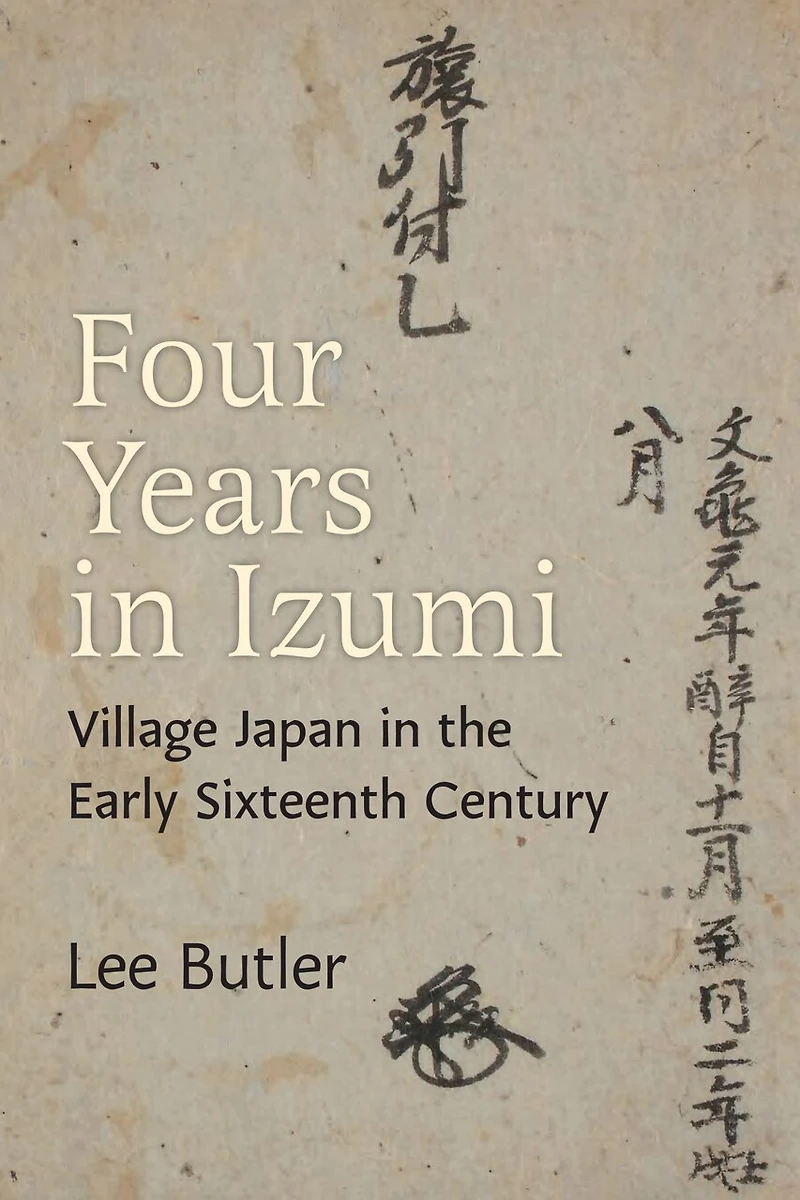

Four Years Izumi: Village Japan the Early Sixteenth Century in Ottawa, ON
Current price: $149.50

Four Years Izumi: Village Japan the Early Sixteenth Century in Ottawa, ON
Current price: $149.50
Loading Inventory...
Size: Hardcover
*Product information may vary - to confirm product availability, pricing, shipping and return information please contact Coles
Four Years in Izumi takes an in-depth and critical approach to understanding Japanese village life through analysis of the diary of Kujō Masamoto, the former chancellor of the imperial court who resided briefly in one of his provincial estates from 1501 to 1504. For a high ranking courtier to travel to the countryside and manage a family estate was unheard of during the era of Sengoku , the “country at war.” The diary Masamoto kept offers a remarkably rich and vivid portrait of village Japan, which has seen no significant study in English-language scholarship. Through extensive examination of the diary and close and critical reading of it and complementary sources, Lee Butler provides a window into the inner workings of late-medieval village life that challenges typical portrayals of the period. In Four Years in Izumi , we see the complexity of relations between commoners and elites in action. We also see the ways in which an estate functioned in practice at the heart of the medieval economy and local social structure.
Four Years in Izumi takes an in-depth and critical approach to understanding Japanese village life through analysis of the diary of Kujō Masamoto, the former chancellor of the imperial court who resided briefly in one of his provincial estates from 1501 to 1504. For a high ranking courtier to travel to the countryside and manage a family estate was unheard of during the era of Sengoku , the “country at war.” The diary Masamoto kept offers a remarkably rich and vivid portrait of village Japan, which has seen no significant study in English-language scholarship. Through extensive examination of the diary and close and critical reading of it and complementary sources, Lee Butler provides a window into the inner workings of late-medieval village life that challenges typical portrayals of the period. In Four Years in Izumi , we see the complexity of relations between commoners and elites in action. We also see the ways in which an estate functioned in practice at the heart of the medieval economy and local social structure.
You May Also Like











More About Coles at Bayshore Shopping Centre
Coles is renowned for its outstanding customer service and great selection of books. Along with the vast array of magazines, stationary, audio-books, children's literature, fiction, non-fiction and reference books, you can find accessories to make your reading experience more pleasurable. We can recommend the very best in reading today. We will help you search our titles for exactly what you need, and if we do not have it in stock, we will order it for you.
100 Bayshore Dr, Nepean, ON K2B 8C1, Canada
Find Coles at Bayshore Shopping Centre in Ottawa, ON
Visit Coles at Bayshore Shopping Centre in Ottawa, ON