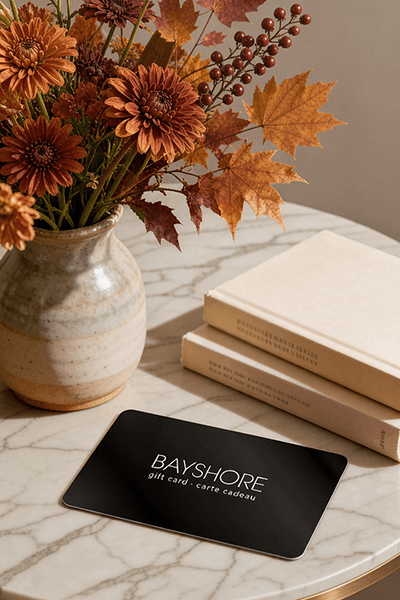
Too many options? Treat your friends and family to their favourite stores with a Bayshore Shopping Centre gift card, redeemable at participating retailers throughout the centre. Click below to purchase yours today!Purchase Here
Coles Free Slaves, Freetown, and the Sierra Leonean Civil War at Bayshore Shopping Centre in Ottawa, ON
*Product information may vary - to confirm product availability, pricing, shipping and return information please contact Coles
This book is a historical narrative covering various periods in Sierra Leone's history from the fifteenth century to the end of its civil war in 2002. It entails the history of Sierra Leone from its days as a slave harbor through to its founding as a home for free slaves, and toward its political independence and civil war. In 1462, the country was discovered by a Portuguese explorer, Pedro de Sintra, who named it Serra Lyoa (Lion Mountains). Sierra Leone later became a lucrative hub for the Transatlantic Slave Trade. At the end of slavery in England, Freetown was selected as a home for the Black Poor, free slaves in England after the Somerset ruling. The Black Poor were joined by the Nova Scotians, American slaves who supported or fought with the British during the American Revolution. The Maroons, rebellious slaves from Jamaica, arrived in 1800. The Recaptives, freed in enforcement of British antislavery laws, were also taken to Freetown. Freetown became a British colony in 1808 and Sierra Leone obtained political independence from Britain in 1961. The development of the country was derailed by the death of its first Prime Minister, Sir Milton Margai, and thirty years after independence the country collapsed into a brutal civil war.
This book is a historical narrative covering various periods in Sierra Leone's history from the fifteenth century to the end of its civil war in 2002. It entails the history of Sierra Leone from its days as a slave harbor through to its founding as a home for free slaves, and toward its political independence and civil war. In 1462, the country was discovered by a Portuguese explorer, Pedro de Sintra, who named it Serra Lyoa (Lion Mountains). Sierra Leone later became a lucrative hub for the Transatlantic Slave Trade. At the end of slavery in England, Freetown was selected as a home for the Black Poor, free slaves in England after the Somerset ruling. The Black Poor were joined by the Nova Scotians, American slaves who supported or fought with the British during the American Revolution. The Maroons, rebellious slaves from Jamaica, arrived in 1800. The Recaptives, freed in enforcement of British antislavery laws, were also taken to Freetown. Freetown became a British colony in 1808 and Sierra Leone obtained political independence from Britain in 1961. The development of the country was derailed by the death of its first Prime Minister, Sir Milton Margai, and thirty years after independence the country collapsed into a brutal civil war.
Coles is renowned for its outstanding customer service and great selection of books. Along with the vast array of magazines, stationary, audio-books, children's literature, fiction, non-fiction and reference books, you can find accessories to make your reading experience more pleasurable. We can recommend the very best in reading today. We will help you search our titles for exactly what you need, and if we do not have it in stock, we will order it for you.