

Give the Gift of Choice!
Too many options? Treat your friends and family to their favourite stores with a Bayshore Shopping Centre gift card, redeemable at participating retailers throughout the centre. Click below to purchase yours today!Purchase HereHome
French Jewry and the Church-State Dilemma: From the Revolution to the Great War (1789-1914)
Coles
Loading Inventory...
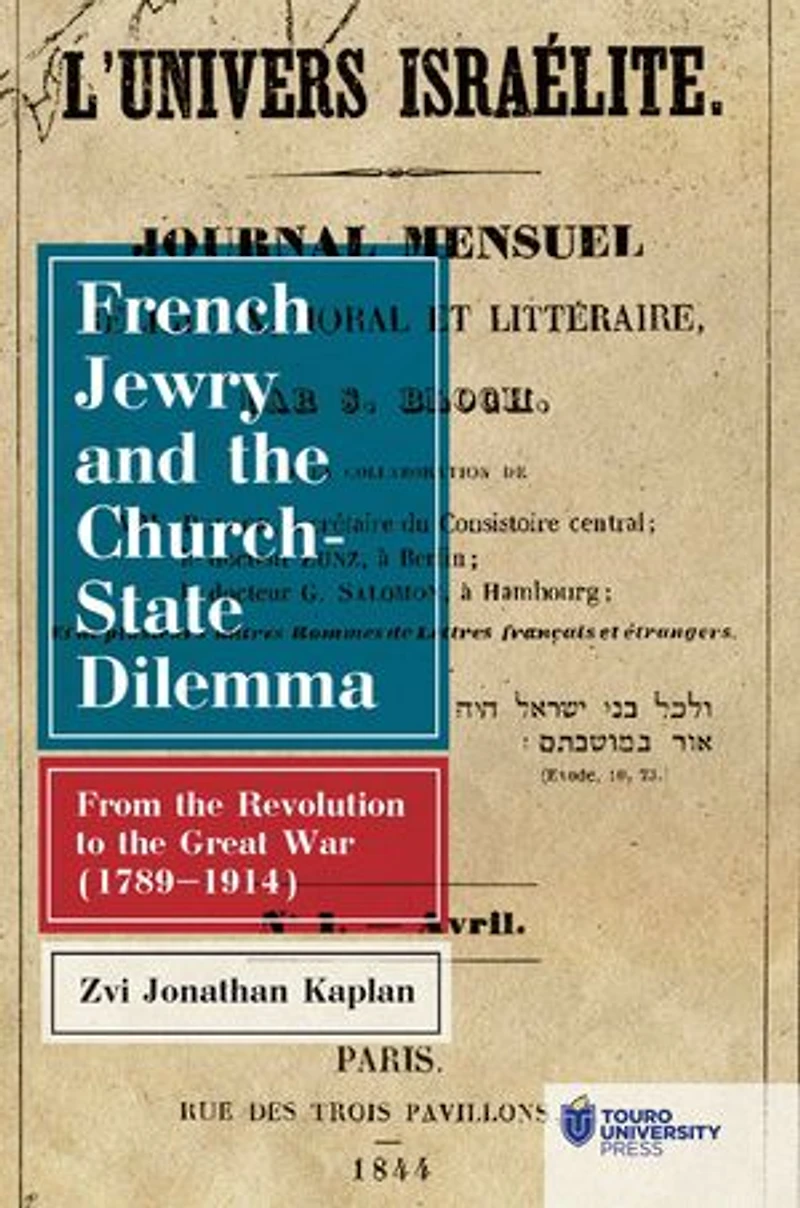
French Jewry and the Church-State Dilemma: From the Revolution to the Great War (1789-1914) in Ottawa, ON
Current price: $129.29
Original price: $161.51

French Jewry and the Church-State Dilemma: From the Revolution to the Great War (1789-1914) in Ottawa, ON
Current price: $129.29
Original price: $161.51
Loading Inventory...
Size: Kobo eBook
*Product information may vary - to confirm product availability, pricing, shipping and return information please contact Coles
This book analyzes the development of Jewish positions on the relationship between Church and State from the Revolution until the Great War It is a comprehensive study of the complex interplay among different segments of the Jewish population and the community’s attempt to come to terms with its social and religious status in the nineteenth and early twentieth centuries.
As this book demonstrates, the organized French Jewish community strategically charted the political waters by steering clear of extremist political positions and by adopting a “soft clerical” approach to Church-State issues. This centrist approach subjected French Jews to criticism from both anticlerical and clerical forces, but nonetheless the rabbinate, consistorial officials, and the Jewish press believed that French Judaism and French Jewry would thrive most in a climate of moderation.
This book analyzes the development of Jewish positions on the relationship between Church and State from the Revolution until the Great War It is a comprehensive study of the complex interplay among different segments of the Jewish population and the community’s attempt to come to terms with its social and religious status in the nineteenth and early twentieth centuries.
As this book demonstrates, the organized French Jewish community strategically charted the political waters by steering clear of extremist political positions and by adopting a “soft clerical” approach to Church-State issues. This centrist approach subjected French Jews to criticism from both anticlerical and clerical forces, but nonetheless the rabbinate, consistorial officials, and the Jewish press believed that French Judaism and French Jewry would thrive most in a climate of moderation.
You May Also Like














More About Coles at Bayshore Shopping Centre
Coles is renowned for its outstanding customer service and great selection of books. Along with the vast array of magazines, stationary, audio-books, children's literature, fiction, non-fiction and reference books, you can find accessories to make your reading experience more pleasurable. We can recommend the very best in reading today. We will help you search our titles for exactly what you need, and if we do not have it in stock, we will order it for you.
100 Bayshore Dr, Nepean, ON K2B 8C1, Canada
Find Coles at Bayshore Shopping Centre in Ottawa, ON
Visit Coles at Bayshore Shopping Centre in Ottawa, ON