

Give the Gift of Choice!
Too many options? Treat your friends and family to their favourite stores with a Bayshore Shopping Centre gift card, redeemable at participating retailers throughout the centre. Click below to purchase yours today!Purchase HereHome
From A Grain Of Salt To The Ribosome: The History Of Crystallography As Seen Through The Lens Of The Nobel Prize
Coles
Loading Inventory...
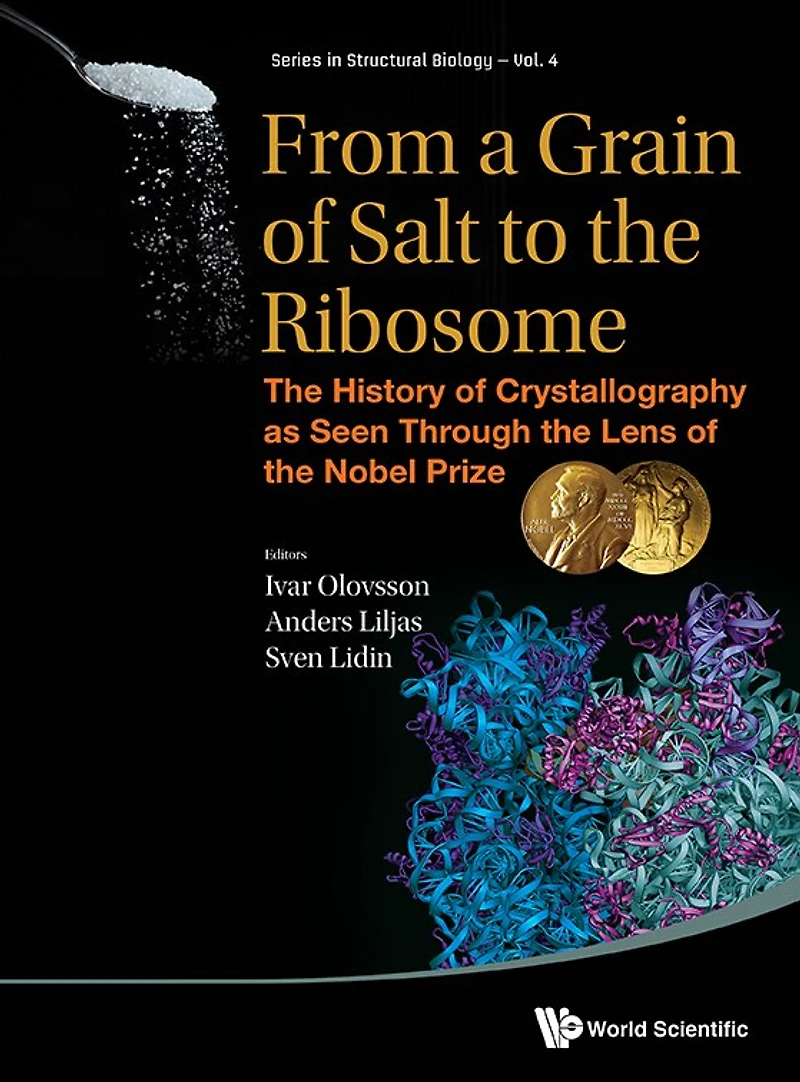
From A Grain Of Salt To The Ribosome: The History Of Crystallography As Seen Through The Lens Of The Nobel Prize in Ottawa, ON
Current price: $281.95

From A Grain Of Salt To The Ribosome: The History Of Crystallography As Seen Through The Lens Of The Nobel Prize in Ottawa, ON
Current price: $281.95
Loading Inventory...
Size: Hardcover
*Product information may vary - to confirm product availability, pricing, shipping and return information please contact Coles
This book is published to celebrate the International Year of Crystallography 2014, as proclaimed by the United Nations. The year has been chosen as the International Year of Crystallography since it was 100 years ago that the first Nobel Prize was awarded for crystallographic observations to Max von Laue. Just a year later, Sir William Henry Bragg and William Lawrence Bragg, father and son, won their prize for showing the possibility of determining atomic positions in crystals. This book describes the lives and works of 33 Nobel Laureates starting with Wilhelm Conrad Röntgen (1901) and ending with Brian Kobilka (2012). It also reproduces the most important works of these scientists. The book gives a historical perspective of a scientific field that is important for our understanding of the atomic organization of the world around us, from inorganic materials to complex biological molecules, such as the ribosome.This book is a timely summary of the main developments in crystallography over the last 100 years. The central publications of 33 Nobel laureates are reproduced. There is no other book providing this selection of material.
This book is published to celebrate the International Year of Crystallography 2014, as proclaimed by the United Nations. The year has been chosen as the International Year of Crystallography since it was 100 years ago that the first Nobel Prize was awarded for crystallographic observations to Max von Laue. Just a year later, Sir William Henry Bragg and William Lawrence Bragg, father and son, won their prize for showing the possibility of determining atomic positions in crystals. This book describes the lives and works of 33 Nobel Laureates starting with Wilhelm Conrad Röntgen (1901) and ending with Brian Kobilka (2012). It also reproduces the most important works of these scientists. The book gives a historical perspective of a scientific field that is important for our understanding of the atomic organization of the world around us, from inorganic materials to complex biological molecules, such as the ribosome.This book is a timely summary of the main developments in crystallography over the last 100 years. The central publications of 33 Nobel laureates are reproduced. There is no other book providing this selection of material.
You May Also Like








More About Coles at Bayshore Shopping Centre
Coles is renowned for its outstanding customer service and great selection of books. Along with the vast array of magazines, stationary, audio-books, children's literature, fiction, non-fiction and reference books, you can find accessories to make your reading experience more pleasurable. We can recommend the very best in reading today. We will help you search our titles for exactly what you need, and if we do not have it in stock, we will order it for you.
100 Bayshore Dr, Nepean, ON K2B 8C1, Canada
Find Coles at Bayshore Shopping Centre in Ottawa, ON
Visit Coles at Bayshore Shopping Centre in Ottawa, ON