

Give the Gift of Choice!
Too many options? Treat your friends and family to their favourite stores with a Bayshore Shopping Centre gift card, redeemable at participating retailers throughout the centre. Click below to purchase yours today!Purchase HereHome
From Awareness to Commitment Public Health Campaigns: The Myth
Coles
Loading Inventory...
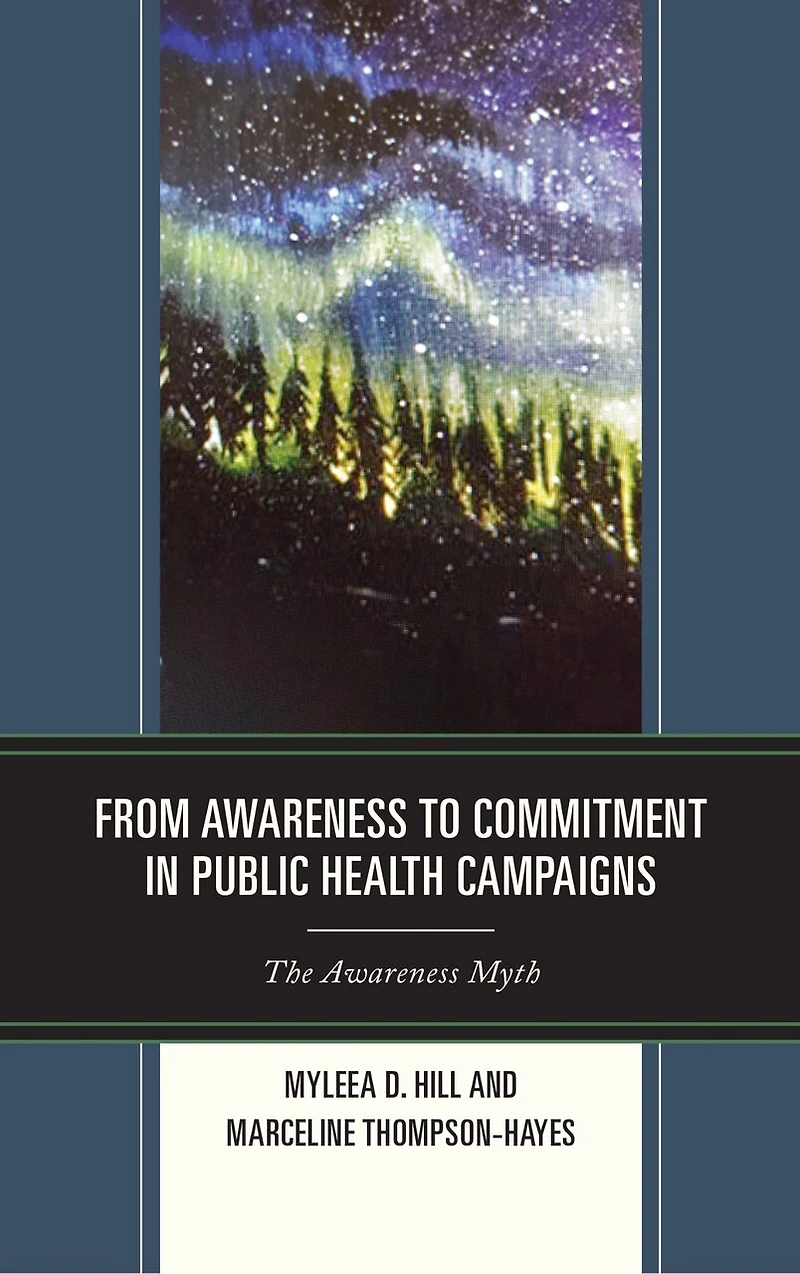
From Awareness to Commitment Public Health Campaigns: The Myth in Ottawa, ON
Current price: $142.00

From Awareness to Commitment Public Health Campaigns: The Myth in Ottawa, ON
Current price: $142.00
Loading Inventory...
Size: Hardcover
*Product information may vary - to confirm product availability, pricing, shipping and return information please contact Coles
Attempts to raise awareness on a multitude of health issues may actually be counter-productive and even dangerous to solving contemporary health problems. From Awareness to Commitment in Public Health Campaigns: The Awareness Myth discusses several myths of the benefits of raising awareness. Myleea Hill and Marceline Thompson-Hayes argue that using awareness as an end-point in public health campaigns is misguided and does more harm than good. They offer a model of the current awareness culture that simply leads to an ever-increasing cycle of awareness without behavioral change or sustained participation and support for causes. Then, they demonstrates how three factors (recognition involvement, knowledge-seeking and education, and participation) intersect to create commitment to solving and alleviating health problems through various methods of communication (social media, mass communication, and interpersonal communication).
Attempts to raise awareness on a multitude of health issues may actually be counter-productive and even dangerous to solving contemporary health problems. From Awareness to Commitment in Public Health Campaigns: The Awareness Myth discusses several myths of the benefits of raising awareness. Myleea Hill and Marceline Thompson-Hayes argue that using awareness as an end-point in public health campaigns is misguided and does more harm than good. They offer a model of the current awareness culture that simply leads to an ever-increasing cycle of awareness without behavioral change or sustained participation and support for causes. Then, they demonstrates how three factors (recognition involvement, knowledge-seeking and education, and participation) intersect to create commitment to solving and alleviating health problems through various methods of communication (social media, mass communication, and interpersonal communication).
You May Also Like








More About Coles at Bayshore Shopping Centre
Coles is renowned for its outstanding customer service and great selection of books. Along with the vast array of magazines, stationary, audio-books, children's literature, fiction, non-fiction and reference books, you can find accessories to make your reading experience more pleasurable. We can recommend the very best in reading today. We will help you search our titles for exactly what you need, and if we do not have it in stock, we will order it for you.
100 Bayshore Dr, Nepean, ON K2B 8C1, Canada
Find Coles at Bayshore Shopping Centre in Ottawa, ON
Visit Coles at Bayshore Shopping Centre in Ottawa, ON