

Give the Gift of Choice!
Too many options? Treat your friends and family to their favourite stores with a Bayshore Shopping Centre gift card, redeemable at participating retailers throughout the centre. Click below to purchase yours today!Purchase HereHome
From Fossil Fuels to Low Carbon Energy Transition: New Regulatory Trends Latin America
Coles
Loading Inventory...
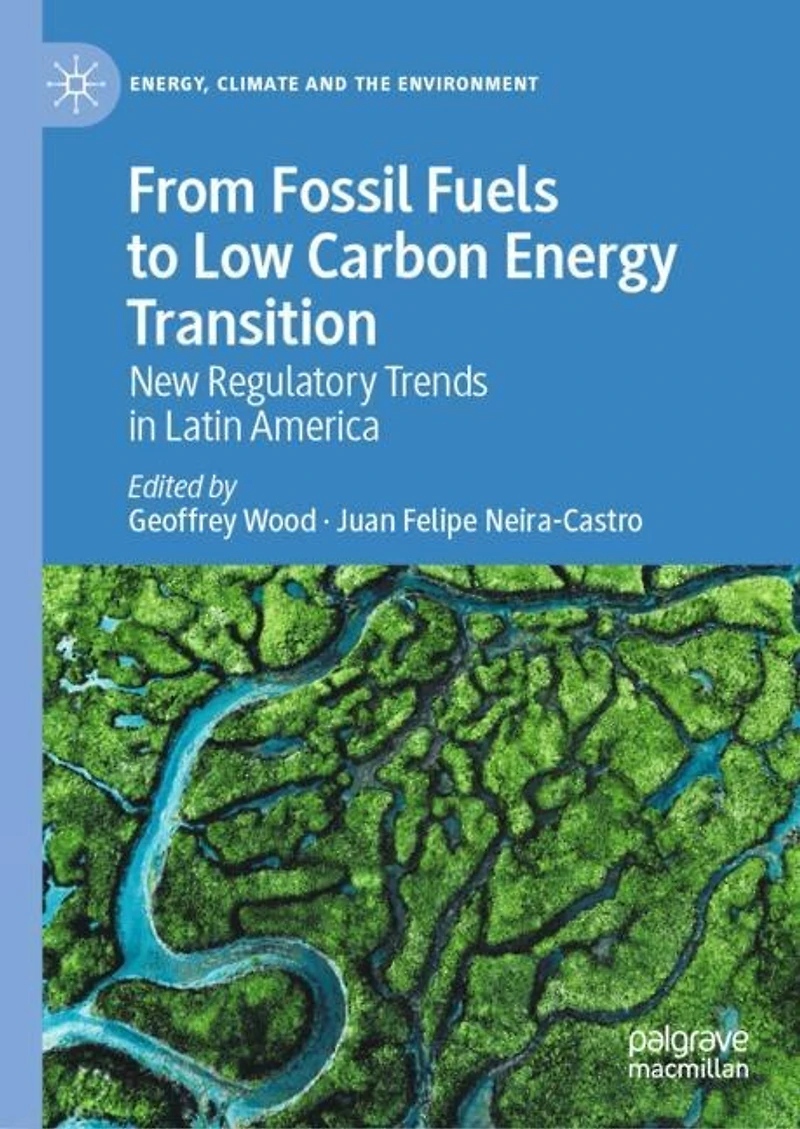
From Fossil Fuels to Low Carbon Energy Transition: New Regulatory Trends Latin America in Ottawa, ON
Current price: $175.50

From Fossil Fuels to Low Carbon Energy Transition: New Regulatory Trends Latin America in Ottawa, ON
Current price: $175.50
Loading Inventory...
Size: Hardcover
*Product information may vary - to confirm product availability, pricing, shipping and return information please contact Coles
Focusing on five key themes - hydrocarbons, electricity, mining, social license to operate, and arbitration/dispute resolution- via in-depth country and regional case studies, this book seeks to capture the contrasting and sometimes conflicting trends in energy governance in Latin America as it wrestles with a dependence on fossil fuels whilst shifting toward a low carbon future. Energy transition continues to sit at the centre of the Latin American policy debate as the world continues to push for carbon neutrality by 2050. Latin America is undergoing a renewable energy transition, with substantial reserves (solar, wind, hydro, geothermal) and many countries in the region setting ambitious renewable energy policies, laws, and regulations to address climate change. However, recent initiatives to promote renewables must be placed in context. Historically, Latin America has developed and improved its economic and social standards due primarily to an economy based on the extractive industries and fossil fuels. This places renewables at the crossroads of multiple drivers, as the region seek to ensure security of supply, attract investment, and facilitate a low carbon energy transition.
Focusing on five key themes - hydrocarbons, electricity, mining, social license to operate, and arbitration/dispute resolution- via in-depth country and regional case studies, this book seeks to capture the contrasting and sometimes conflicting trends in energy governance in Latin America as it wrestles with a dependence on fossil fuels whilst shifting toward a low carbon future. Energy transition continues to sit at the centre of the Latin American policy debate as the world continues to push for carbon neutrality by 2050. Latin America is undergoing a renewable energy transition, with substantial reserves (solar, wind, hydro, geothermal) and many countries in the region setting ambitious renewable energy policies, laws, and regulations to address climate change. However, recent initiatives to promote renewables must be placed in context. Historically, Latin America has developed and improved its economic and social standards due primarily to an economy based on the extractive industries and fossil fuels. This places renewables at the crossroads of multiple drivers, as the region seek to ensure security of supply, attract investment, and facilitate a low carbon energy transition.
You May Also Like








More About Coles at Bayshore Shopping Centre
Coles is renowned for its outstanding customer service and great selection of books. Along with the vast array of magazines, stationary, audio-books, children's literature, fiction, non-fiction and reference books, you can find accessories to make your reading experience more pleasurable. We can recommend the very best in reading today. We will help you search our titles for exactly what you need, and if we do not have it in stock, we will order it for you.
100 Bayshore Dr, Nepean, ON K2B 8C1, Canada
Find Coles at Bayshore Shopping Centre in Ottawa, ON
Visit Coles at Bayshore Shopping Centre in Ottawa, ON