

Give the Gift of Choice!
Too many options? Treat your friends and family to their favourite stores with a Bayshore Shopping Centre gift card, redeemable at participating retailers throughout the centre. Click below to purchase yours today!Purchase HereHome
From Paralysis to Permission: Healing Creative Shame: Navigating Fear, Shame, and the Recovery of Authentic Expression
Coles
Loading Inventory...
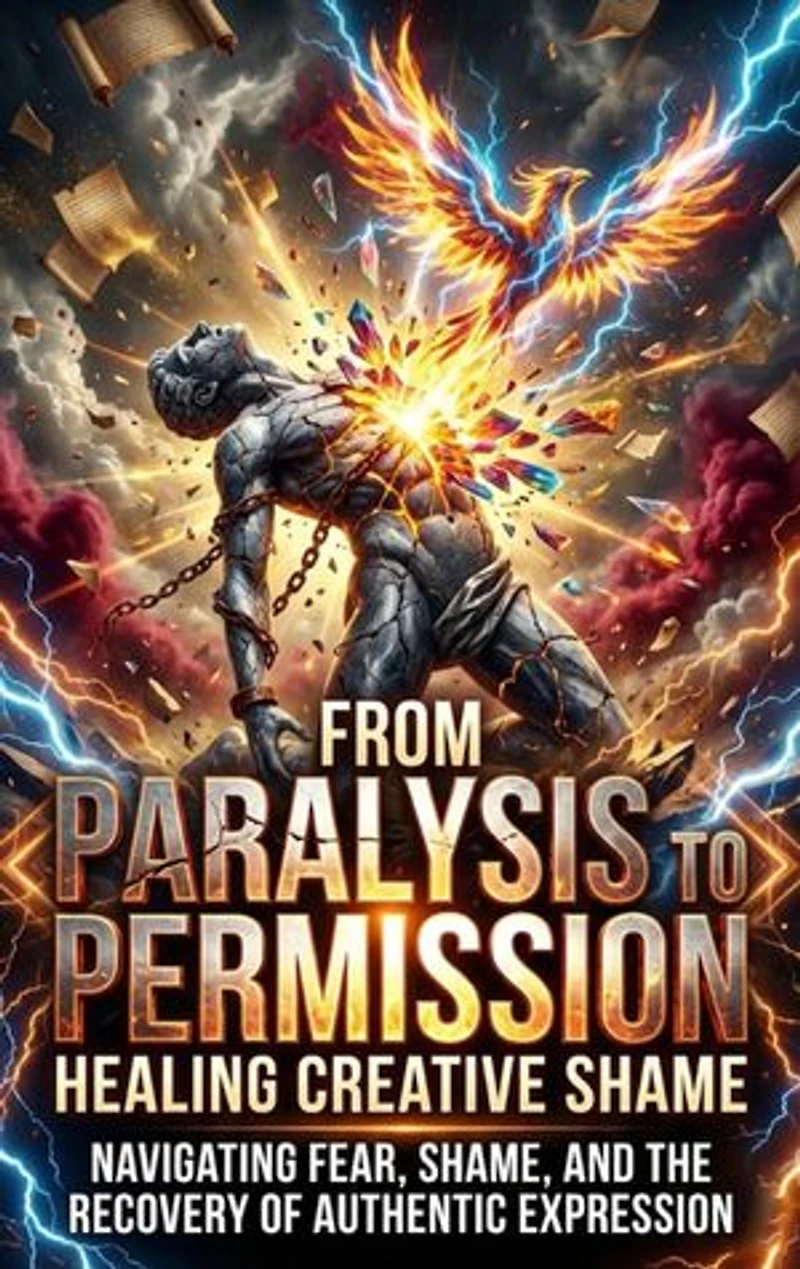
From Paralysis to Permission: Healing Creative Shame: Navigating Fear, Shame, and the Recovery of Authentic Expression in Ottawa, ON
Current price: $15.99

From Paralysis to Permission: Healing Creative Shame: Navigating Fear, Shame, and the Recovery of Authentic Expression in Ottawa, ON
Current price: $15.99
Loading Inventory...
Size: Kobo eBook
*Product information may vary - to confirm product availability, pricing, shipping and return information please contact Coles
This book explores creative blocks not as obstacles to remove, but as protective responses to earlier wounds around expression, visibility, and rejection. It examines what happens when the act of creating becomes entangled with shame, perfectionism, or the fear of being seen—and how these patterns quietly shape what we allow ourselves to make. Rather than offering strategies to force productivity, this book reframes creative recovery as a process of rebuilding safety around vulnerability. It investigates the psychological mechanisms behind creative shutdown, the role of past criticism in silencing current expression, and why returning to creativity often requires grieving what was lost or never allowed. It explores how judgment—both internal and external—creates conditions where the risk of creating feels greater than the cost of staying silent. Through compassionate inquiry, the book navigates the difference between healthy creative rest and avoidance rooted in fear. It offers insight into recognizing when blocks signal burnout versus when they reveal deeper beliefs about worthiness, talent, and permission. It examines what it means to create without the armor of perfection, to express without guarantees of reception, and to trust that your voice matters even when it trembles. This is an invitation to approach creative recovery not as a return to productivity, but as a reconnection with the part of you that creates because it needs to, not because it should. It explores what becomes possible when you stop demanding proof that you're "good enough" and start honoring that you're here, holding something that wants to be expressed.
This book explores creative blocks not as obstacles to remove, but as protective responses to earlier wounds around expression, visibility, and rejection. It examines what happens when the act of creating becomes entangled with shame, perfectionism, or the fear of being seen—and how these patterns quietly shape what we allow ourselves to make. Rather than offering strategies to force productivity, this book reframes creative recovery as a process of rebuilding safety around vulnerability. It investigates the psychological mechanisms behind creative shutdown, the role of past criticism in silencing current expression, and why returning to creativity often requires grieving what was lost or never allowed. It explores how judgment—both internal and external—creates conditions where the risk of creating feels greater than the cost of staying silent. Through compassionate inquiry, the book navigates the difference between healthy creative rest and avoidance rooted in fear. It offers insight into recognizing when blocks signal burnout versus when they reveal deeper beliefs about worthiness, talent, and permission. It examines what it means to create without the armor of perfection, to express without guarantees of reception, and to trust that your voice matters even when it trembles. This is an invitation to approach creative recovery not as a return to productivity, but as a reconnection with the part of you that creates because it needs to, not because it should. It explores what becomes possible when you stop demanding proof that you're "good enough" and start honoring that you're here, holding something that wants to be expressed.
You May Also Like









More About Coles at Bayshore Shopping Centre
Coles is renowned for its outstanding customer service and great selection of books. Along with the vast array of magazines, stationary, audio-books, children's literature, fiction, non-fiction and reference books, you can find accessories to make your reading experience more pleasurable. We can recommend the very best in reading today. We will help you search our titles for exactly what you need, and if we do not have it in stock, we will order it for you.
100 Bayshore Dr, Nepean, ON K2B 8C1, Canada
Find Coles at Bayshore Shopping Centre in Ottawa, ON
Visit Coles at Bayshore Shopping Centre in Ottawa, ON