

Give the Gift of Choice!
Too many options? Treat your friends and family to their favourite stores with a Bayshore Shopping Centre gift card, redeemable at participating retailers throughout the centre. Click below to purchase yours today!Purchase HereHome
From Swamp to Wetland: The Creation of Everglades National Park
Coles
Loading Inventory...
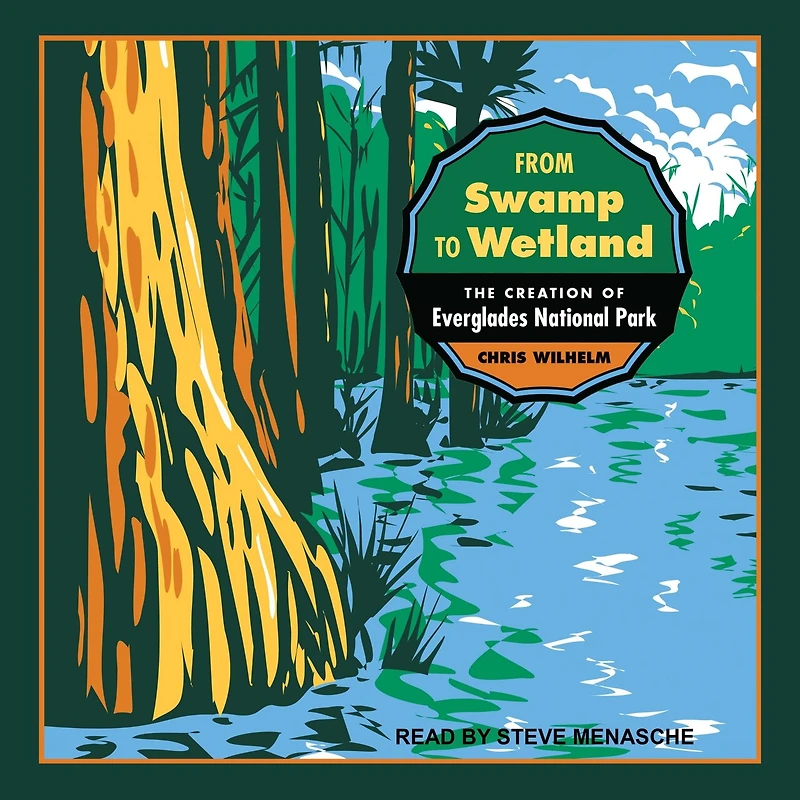
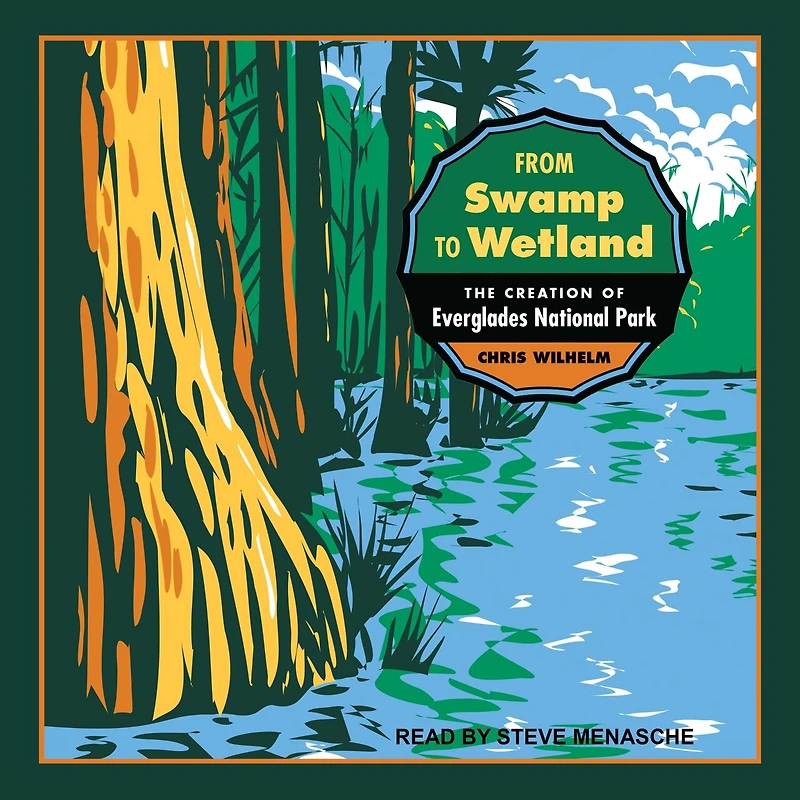
From Swamp to Wetland: The Creation of Everglades National Park in Ottawa, ON
Current price: $64.95

From Swamp to Wetland: The Creation of Everglades National Park in Ottawa, ON
Current price: $64.95
Loading Inventory...
Size: Audiobook (2022 A)
*Product information may vary - to confirm product availability, pricing, shipping and return information please contact Coles
This book chronicles the creation of Everglades National Park, the largest subtropical wilderness in the United States. Prior to the park's creation, the Everglades was seen as a reviled and useless swamp, unfit for typical recreational or development projects. Park advocates drew on new ideas concerning the value of biota and ecology, the importance of wilderness, and the need to protect habitats, marine ecosystems, and plant life to redefine the Everglades. Using these ideas, the Everglades began to be recognized as an ecologically valuable and fragile wetland—and thus a region in need of protective status. While these new ideas foreshadowed the later emergence of modern environmentalism, tourism and the economic desires of Florida's business and political elites also impacted the park's future. These groups saw the Everglades' unique biology and ecology as a foundation on which to build a tourism empire. Yet, even after the park's creation, conservative landowners successfully fought to limit the park and saw it as a threat to their own economic freedoms. The battle to save the swamp's biodiversity continues, and Everglades Park stands at the center of ongoing restoration efforts.
This book chronicles the creation of Everglades National Park, the largest subtropical wilderness in the United States. Prior to the park's creation, the Everglades was seen as a reviled and useless swamp, unfit for typical recreational or development projects. Park advocates drew on new ideas concerning the value of biota and ecology, the importance of wilderness, and the need to protect habitats, marine ecosystems, and plant life to redefine the Everglades. Using these ideas, the Everglades began to be recognized as an ecologically valuable and fragile wetland—and thus a region in need of protective status. While these new ideas foreshadowed the later emergence of modern environmentalism, tourism and the economic desires of Florida's business and political elites also impacted the park's future. These groups saw the Everglades' unique biology and ecology as a foundation on which to build a tourism empire. Yet, even after the park's creation, conservative landowners successfully fought to limit the park and saw it as a threat to their own economic freedoms. The battle to save the swamp's biodiversity continues, and Everglades Park stands at the center of ongoing restoration efforts.
You May Also Like








More About Coles at Bayshore Shopping Centre
Coles is renowned for its outstanding customer service and great selection of books. Along with the vast array of magazines, stationary, audio-books, children's literature, fiction, non-fiction and reference books, you can find accessories to make your reading experience more pleasurable. We can recommend the very best in reading today. We will help you search our titles for exactly what you need, and if we do not have it in stock, we will order it for you.
100 Bayshore Dr, Nepean, ON K2B 8C1, Canada
Find Coles at Bayshore Shopping Centre in Ottawa, ON
Visit Coles at Bayshore Shopping Centre in Ottawa, ON