

Give the Gift of Choice!
Too many options? Treat your friends and family to their favourite stores with a Bayshore Shopping Centre gift card, redeemable at participating retailers throughout the centre. Click below to purchase yours today!Purchase HereHome
Fundão Tailings Dam Failure in Southeastern Brazil: Ecological Strike to Rio Doce Basin
Coles
Loading Inventory...
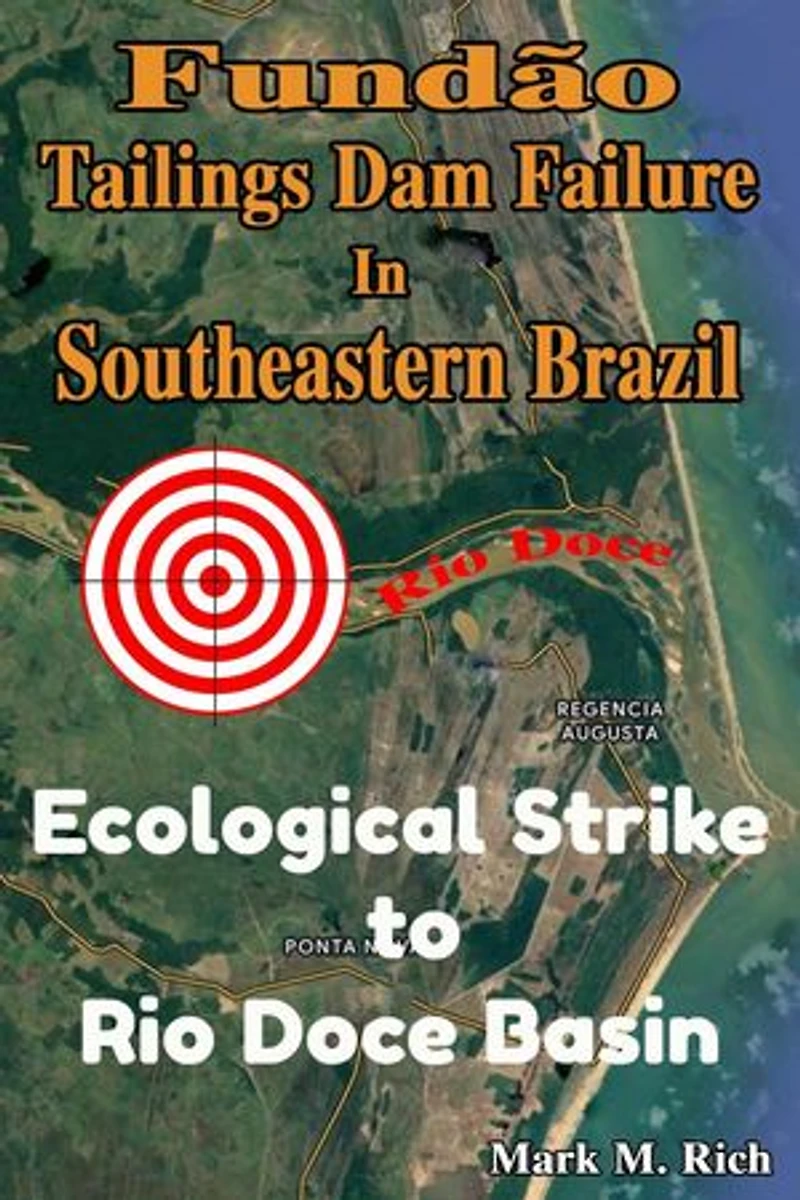
Fundão Tailings Dam Failure in Southeastern Brazil: Ecological Strike to Rio Doce Basin in Ottawa, ON
Current price: $4.99

Fundão Tailings Dam Failure in Southeastern Brazil: Ecological Strike to Rio Doce Basin in Ottawa, ON
Current price: $4.99
Loading Inventory...
Size: Kobo eBook
*Product information may vary - to confirm product availability, pricing, shipping and return information please contact Coles
In the concise article, Fundão Tailings Dam Failure in Southeastern Brazil: Ecological Strike to Rio Doce Basin , the author posits that the 2015 Fundão Dam disaster was a calculated act executed by international bankers and their Brazilian government allies. The dam's collapse unleashed 15.8 billion gallons of toxic sludge into the Rio Doce, wreaking havoc on the environment and local communities. The article suggests this catastrophe, similar to the 2014 Mount Polley mine breach in British Columbia, was a premeditated ecological assault aimed at displacing and harming indigenous populations. The extensive damage included contamination of drinking water with mercury and arsenic, posing severe long-term health risks and ecological destruction.
Drawing parallels between the Fundão and Mount Polley disasters, the article contends that both incidents were orchestrated by placing tailings ponds in unstable locations and continually raising dam walls to handle more waste. The narrative highlights political and corporate collusion, with mining companies donating significantly to political parties and benefiting from weakened regulatory oversight. The piece implicates major financial entities like Goldman Sachs, Bank of America, JPMorgan Chase, and BlackRock in funding these ecological weapons of mass destruction (WMDs). The author claims that these institutions, under the control of elites like the Rothschilds and George Soros, are engaged in a global strategy of environmental and human destruction, disguised as industrial accidents. [approximately 1,000 words; 8 pages @6x9]
In the concise article, Fundão Tailings Dam Failure in Southeastern Brazil: Ecological Strike to Rio Doce Basin , the author posits that the 2015 Fundão Dam disaster was a calculated act executed by international bankers and their Brazilian government allies. The dam's collapse unleashed 15.8 billion gallons of toxic sludge into the Rio Doce, wreaking havoc on the environment and local communities. The article suggests this catastrophe, similar to the 2014 Mount Polley mine breach in British Columbia, was a premeditated ecological assault aimed at displacing and harming indigenous populations. The extensive damage included contamination of drinking water with mercury and arsenic, posing severe long-term health risks and ecological destruction.
Drawing parallels between the Fundão and Mount Polley disasters, the article contends that both incidents were orchestrated by placing tailings ponds in unstable locations and continually raising dam walls to handle more waste. The narrative highlights political and corporate collusion, with mining companies donating significantly to political parties and benefiting from weakened regulatory oversight. The piece implicates major financial entities like Goldman Sachs, Bank of America, JPMorgan Chase, and BlackRock in funding these ecological weapons of mass destruction (WMDs). The author claims that these institutions, under the control of elites like the Rothschilds and George Soros, are engaged in a global strategy of environmental and human destruction, disguised as industrial accidents. [approximately 1,000 words; 8 pages @6x9]
You May Also Like














More About Coles at Bayshore Shopping Centre
Coles is renowned for its outstanding customer service and great selection of books. Along with the vast array of magazines, stationary, audio-books, children's literature, fiction, non-fiction and reference books, you can find accessories to make your reading experience more pleasurable. We can recommend the very best in reading today. We will help you search our titles for exactly what you need, and if we do not have it in stock, we will order it for you.
100 Bayshore Dr, Nepean, ON K2B 8C1, Canada
Find Coles at Bayshore Shopping Centre in Ottawa, ON
Visit Coles at Bayshore Shopping Centre in Ottawa, ON