

Give the Gift of Choice!
Too many options? Treat your friends and family to their favourite stores with a Bayshore Shopping Centre gift card, redeemable at participating retailers throughout the centre. Click below to purchase yours today!Purchase HereHome
Gaining and Losing Imperial Favour in Late Antiquity: Representation and Reality
Coles
Loading Inventory...
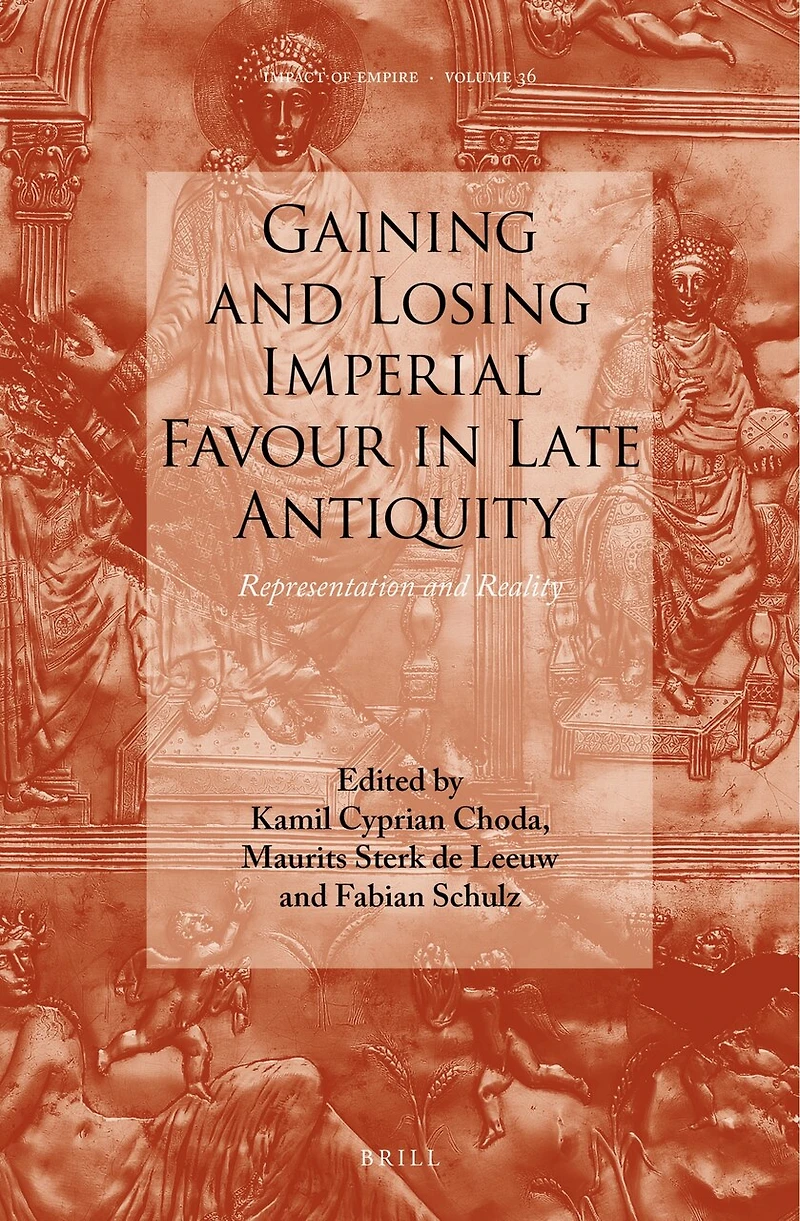
Gaining and Losing Imperial Favour in Late Antiquity: Representation and Reality in Ottawa, ON
Current price: $209.99

Gaining and Losing Imperial Favour in Late Antiquity: Representation and Reality in Ottawa, ON
Current price: $209.99
Loading Inventory...
Size: Hardcover
*Product information may vary - to confirm product availability, pricing, shipping and return information please contact Coles
The collective volume Gaining and Losing Imperial Favour in Late Antiquity: Representation and Reality , edited by Kamil Cyprian Choda, Maurits Sterk de Leeuw and Fabian Schulz, offers new insights into the political culture of the Roman Empire in the 4th and 5th centuries A.D., where the emperor’s favour was paramount. The articles examine how people gained, maintained, or lost imperial favour. The contributors approach this theme by studying processes of interpersonal influence and competition through the lens of modern sociological models. Taking into account both political reality and literary representation, this volume will have much to offer students of late-antique history and/or literature as well as those interested in the politics of pre-modern monarchical states.
The collective volume Gaining and Losing Imperial Favour in Late Antiquity: Representation and Reality , edited by Kamil Cyprian Choda, Maurits Sterk de Leeuw and Fabian Schulz, offers new insights into the political culture of the Roman Empire in the 4th and 5th centuries A.D., where the emperor’s favour was paramount. The articles examine how people gained, maintained, or lost imperial favour. The contributors approach this theme by studying processes of interpersonal influence and competition through the lens of modern sociological models. Taking into account both political reality and literary representation, this volume will have much to offer students of late-antique history and/or literature as well as those interested in the politics of pre-modern monarchical states.
You May Also Like








More About Coles at Bayshore Shopping Centre
Coles is renowned for its outstanding customer service and great selection of books. Along with the vast array of magazines, stationary, audio-books, children's literature, fiction, non-fiction and reference books, you can find accessories to make your reading experience more pleasurable. We can recommend the very best in reading today. We will help you search our titles for exactly what you need, and if we do not have it in stock, we will order it for you.
100 Bayshore Dr, Nepean, ON K2B 8C1, Canada
Find Coles at Bayshore Shopping Centre in Ottawa, ON
Visit Coles at Bayshore Shopping Centre in Ottawa, ON