

Give the Gift of Choice!
Too many options? Treat your friends and family to their favourite stores with a Bayshore Shopping Centre gift card, redeemable at participating retailers throughout the centre. Click below to purchase yours today!Purchase HereHome
Galen on Human Physiology: Taking the Body Apart and Putting it Back Together Again
Coles
Loading Inventory...
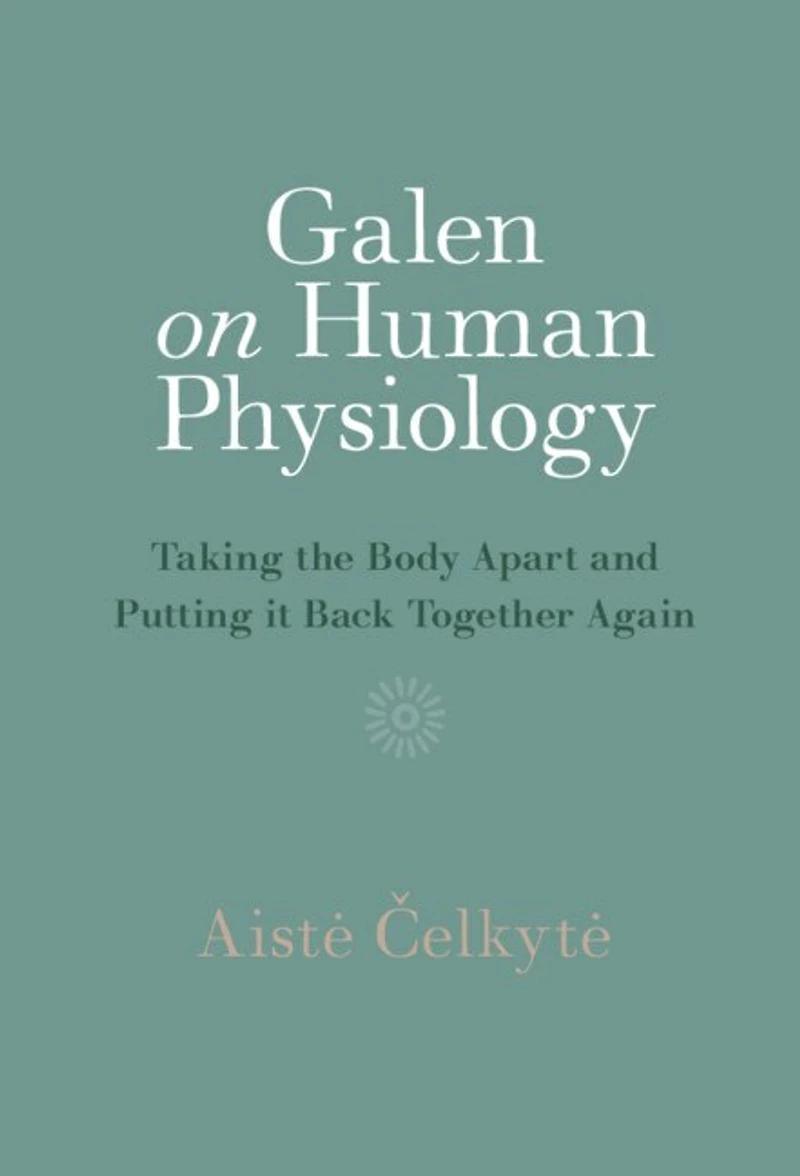
Galen on Human Physiology: Taking the Body Apart and Putting it Back Together Again in Ottawa, ON
Current price: $149.95

Galen on Human Physiology: Taking the Body Apart and Putting it Back Together Again in Ottawa, ON
Current price: $149.95
Loading Inventory...
Size: Hardcover
*Product information may vary - to confirm product availability, pricing, shipping and return information please contact Coles
Galen of Pergamum, known as 'the prince of medicine', is an important figure not only for the history of medicine but also for ancient philosophy, history of ideas and cultural history. In this book, Aistė Čelkytė explores Galenic physiology and examines how this highly influential figure theorised the unity of the multi-part, ever-moving and ever-changing human body. She approaches this question by first studying how Galen 'takes the body apart', that is, the different divisions of the body into parts that he proposes, and then how he 'puts it back together', that is, his use of philosophical tools to posit the vital unity among these parts. She then looks at Galen's theorisation of human nature, his understanding of parthood, the hierarchies between the parts that underpin vital functions, the 'mechanisms' that make the body one, and Galen's understanding of the body as a multifaceted but unified whole.
Galen of Pergamum, known as 'the prince of medicine', is an important figure not only for the history of medicine but also for ancient philosophy, history of ideas and cultural history. In this book, Aistė Čelkytė explores Galenic physiology and examines how this highly influential figure theorised the unity of the multi-part, ever-moving and ever-changing human body. She approaches this question by first studying how Galen 'takes the body apart', that is, the different divisions of the body into parts that he proposes, and then how he 'puts it back together', that is, his use of philosophical tools to posit the vital unity among these parts. She then looks at Galen's theorisation of human nature, his understanding of parthood, the hierarchies between the parts that underpin vital functions, the 'mechanisms' that make the body one, and Galen's understanding of the body as a multifaceted but unified whole.











More About Coles at Bayshore Shopping Centre
Coles is renowned for its outstanding customer service and great selection of books. Along with the vast array of magazines, stationary, audio-books, children's literature, fiction, non-fiction and reference books, you can find accessories to make your reading experience more pleasurable. We can recommend the very best in reading today. We will help you search our titles for exactly what you need, and if we do not have it in stock, we will order it for you.
100 Bayshore Dr, Nepean, ON K2B 8C1, Canada
Find Coles at Bayshore Shopping Centre in Ottawa, ON
Visit Coles at Bayshore Shopping Centre in Ottawa, ON