

Give the Gift of Choice!
Too many options? Treat your friends and family to their favourite stores with a Bayshore Shopping Centre gift card, redeemable at participating retailers throughout the centre. Click below to purchase yours today!Purchase HereHome
Game of Freedom: Mestre Bimba and the Art Capoeira
Coles
Loading Inventory...
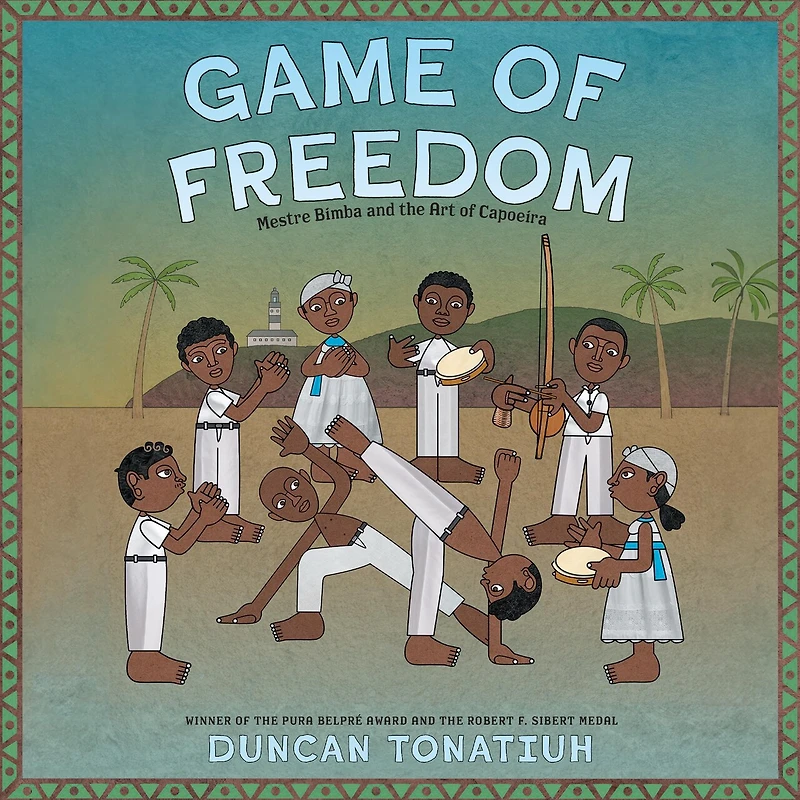
Game of Freedom: Mestre Bimba and the Art Capoeira in Ottawa, ON
Current price: $33.95

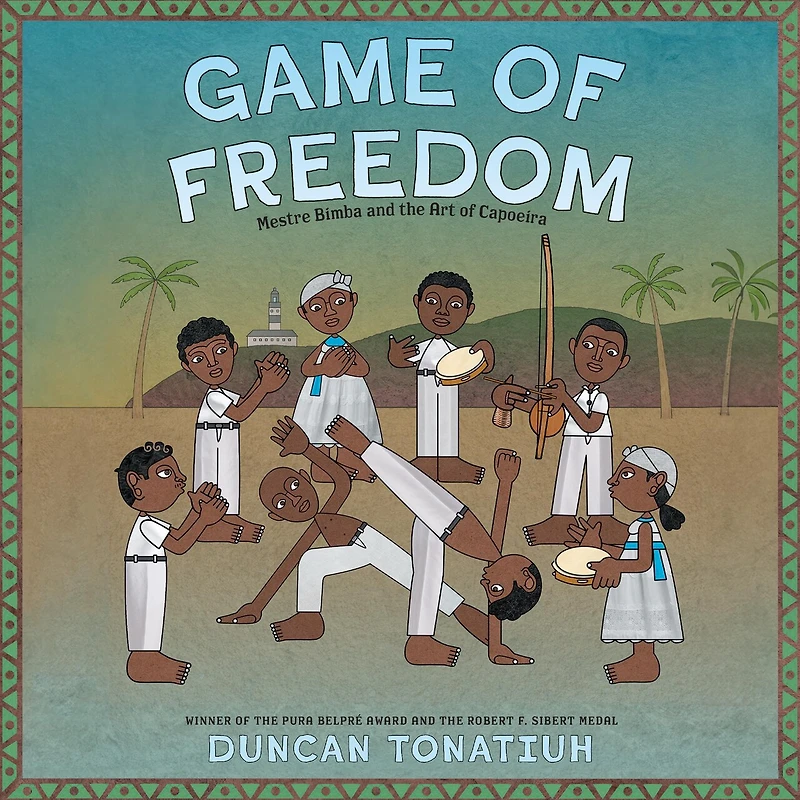
Game of Freedom: Mestre Bimba and the Art Capoeira in Ottawa, ON
Current price: $33.95
Loading Inventory...
Size: Audiobook (2023 A)
*Product information may vary - to confirm product availability, pricing, shipping and return information please contact Coles
A meia lua whooshed in the air. The strike was evaded and followed with an aú. Two young men were playing capoeira in the middle of the roda. Bimba wanted to play too. Although it is debated when and where capoeira—an art form that blends martial arts, dance, acrobatics, music, and spirituality—originated exactly, one thing is certain: in the early 20th century, Brazil was the only country in the world where capoeira was played, and it was mainly practiced by people of African descent. In 1890, two years after Brazil officially abolished slavery, the game was outlawed. Wealthy, lighter-skinned society feared and looked down on capoeira, seeing it as a game for malandros—what people in power called the poor Black communities they disdained. But in the early 1920s in the city of Salvador, a man called Bimba would advocate for capoeira, and those who practiced it, to be treated with dignity and the respect it deserved. Inspired by pre-Columbian codices, Duncan Tonatiuh tells the story of arguably the greatest capoeirista of all time, who fought to turn a misunderstood, persecuted Afro-Brazilian activity into a celebrated art practiced by millions around the world.
A meia lua whooshed in the air. The strike was evaded and followed with an aú. Two young men were playing capoeira in the middle of the roda. Bimba wanted to play too. Although it is debated when and where capoeira—an art form that blends martial arts, dance, acrobatics, music, and spirituality—originated exactly, one thing is certain: in the early 20th century, Brazil was the only country in the world where capoeira was played, and it was mainly practiced by people of African descent. In 1890, two years after Brazil officially abolished slavery, the game was outlawed. Wealthy, lighter-skinned society feared and looked down on capoeira, seeing it as a game for malandros—what people in power called the poor Black communities they disdained. But in the early 1920s in the city of Salvador, a man called Bimba would advocate for capoeira, and those who practiced it, to be treated with dignity and the respect it deserved. Inspired by pre-Columbian codices, Duncan Tonatiuh tells the story of arguably the greatest capoeirista of all time, who fought to turn a misunderstood, persecuted Afro-Brazilian activity into a celebrated art practiced by millions around the world.
You May Also Like







More About Coles at Bayshore Shopping Centre
Coles is renowned for its outstanding customer service and great selection of books. Along with the vast array of magazines, stationary, audio-books, children's literature, fiction, non-fiction and reference books, you can find accessories to make your reading experience more pleasurable. We can recommend the very best in reading today. We will help you search our titles for exactly what you need, and if we do not have it in stock, we will order it for you.
100 Bayshore Dr, Nepean, ON K2B 8C1, Canada
Find Coles at Bayshore Shopping Centre in Ottawa, ON
Visit Coles at Bayshore Shopping Centre in Ottawa, ON