

Give the Gift of Choice!
Too many options? Treat your friends and family to their favourite stores with a Bayshore Shopping Centre gift card, redeemable at participating retailers throughout the centre. Click below to purchase yours today!Purchase HereHome
Gardens Northern Iberia the Early Middle Ages: Practice, Product, and Sale
Coles
Loading Inventory...
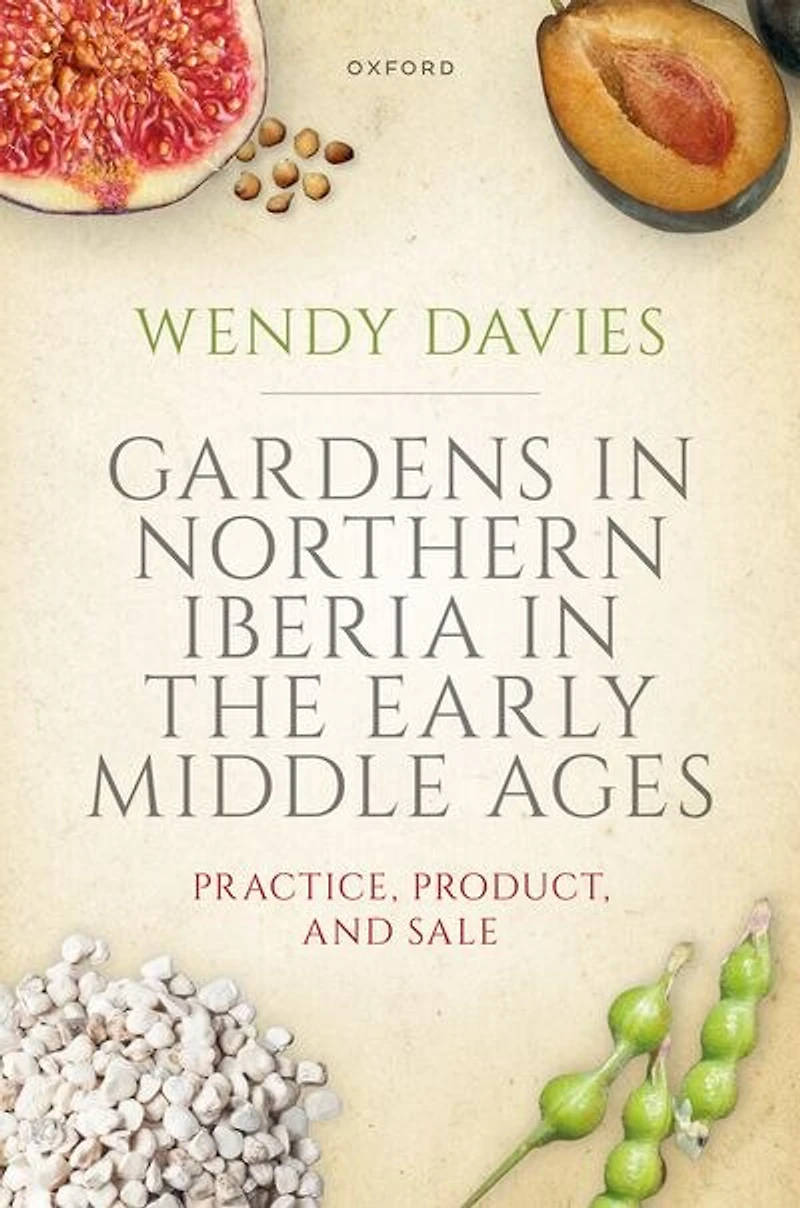
Gardens Northern Iberia the Early Middle Ages: Practice, Product, and Sale in Ottawa, ON
Current price: $220.00

Gardens Northern Iberia the Early Middle Ages: Practice, Product, and Sale in Ottawa, ON
Current price: $220.00
Loading Inventory...
Size: Hardcover
*Product information may vary - to confirm product availability, pricing, shipping and return information please contact Coles
Using archaeological, archaeobotanical, and written evidence, this book explores what gardens meant in northern Spain and northern Portugal in the early middle ages - a question asked here for the first time. Dealing with a vast area of the Iberian peninsula that lay beyond Muslim al-Andalus, with great geographical diversity and wide variation in climate, this books spans the sixth to tenth centuries, showing that gardens might lie beside houses or scattered among arable fields or grouped together in garden zones. Gardens are difficult to recognize archaeologically but excavation suggests that many were terraces, as it also suggests that indicators of intensive use - through fertilization or irrigation or characteristic weed species - may be more useful for identifying garden activity than looking for a distinctive shape. The strongest indications of garden produce are that fruit was always important and so were legumes; and some gardens, especially those owned by monasteries, may have grown herbs. The most striking trend across the tenth century is that peasants sold gardens to monasteries, although there are regional differences, Catalonia having a more diverse land market. Peasants sold in order to get food and monasteries bought partly to provide garden produce, including herbs, for expanding communities but partly to use and increase garden space for textile plants--flax, hemp, and dye plants--for commercial reasons, especially urban supply. Gardens were vital for the supply of clothes. By scrutinising the logistics of small- and medium-scale ownership, the relations of owners with large-scale land-holders, especially institutions, and the ins-and-outs of those economic and social interactions, this wide-ranging book adds a new dimension to the environmental history of western Europe, in addition to contributing to an understanding of the social, economic, and cultural history of the period more generally.
Using archaeological, archaeobotanical, and written evidence, this book explores what gardens meant in northern Spain and northern Portugal in the early middle ages - a question asked here for the first time. Dealing with a vast area of the Iberian peninsula that lay beyond Muslim al-Andalus, with great geographical diversity and wide variation in climate, this books spans the sixth to tenth centuries, showing that gardens might lie beside houses or scattered among arable fields or grouped together in garden zones. Gardens are difficult to recognize archaeologically but excavation suggests that many were terraces, as it also suggests that indicators of intensive use - through fertilization or irrigation or characteristic weed species - may be more useful for identifying garden activity than looking for a distinctive shape. The strongest indications of garden produce are that fruit was always important and so were legumes; and some gardens, especially those owned by monasteries, may have grown herbs. The most striking trend across the tenth century is that peasants sold gardens to monasteries, although there are regional differences, Catalonia having a more diverse land market. Peasants sold in order to get food and monasteries bought partly to provide garden produce, including herbs, for expanding communities but partly to use and increase garden space for textile plants--flax, hemp, and dye plants--for commercial reasons, especially urban supply. Gardens were vital for the supply of clothes. By scrutinising the logistics of small- and medium-scale ownership, the relations of owners with large-scale land-holders, especially institutions, and the ins-and-outs of those economic and social interactions, this wide-ranging book adds a new dimension to the environmental history of western Europe, in addition to contributing to an understanding of the social, economic, and cultural history of the period more generally.
You May Also Like


Loading Inventory...
Loading Inventory...
Coles
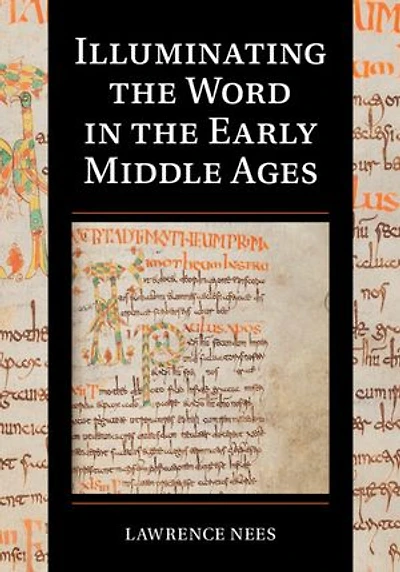
Europe in the Middle Age
Current price: $41.70
From Coles

Loading Inventory...
Loading Inventory...
Coles
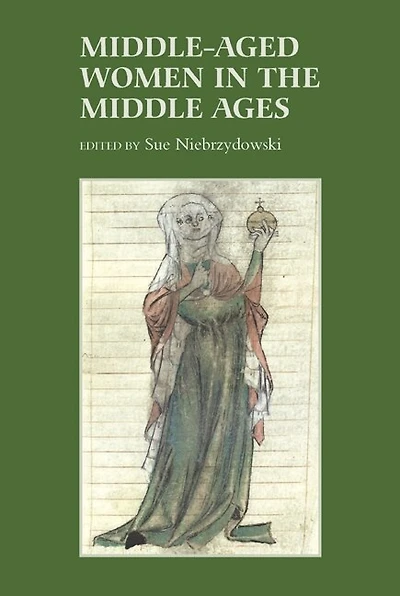
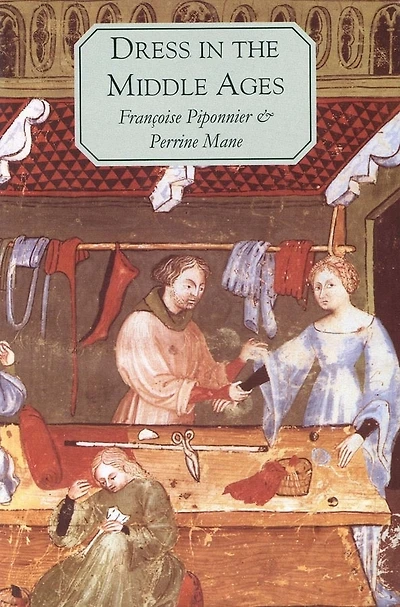
Dress in the Middle Ages
Current price: $37.04
From Coles










More About Coles at Bayshore Shopping Centre
Coles is renowned for its outstanding customer service and great selection of books. Along with the vast array of magazines, stationary, audio-books, children's literature, fiction, non-fiction and reference books, you can find accessories to make your reading experience more pleasurable. We can recommend the very best in reading today. We will help you search our titles for exactly what you need, and if we do not have it in stock, we will order it for you.
100 Bayshore Dr, Nepean, ON K2B 8C1, Canada
Find Coles at Bayshore Shopping Centre in Ottawa, ON
Visit Coles at Bayshore Shopping Centre in Ottawa, ON