

Give the Gift of Choice!
Too many options? Treat your friends and family to their favourite stores with a Bayshore Shopping Centre gift card, redeemable at participating retailers throughout the centre. Click below to purchase yours today!Purchase HereHome
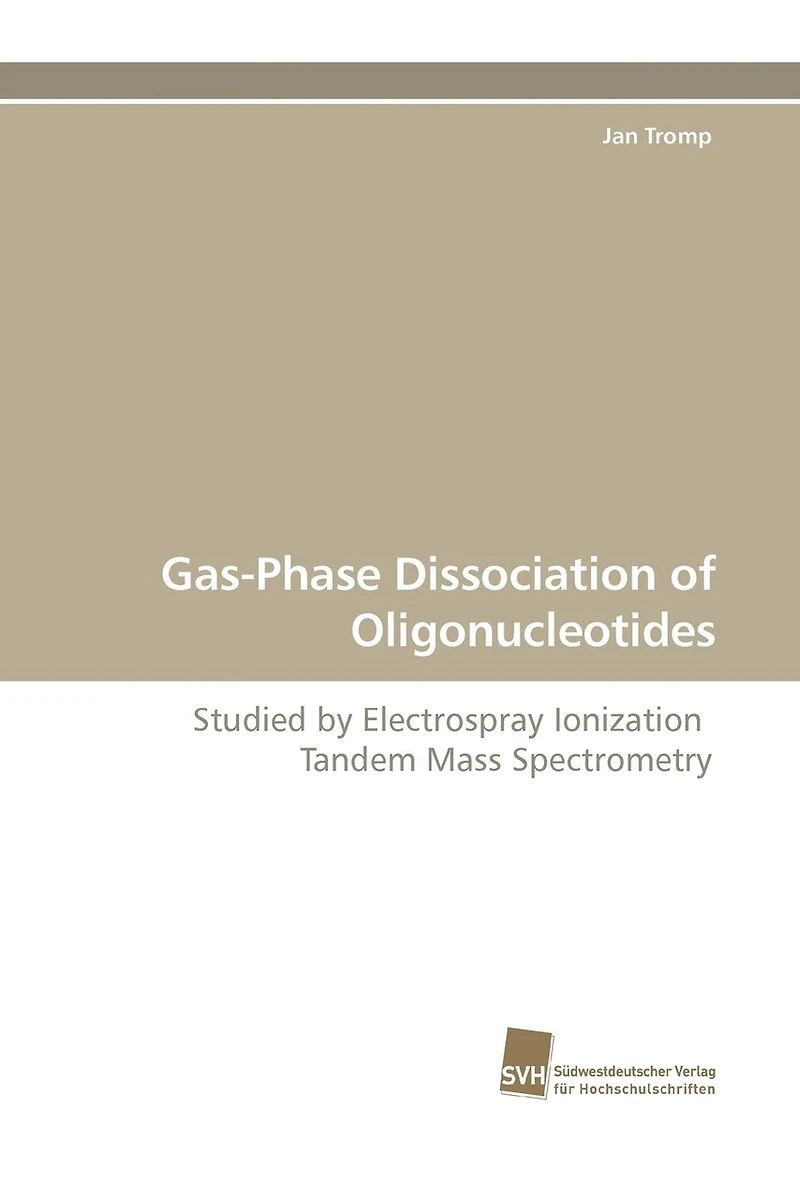
Gas-Phase Dissociation of Oligonucleotides
Coles
Loading Inventory...
Gas-Phase Dissociation of Oligonucleotides in Ottawa, ON
Current price: $90.00

Gas-Phase Dissociation of Oligonucleotides in Ottawa, ON
Current price: $90.00
Loading Inventory...
Size: Paperback
*Product information may vary - to confirm product availability, pricing, shipping and return information please contact Coles
Oligonucleotides have great potential in diagnostic and therapeutic applications. Their high specificity offers promise for the development of new drugs for protein induced diseases. Several modifications were introduced in oligonucleotides to improve nuclease resistance, binding affinity and specificity. The various unnatural oligonucleotides are not compatible with the classical sequencing techniques. Therefore, new methods for fast and unambiguous sequence verification are needed. Mass spectrometry has the potential to achieve these requirements.However, mechanistic aspects of oligonucleotide dissociation have to be clarified first. In this work unmodified DNA, RNA and several ribose or base modified oligonucleotides were analyzed to elucidate the gas-phase dissociation mechanism. Experiments with 2'-modified oligonucleotides were performed to investigate the reasons for the different gas-phase fragmentation behavior of DNA and RNA. Oligonucleotides with C-glycosidic bound biphenyl substituents were analyzed to study the influence of the nucleobase in gas-phase dissociation. A mechanism for RNA gas-phase dissociation, in accordance with all experimental data, is presented.
Oligonucleotides have great potential in diagnostic and therapeutic applications. Their high specificity offers promise for the development of new drugs for protein induced diseases. Several modifications were introduced in oligonucleotides to improve nuclease resistance, binding affinity and specificity. The various unnatural oligonucleotides are not compatible with the classical sequencing techniques. Therefore, new methods for fast and unambiguous sequence verification are needed. Mass spectrometry has the potential to achieve these requirements.However, mechanistic aspects of oligonucleotide dissociation have to be clarified first. In this work unmodified DNA, RNA and several ribose or base modified oligonucleotides were analyzed to elucidate the gas-phase dissociation mechanism. Experiments with 2'-modified oligonucleotides were performed to investigate the reasons for the different gas-phase fragmentation behavior of DNA and RNA. Oligonucleotides with C-glycosidic bound biphenyl substituents were analyzed to study the influence of the nucleobase in gas-phase dissociation. A mechanism for RNA gas-phase dissociation, in accordance with all experimental data, is presented.
You May Also Like















More About Coles at Bayshore Shopping Centre
Coles is renowned for its outstanding customer service and great selection of books. Along with the vast array of magazines, stationary, audio-books, children's literature, fiction, non-fiction and reference books, you can find accessories to make your reading experience more pleasurable. We can recommend the very best in reading today. We will help you search our titles for exactly what you need, and if we do not have it in stock, we will order it for you.
100 Bayshore Dr, Nepean, ON K2B 8C1, Canada
Find Coles at Bayshore Shopping Centre in Ottawa, ON
Visit Coles at Bayshore Shopping Centre in Ottawa, ON