

Give the Gift of Choice!
Too many options? Treat your friends and family to their favourite stores with a Bayshore Shopping Centre gift card, redeemable at participating retailers throughout the centre. Click below to purchase yours today!Purchase HereHome
Gender Physical Culture: Crossing Boundaries - Reconstituting Cultures
Coles
Loading Inventory...

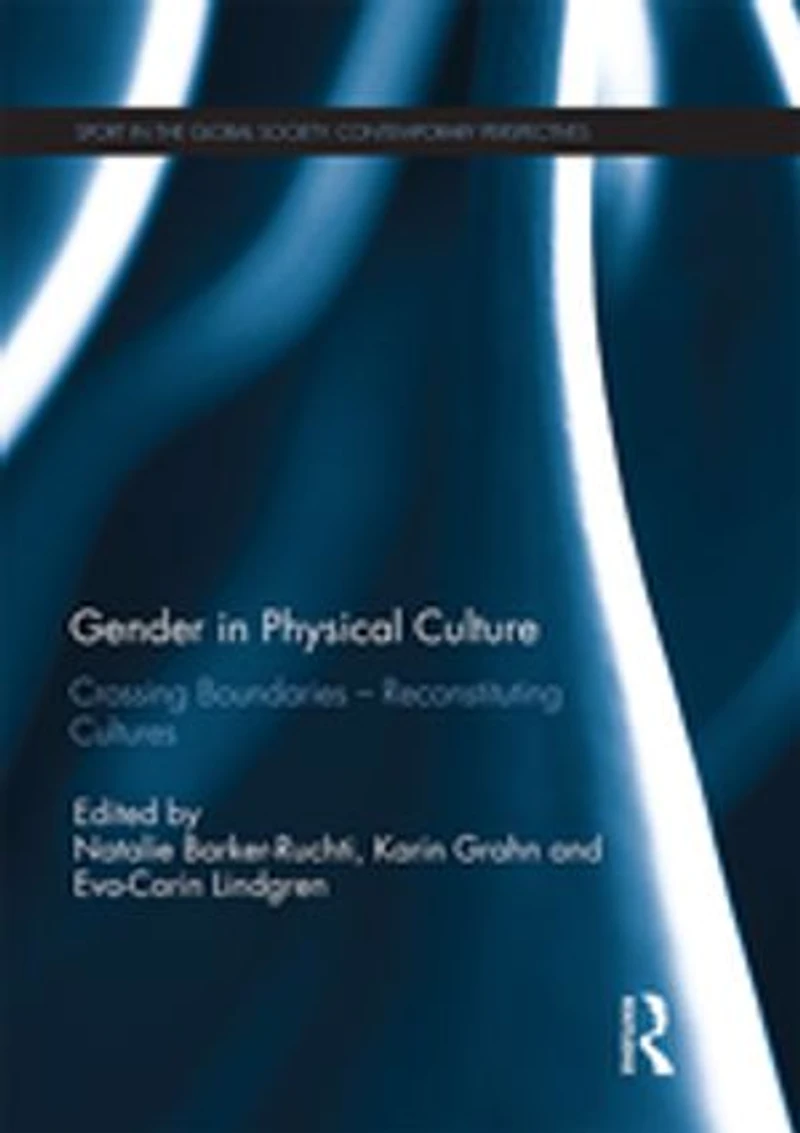

Gender Physical Culture: Crossing Boundaries - Reconstituting Cultures in Ottawa, ON
Current price: $187.95

Gender Physical Culture: Crossing Boundaries - Reconstituting Cultures in Ottawa, ON
Current price: $187.95
Loading Inventory...
Size: Hardcover
*Product information may vary - to confirm product availability, pricing, shipping and return information please contact Coles
This volume outlines existing research relating to gender in physical culture. The introductory chapter employs Lamont and Molnàr's (2002) idea of 'boundaries' as visible and invisible socially constructed borders that create social differences, as the theoretical framework for the book. Seven empirically-driven case studies follow which, on the one hand, demonstrate how boundary 'work' has taken and is taking place at the level of media, institutions, communities and individuals; and on the other hand, show how individuals, groups of individuals and organisations challenge and change dominant gender discourses and practices. The wide variety of rich case materials reveal how gender ideals not only normalize, but are actively and purposefully negotiated and transformed to create individualised and inclusive physical culture contexts. The final chapter explores how the book builds on and extends existing gender and physical culture research. This book was originally published as a special issue of the journal Sport in Society .
This volume outlines existing research relating to gender in physical culture. The introductory chapter employs Lamont and Molnàr's (2002) idea of 'boundaries' as visible and invisible socially constructed borders that create social differences, as the theoretical framework for the book. Seven empirically-driven case studies follow which, on the one hand, demonstrate how boundary 'work' has taken and is taking place at the level of media, institutions, communities and individuals; and on the other hand, show how individuals, groups of individuals and organisations challenge and change dominant gender discourses and practices. The wide variety of rich case materials reveal how gender ideals not only normalize, but are actively and purposefully negotiated and transformed to create individualised and inclusive physical culture contexts. The final chapter explores how the book builds on and extends existing gender and physical culture research. This book was originally published as a special issue of the journal Sport in Society .
You May Also Like















More About Coles at Bayshore Shopping Centre
Coles is renowned for its outstanding customer service and great selection of books. Along with the vast array of magazines, stationary, audio-books, children's literature, fiction, non-fiction and reference books, you can find accessories to make your reading experience more pleasurable. We can recommend the very best in reading today. We will help you search our titles for exactly what you need, and if we do not have it in stock, we will order it for you.
100 Bayshore Dr, Nepean, ON K2B 8C1, Canada
Find Coles at Bayshore Shopping Centre in Ottawa, ON
Visit Coles at Bayshore Shopping Centre in Ottawa, ON