

Give the Gift of Choice!
Too many options? Treat your friends and family to their favourite stores with a Bayshore Shopping Centre gift card, redeemable at participating retailers throughout the centre. Click below to purchase yours today!Purchase HereHome
Gender Securitization Theory: A feminist analysis of smuggling and trafficking governance the EU
Coles
Loading Inventory...
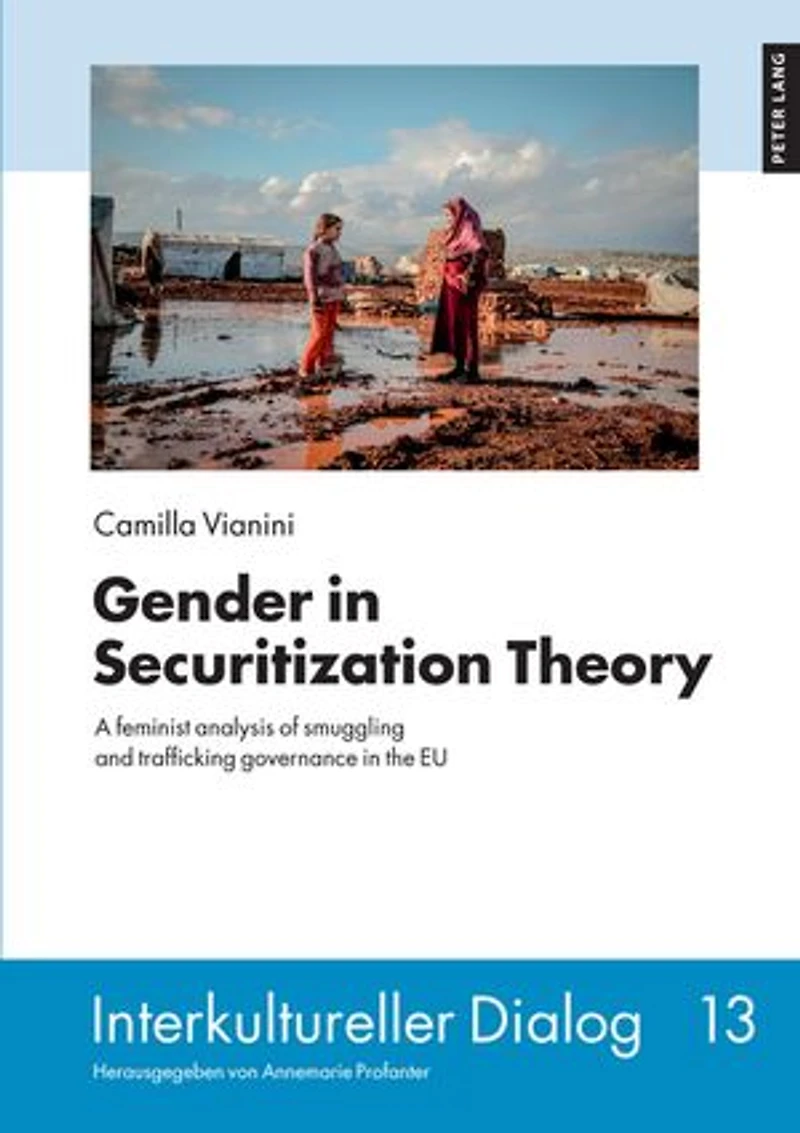
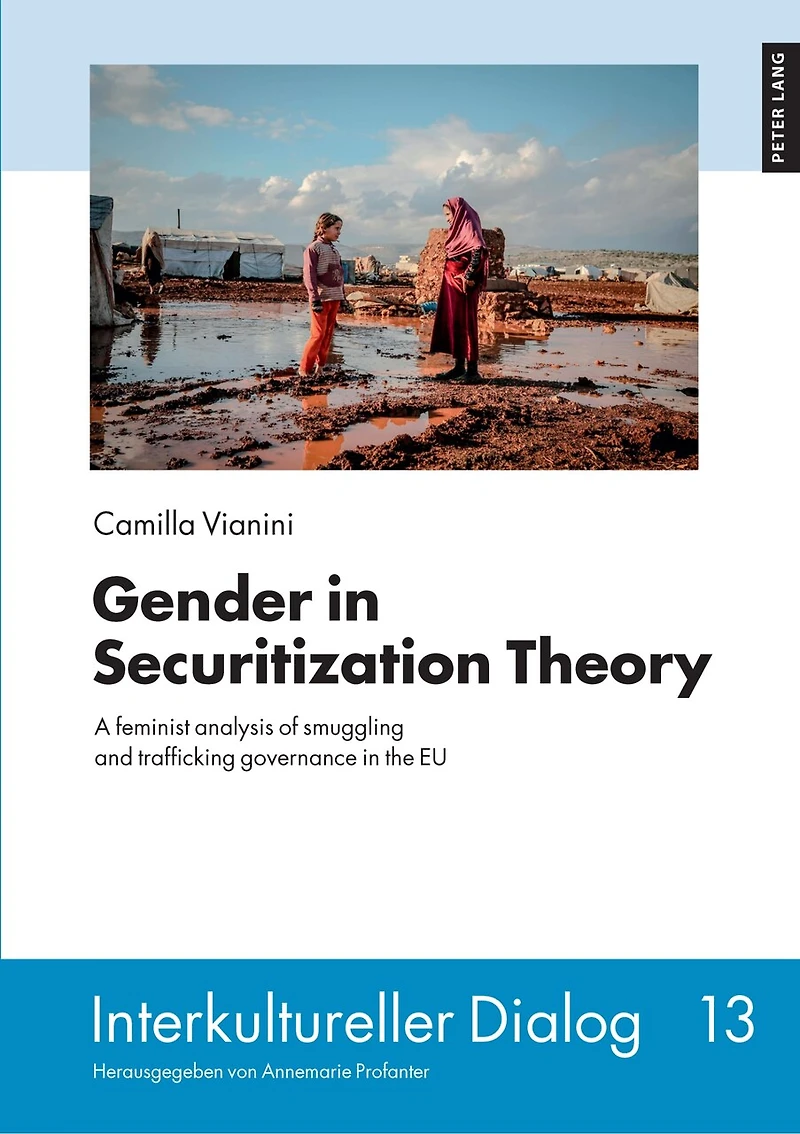
Gender Securitization Theory: A feminist analysis of smuggling and trafficking governance the EU in Ottawa, ON
Current price: $36.89
Original price: $46.08

Gender Securitization Theory: A feminist analysis of smuggling and trafficking governance the EU in Ottawa, ON
Current price: $36.89
Original price: $46.08
Loading Inventory...
Size: Kobo eBook
*Product information may vary - to confirm product availability, pricing, shipping and return information please contact Coles
The securitization of migration in the EU is a popular subject in international security studies. However, securitization theory has long been criticized for being gender blind. To overcome this limitation, the thesis connects the Copenhagen School’s framework to the study of the "gendering" of migration by addressing the knowledge gap of how gender can be integrated into securitization theory. The aim is to identify how gender constructions contribute to the framing of the referent object and the existential threat in the securitizing moves by the EU. An adapted conceptual framework on securitization, gender, and migration is applied to the EU migration management architecture. Employing the qualitative feminist methodology of Critical Frame Analysis, the book explores how the securitization of smuggling and trafficking is rooted in gendered constructions of vulnerability and threat based on stereotypes of femininity and masculinity.
The securitization of migration in the EU is a popular subject in international security studies. However, securitization theory has long been criticized for being gender blind. To overcome this limitation, the thesis connects the Copenhagen School’s framework to the study of the "gendering" of migration by addressing the knowledge gap of how gender can be integrated into securitization theory. The aim is to identify how gender constructions contribute to the framing of the referent object and the existential threat in the securitizing moves by the EU. An adapted conceptual framework on securitization, gender, and migration is applied to the EU migration management architecture. Employing the qualitative feminist methodology of Critical Frame Analysis, the book explores how the securitization of smuggling and trafficking is rooted in gendered constructions of vulnerability and threat based on stereotypes of femininity and masculinity.
You May Also Like











More About Coles at Bayshore Shopping Centre
Coles is renowned for its outstanding customer service and great selection of books. Along with the vast array of magazines, stationary, audio-books, children's literature, fiction, non-fiction and reference books, you can find accessories to make your reading experience more pleasurable. We can recommend the very best in reading today. We will help you search our titles for exactly what you need, and if we do not have it in stock, we will order it for you.
100 Bayshore Dr, Nepean, ON K2B 8C1, Canada
Find Coles at Bayshore Shopping Centre in Ottawa, ON
Visit Coles at Bayshore Shopping Centre in Ottawa, ON