

Give the Gift of Choice!
Too many options? Treat your friends and family to their favourite stores with a Bayshore Shopping Centre gift card, redeemable at participating retailers throughout the centre. Click below to purchase yours today!Purchase HereHome
Germany's Belt and Road Bargain: The Effects of Corporate Preferences on Response to China's Politics Infrastructure Investments (2013 - 2021)
Coles
Loading Inventory...
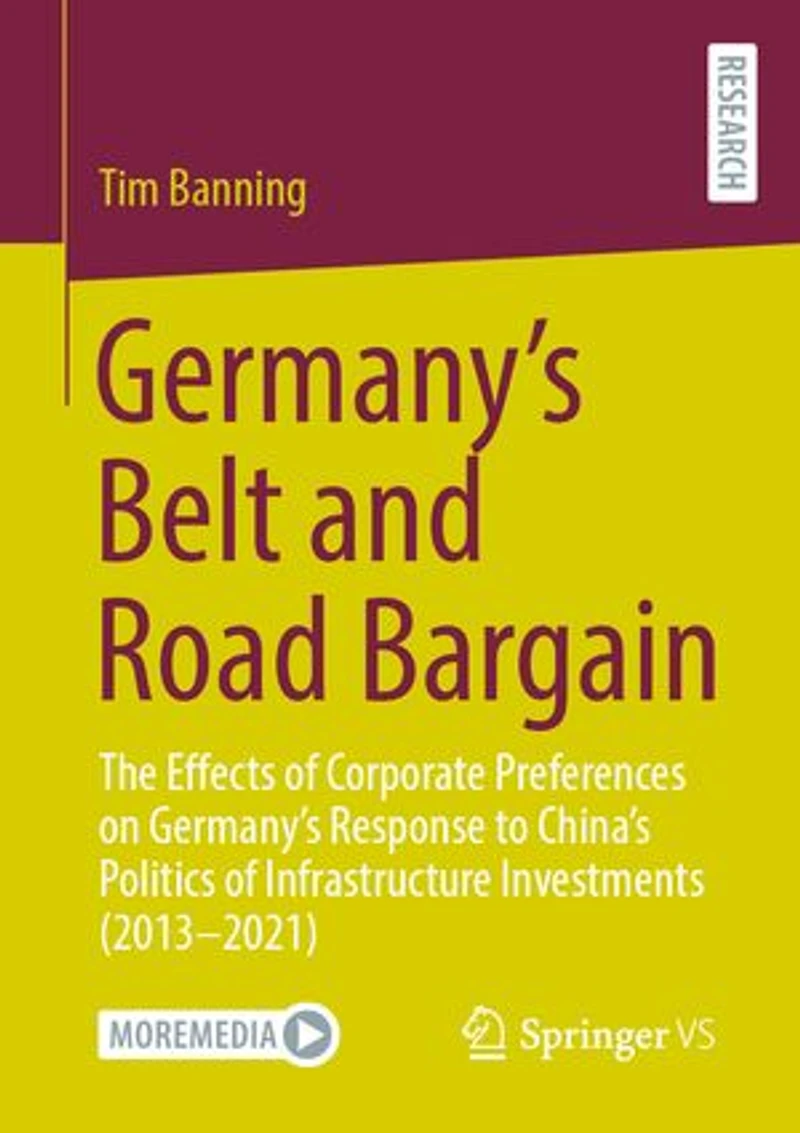
Germany's Belt and Road Bargain: The Effects of Corporate Preferences on Response to China's Politics Infrastructure Investments (2013 - 2021) in Ottawa, ON
Current price: $167.79
Original price: $209.63

Germany's Belt and Road Bargain: The Effects of Corporate Preferences on Response to China's Politics Infrastructure Investments (2013 - 2021) in Ottawa, ON
Current price: $167.79
Original price: $209.63
Loading Inventory...
Size: Kobo eBook
*Product information may vary - to confirm product availability, pricing, shipping and return information please contact Coles
In recent years, the Belt and Road Initiative (BRI) has not only transformed global trade relations but also tested Germany's political strategies. This book explores the German Federal Government's ambivalent response to China's politics of infrastructure investments under the BRI during Angela Merkel's tenure as Chancellor, raising crucial questions about Germany's bilateral relations with China, its economic ambition, and its geopolitical responsibility. This book provides a detailed account of the key political processes and decision points that influenced the Federal Government's stance towards China's politics of infrastructure investments. Through its analysis of the interactions between domestic politics and international relations, it aims to offer a nuanced understanding of the complex dynamics between the state and business. It examines how the varying interests of numerous industry sectors impacted the Federal Government's response to China's politics of infrastructure investments across multiple policy domains, covering Germany's policy on foreign investments and foreign trade, its industrial policy, its broader foreign policy, and its role in European politics.
In recent years, the Belt and Road Initiative (BRI) has not only transformed global trade relations but also tested Germany's political strategies. This book explores the German Federal Government's ambivalent response to China's politics of infrastructure investments under the BRI during Angela Merkel's tenure as Chancellor, raising crucial questions about Germany's bilateral relations with China, its economic ambition, and its geopolitical responsibility. This book provides a detailed account of the key political processes and decision points that influenced the Federal Government's stance towards China's politics of infrastructure investments. Through its analysis of the interactions between domestic politics and international relations, it aims to offer a nuanced understanding of the complex dynamics between the state and business. It examines how the varying interests of numerous industry sectors impacted the Federal Government's response to China's politics of infrastructure investments across multiple policy domains, covering Germany's policy on foreign investments and foreign trade, its industrial policy, its broader foreign policy, and its role in European politics.
You May Also Like













More About Coles at Bayshore Shopping Centre
Coles is renowned for its outstanding customer service and great selection of books. Along with the vast array of magazines, stationary, audio-books, children's literature, fiction, non-fiction and reference books, you can find accessories to make your reading experience more pleasurable. We can recommend the very best in reading today. We will help you search our titles for exactly what you need, and if we do not have it in stock, we will order it for you.
100 Bayshore Dr, Nepean, ON K2B 8C1, Canada
Find Coles at Bayshore Shopping Centre in Ottawa, ON
Visit Coles at Bayshore Shopping Centre in Ottawa, ON