

Give the Gift of Choice!
Too many options? Treat your friends and family to their favourite stores with a Bayshore Shopping Centre gift card, redeemable at participating retailers throughout the centre. Click below to purchase yours today!Purchase HereHome
Gettysburg 1963: Civil Rights, Cold War Politics, And Historical Memory America's Most Famous Small Town
Coles
Loading Inventory...
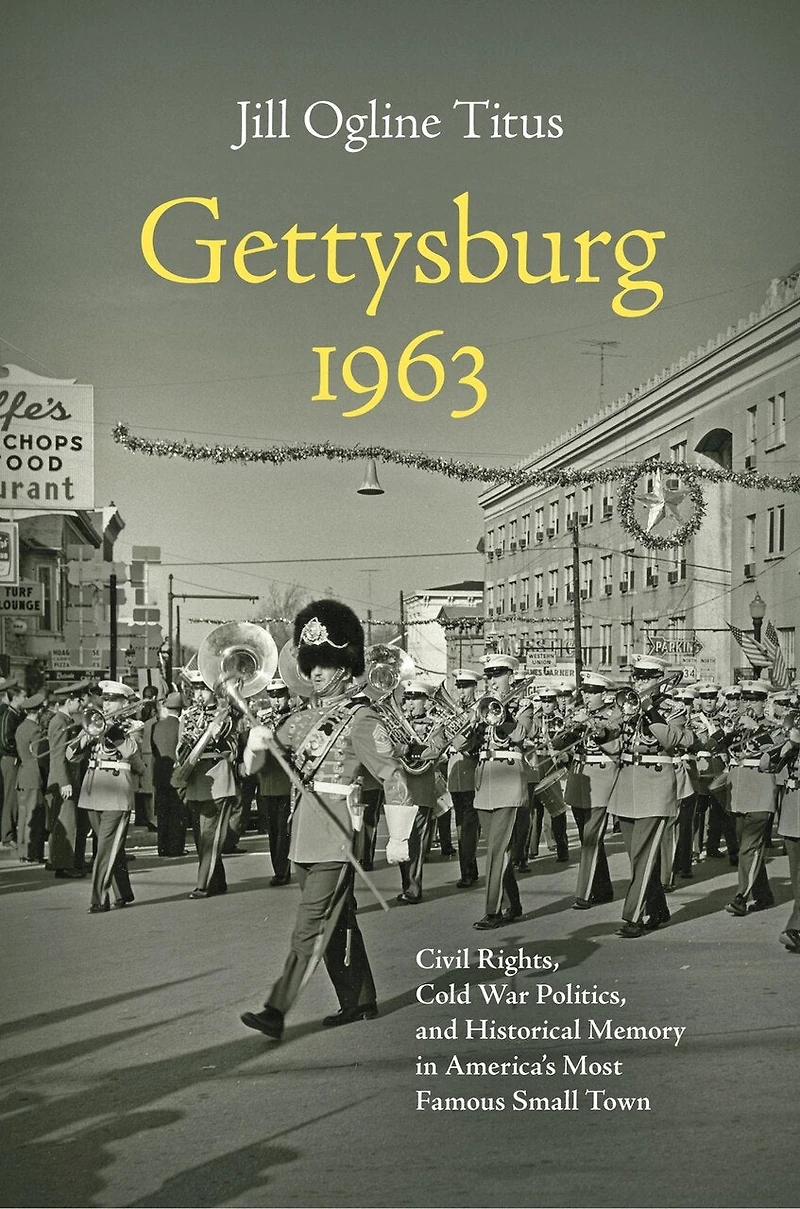
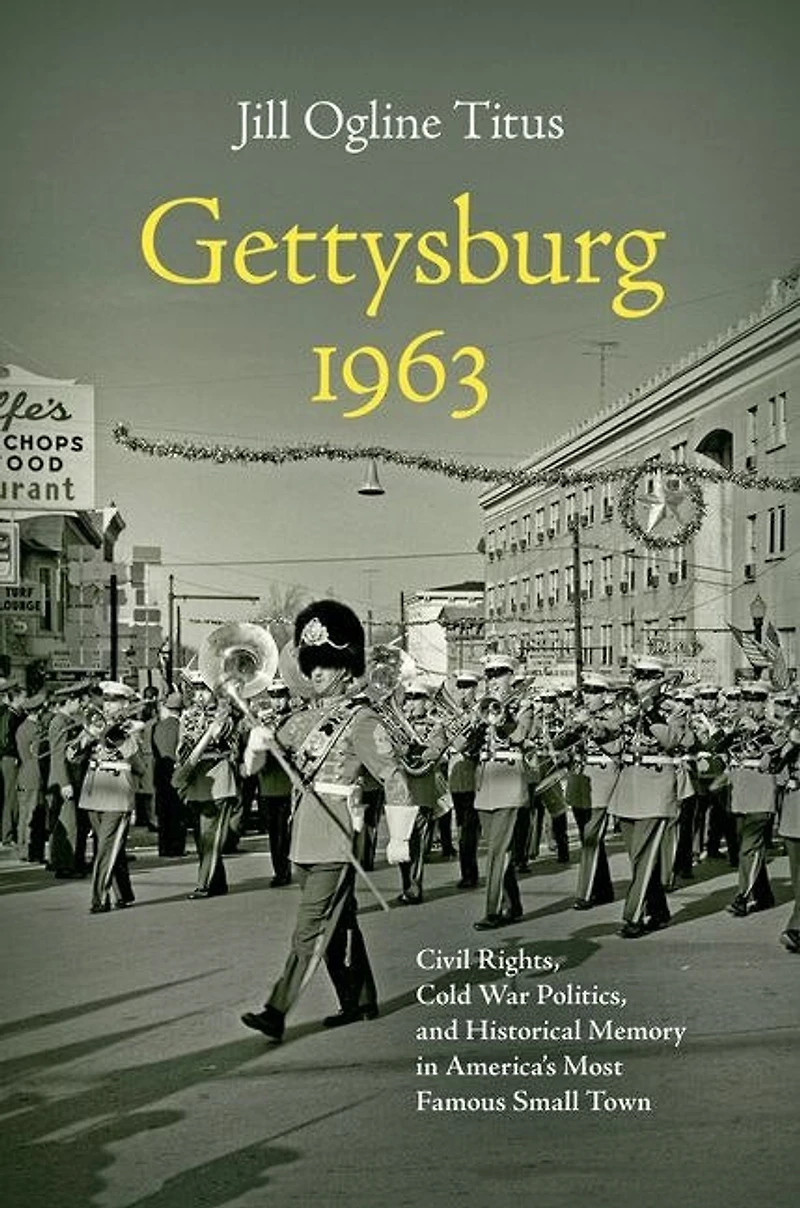
Gettysburg 1963: Civil Rights, Cold War Politics, And Historical Memory America's Most Famous Small Town in Ottawa, ON
Current price: $133.95

Gettysburg 1963: Civil Rights, Cold War Politics, And Historical Memory America's Most Famous Small Town in Ottawa, ON
Current price: $133.95
Loading Inventory...
Size: Hardcover
*Product information may vary - to confirm product availability, pricing, shipping and return information please contact Coles
The year 1963 was unforgettable for Americans. In the midst of intense Cold War turmoil and the escalating struggle for Black freedom, the United States also engaged in a nationwide commemoration of the 100th anniversary of the Civil War. Commemorative events centered on Gettysburg, site of the best-known, bloodiest, and most symbolically charged battle of the conflict. Inevitably, the centennial of Lincoln’s iconic Gettysburg Address received special focus, pressed into service to help the nation understand its present and define its future — a future that would ironically include another tragic event days later with the assassination of another American president.
In this fascinating work, Jill Ogline Titus uses centennial events in Gettysburg to examine the history of political, social, and community change in 1960s America. Examining the experiences of political leaders, civil rights activists, preservation-minded Civil War enthusiasts, and local residents, Titus shows how the era’s deep divisions thrust Gettysburg into the national spotlight and ensured that white and Black Americans would define the meaning of the battle, the address, and the war in dramatically different ways.
The year 1963 was unforgettable for Americans. In the midst of intense Cold War turmoil and the escalating struggle for Black freedom, the United States also engaged in a nationwide commemoration of the 100th anniversary of the Civil War. Commemorative events centered on Gettysburg, site of the best-known, bloodiest, and most symbolically charged battle of the conflict. Inevitably, the centennial of Lincoln’s iconic Gettysburg Address received special focus, pressed into service to help the nation understand its present and define its future — a future that would ironically include another tragic event days later with the assassination of another American president.
In this fascinating work, Jill Ogline Titus uses centennial events in Gettysburg to examine the history of political, social, and community change in 1960s America. Examining the experiences of political leaders, civil rights activists, preservation-minded Civil War enthusiasts, and local residents, Titus shows how the era’s deep divisions thrust Gettysburg into the national spotlight and ensured that white and Black Americans would define the meaning of the battle, the address, and the war in dramatically different ways.
You May Also Like












More About Coles at Bayshore Shopping Centre
Coles is renowned for its outstanding customer service and great selection of books. Along with the vast array of magazines, stationary, audio-books, children's literature, fiction, non-fiction and reference books, you can find accessories to make your reading experience more pleasurable. We can recommend the very best in reading today. We will help you search our titles for exactly what you need, and if we do not have it in stock, we will order it for you.
100 Bayshore Dr, Nepean, ON K2B 8C1, Canada
Find Coles at Bayshore Shopping Centre in Ottawa, ON
Visit Coles at Bayshore Shopping Centre in Ottawa, ON