

Give the Gift of Choice!
Too many options? Treat your friends and family to their favourite stores with a Bayshore Shopping Centre gift card, redeemable at participating retailers throughout the centre. Click below to purchase yours today!Purchase HereHome
Ghosts of International Law: The Figure of the Foreign Fighter in a Cultural Perspective
Coles
Loading Inventory...
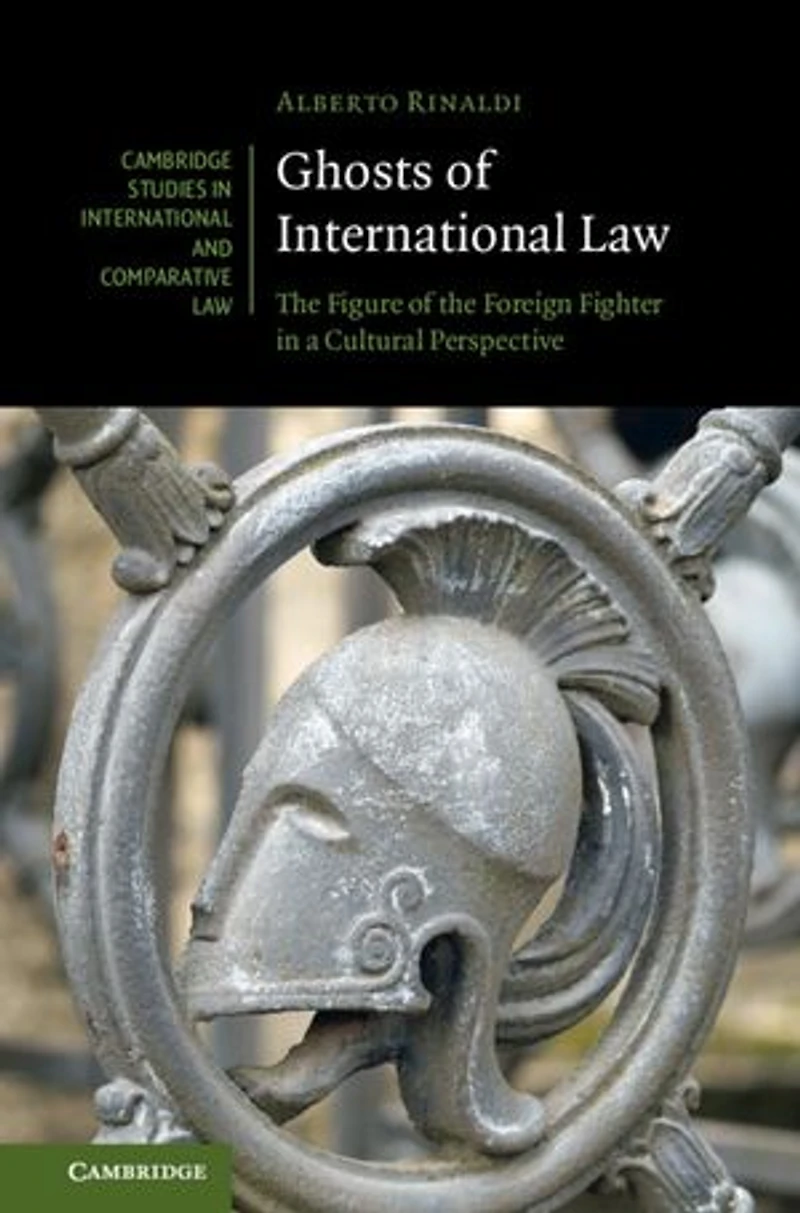
Ghosts of International Law: The Figure of the Foreign Fighter in a Cultural Perspective in Ottawa, ON
Current price: $119.99
Original price: $149.95

Ghosts of International Law: The Figure of the Foreign Fighter in a Cultural Perspective in Ottawa, ON
Current price: $119.99
Original price: $149.95
Loading Inventory...
Size: Kobo eBook
*Product information may vary - to confirm product availability, pricing, shipping and return information please contact Coles
Heroes and villains, idealists and mercenaries, freedom fighters and religious fanatics. Foreign fighters tend to defy easy classification. Good and bad images of the foreign combatant epitomize different conceptions of freedom and are used to characterize the rightness or wrongness of this actor in civil wars. The book traces the history of these figures and their afterlife. It does so through an interdisciplinary methodology employing law, history, and psychoanalytical theory, showing how different images of the foreign combatant are utilized to proscribe or endorse foreign fighters in different historical moments. By linking the Spanish, Angolan, and Syrian civil wars, the book demonstrates how these figures function as a precedent for later periods and how their heritage keeps haunting the imaginary of legal actors in the present.
Heroes and villains, idealists and mercenaries, freedom fighters and religious fanatics. Foreign fighters tend to defy easy classification. Good and bad images of the foreign combatant epitomize different conceptions of freedom and are used to characterize the rightness or wrongness of this actor in civil wars. The book traces the history of these figures and their afterlife. It does so through an interdisciplinary methodology employing law, history, and psychoanalytical theory, showing how different images of the foreign combatant are utilized to proscribe or endorse foreign fighters in different historical moments. By linking the Spanish, Angolan, and Syrian civil wars, the book demonstrates how these figures function as a precedent for later periods and how their heritage keeps haunting the imaginary of legal actors in the present.
You May Also Like








More About Coles at Bayshore Shopping Centre
Coles is renowned for its outstanding customer service and great selection of books. Along with the vast array of magazines, stationary, audio-books, children's literature, fiction, non-fiction and reference books, you can find accessories to make your reading experience more pleasurable. We can recommend the very best in reading today. We will help you search our titles for exactly what you need, and if we do not have it in stock, we will order it for you.
100 Bayshore Dr, Nepean, ON K2B 8C1, Canada
Find Coles at Bayshore Shopping Centre in Ottawa, ON
Visit Coles at Bayshore Shopping Centre in Ottawa, ON